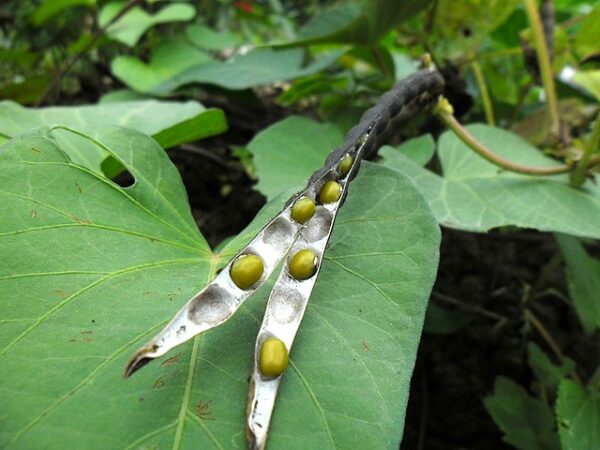
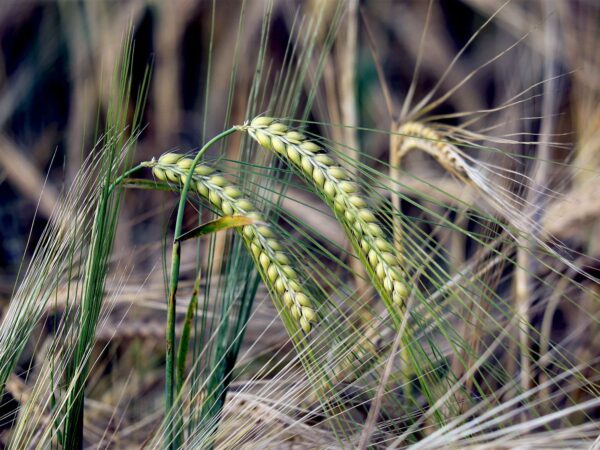
Agricultural system is the major source of greenhouse gas nitrous oxide (N2O) emissions. Application of polymer-coated urea and urease and/or nitrification inhibitor has the potential in reducing soil N2O emissions.
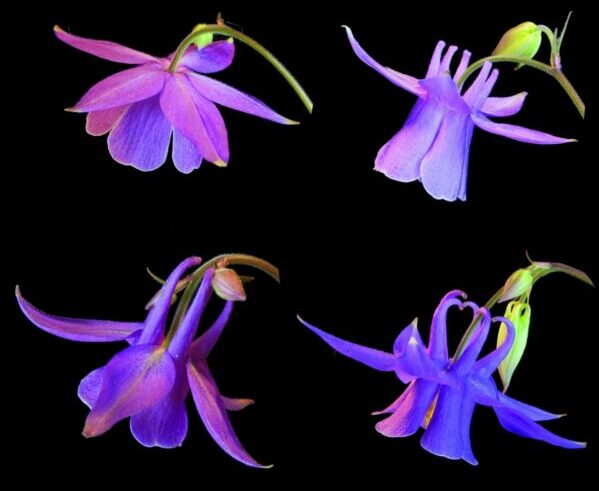
The evolution of novel features - traits such as wings or eyes - helps organisms make the most use of their environment and promotes increased diversification among species. Understanding the underlying genetic and developmental mechanisms involved in the origin of…
All plants and animals respire, releasing energy from food. At the cellular level, this process occurs in the mitochondria. But there are differences at the molecular level between how plants and animals extract energy from food sources. Discovering those differences…
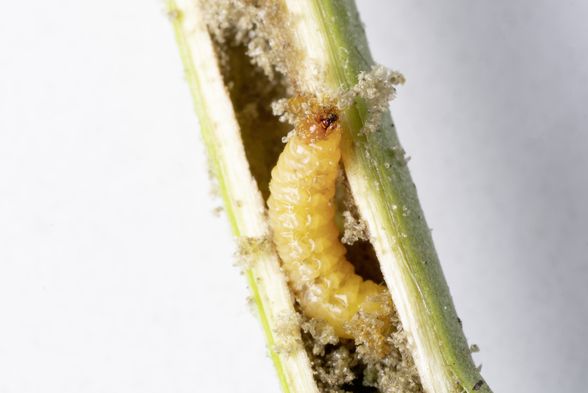
A team of researchers has discovered that strigolactones, a class of novel plant hormones, mediate the fine-tuning of the production plant defensive substances in the stem of plants of the wild tobacco species Nicotiana attenuata.
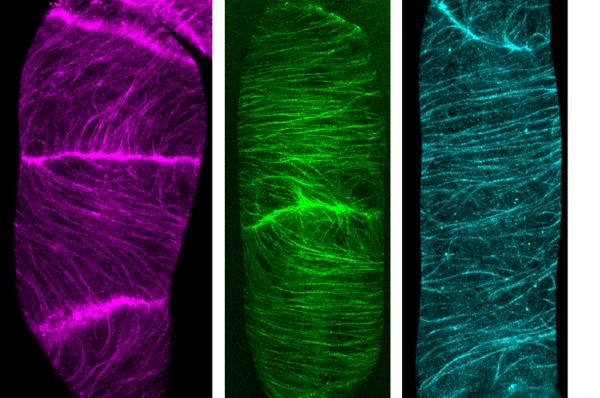
A team of scientists have developed a method for visualizing microtubule dynamics and cell membrane protein endocytosis in living plant cells, an important step forward in plant cell biology.
A multidisciplinary, international team, has uncovered a new biochemical mechanism fundamental to plant life. Their research details the discovery of the enzymatic reaction involving carbohydrates present in plant cell walls, which are essential for their structure.
A new collaborative study describes a promising strategy to improve the nutritional benefits of crops. The work proposes the controlled transformation of chloroplasts (organelles that conduct the photosynthesis in leaves) into chromoplasts (organelles specialized in producing and storing large amounts…
Researchers use a new method of in vivo biosensor technology. Almost all life on Earth, in particular our food and our health, depend on metabolism in plants. In order to understand how these metabolic processes function, researchers are studying key…
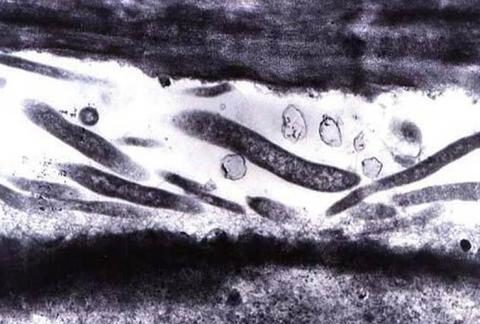
Bacterial road map offers new targets for Huanglongbing disease treatments. Scientists are closer to gaining the upper hand on a disease that has wiped out citrus orchards across the globe. New models of the bacterium linked to the disease reveal…
Without sustained investment in plant science, the necessary research to generate innovative discoveries that solve these urgent problems is at risk. Recently, PSRN released its Plant Science Decadal Vision 2020-2030: Reimagining the Potential of Plants for a Healthy and Sustainable…