
Steps, Acronyms and Coffee
COP31 is overwhelming, there is just a lot of it!
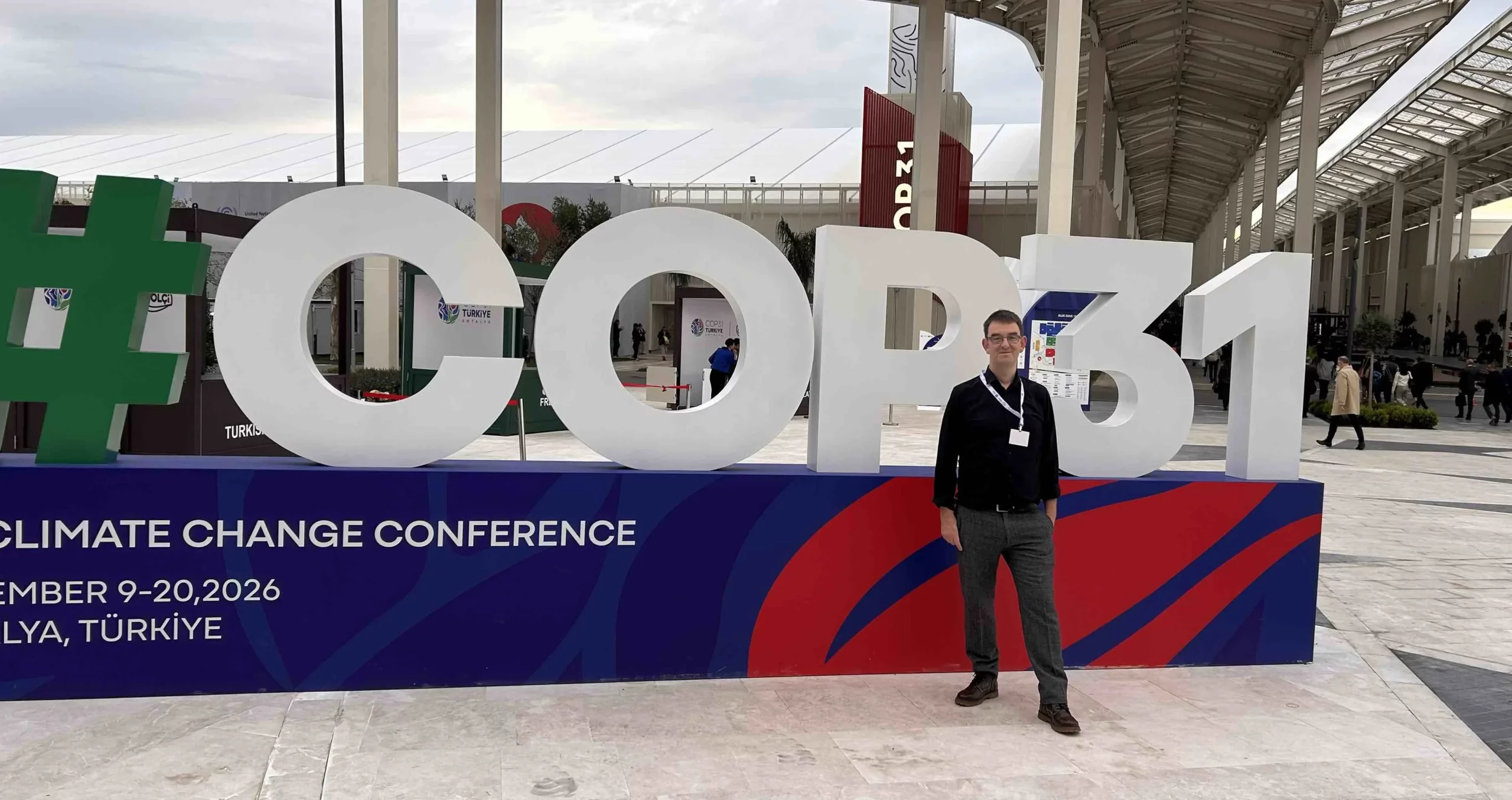
Arriving early on Day 2, I missed later traffic chaos (4hrs to travel the 1hr journey) and breezed through registration in 1 minute (apparently it took up-to 5hrs on Day 1). After taking the obligatory photo at the #COP31 sign I set out to explore the venue… and there was plenty of exploring to do!
I wandered through the still-waking Blue Zone and then into the mostly-slumbering Green Zone! It was nice to see some people at around 9am in the Green Zone as the Science and Technology Pavilion (all EVs) and Climate Finance Pavilion (all banks) were filling up.
The issue of finance is a recurring theme as almost every talk mentioned financing at some point. Of course this is no surprise but it feels as though that people need to be extra-convinced to finance saving the planet, whereas with most other areas there is just ‘finance’.
By the time I trekked back, the Blue Zone had come to life with seemingly every Pavilion supplying strong Turkish coffee for their delegates! As a tea drinker it was disappointed to not be similarly serviced.
In general the Pavilion’s are very impressive with an incredible array of National pride on show! Each of the 100+ Pavilions have a schedule of regular talks so there is often something that piques the curiosity.
My plan was to join any session that mentioned ‘Plants’….. of which there are zero… so I widened the focus to ‘Agriculture’. This took me to three sessions at the Food and Agriculture Pavilion, which is co-sponsored by CGIAR and FAO.
At their opening ceremony it was nice to hear about the collaboration between FAO and CGIAR, who both highlighted that topics of Food and Agriculture are now playing a small but increasing role in COP discussions.
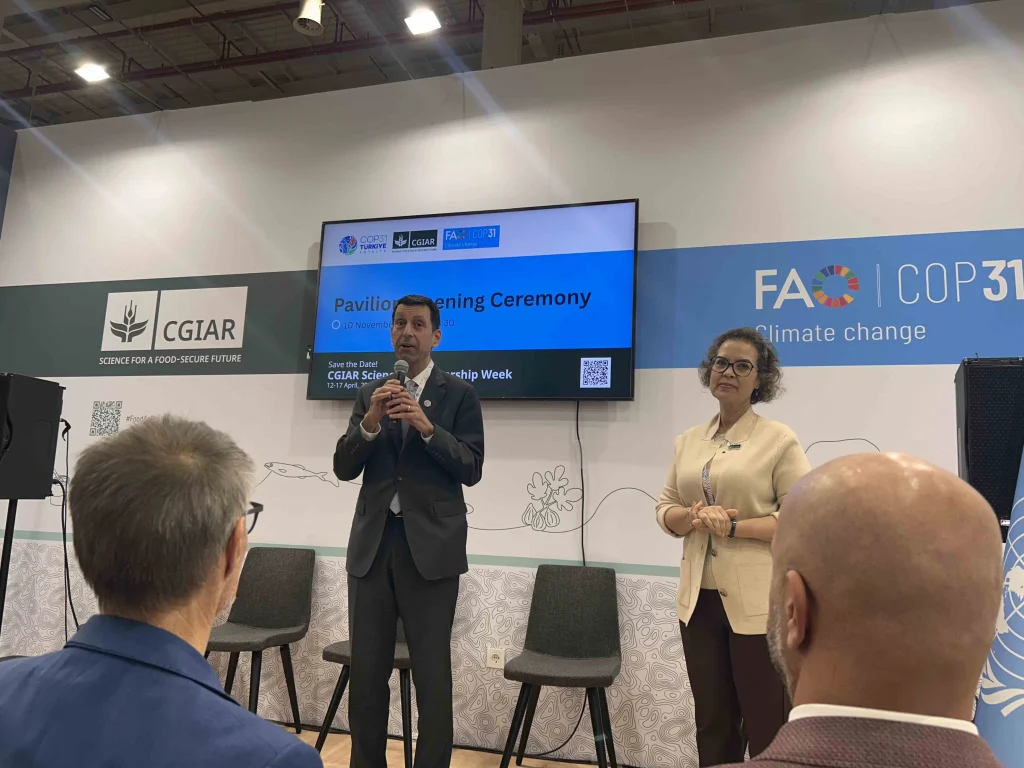
COP31was the first COP to include a thematic day on ‘Food, Agriculture and Health’, although this was on Day 1 when many people had not yet arrived or were stuck in queues… However better to be in-than-out so hopefully in coming years it plays an even more prominent role.
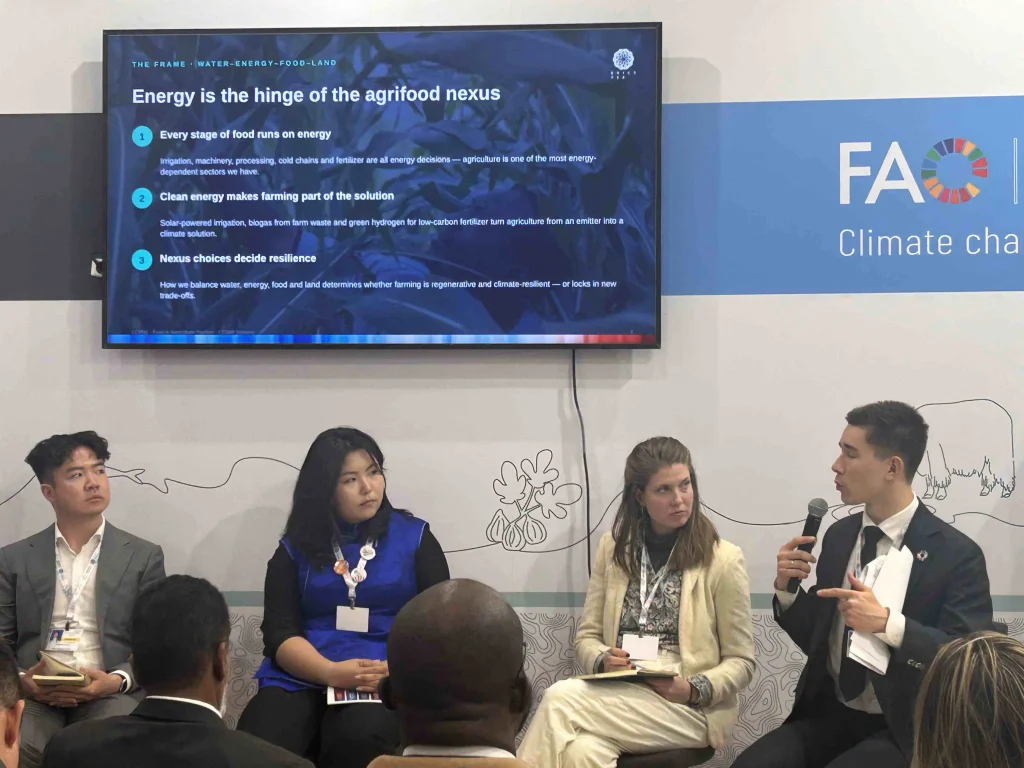
There are a noticeable number of younger delegates at the meeting, four of whom featured in a panel on use of renewable energy for support regenerative agriculture. To be honest I don’t think the session needed to be labelled with regenerative Ag as using renewables to support ‘regular agriculture’ would be equally welcomed… but perhaps it speaks to the relatively small uptake of current regenerative practices.
The final FoodAg Pavilion session introduced a new (lengthy) report on The State of African Agricultural Adapation. There was a little (plant) science mentioned by the CGIAR panellist but otherwise it was mostly a discussion about the required international finance to support African agricultural development.
Download report PDF here.
Although I discussed the GPC with a few delegates, it was a quiet day for me. As someone used to attending scientific conferences where speakers show scientific data, it’s a little unsatisfying when most presenters eloquently speak about what is needed albeit without ‘showing their workings’. This is not a criticism as clearly COP is the place for big ideas!
We go hunting for plant science again tomorrow 😊