Frontiers Research Topics

Submit to Frontiers through The Global Plant Council — 4 APC waivers awarded in 2026

SUBMIT TO CALL 2026

Frontiers’ Research Topics are peer-reviewed article collections around cutting-edge research themes. Defined, managed and led by researchers, they unite the world’s leading experts around the hottest topics, stimulating collaboration and accelerating science.

Submit your manuscript to any of the 6 partner Research Topics via the GPC ECRi platform. Four submissions will be selected for a full Article Processing Charge waiver from Frontiers in Plant Science.

How to participate

Submitting is straightforward. Follow these five steps before your chosen Research Topic’s deadline.

  1. Choose your Research Topic. Browse the six partner Research Topics below and pick the one that best matches your work. Each topic has its own scope and submission deadline, so check the fit and the date before you commit.
  2. Confirm your interest in participate in your chosen Research Topic. On the Research Topic introduction page, click on the “Participate in this topic” option (or “Confirm participation”) before submitting your manuscript. This step links your submission to the correct Topic.
  3. Prepare your manuscript. Follow the author guidelines for Frontiers in Plant Science and the specific article-type requirements listed on your chosen Research Topic page. Eligible article types vary by topic (Original Research, Review, Mini Review, Perspective, Methods, and others) — the topic page lists exactly what’s accepted.
  4. Submit your manuscript to Frontiers in Plant Science. Upload your paper through the standard Frontiers submission system via the “Submit your manuscript” button on the Research Topic page. Your paper will enter the usual Frontiers peer-review process.
  5. Register your submission with The Global Plant Council. After submitting to Frontiers, fill in the GPC 2026 Call form to register your participation. This step is what enters your paper into the APC waiver competition — submissions made to Frontiers in Plant Science alone will not be considered.

Key dates and selection
Submission deadlines: range from 31 August to 19 November 2026, depending on the Research Topic (see list below).
Eligibility: open to plant science researchers.
Selection: four papers will be chosen from among those registered via the GPC form to receive a full APC waiver from Frontiers in Plant Science, covering open-access publication fees. The winners will be invited to deliver a webinar jointly organized by GPC and Frontiers.
Announcement of winners: November/December 2026

Research topics

  • Hormone-Induced Plant Stress Adaptation: Brassinosteroids and Beyond — Deadline: 31 August 2026 — Link
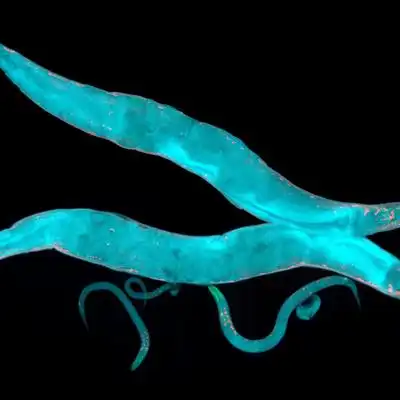
  • Plant–Nematode–Microbiome Networks in Sustainable Biological Control — Deadline: 7 September 2026 — Link
  • Enhancing Agricultural Systems with Plant Growth-Promoting Microbes: Innovations in Eco-Friendly Crop Protection — Deadline: 30 September 2026 — Link
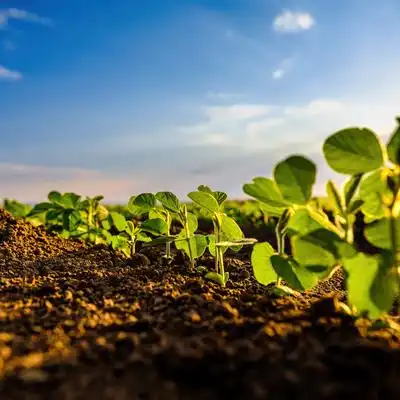
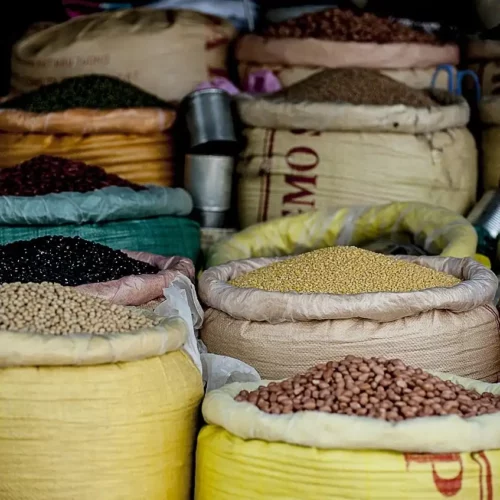
  • Legumes for Global Food Security, Volume III — Deadline: 30 September 2026 — Link
  • Molecular Characterization of Humic Substances and Regulatory Processes Activated in Plants – Volume III — Deadline: 10 November 2026 — Link
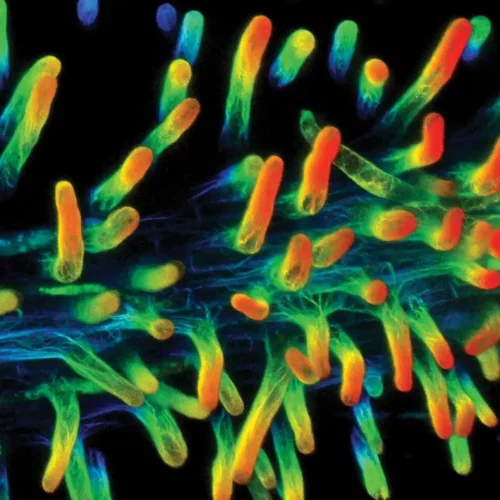
  • Abiotic Stress and Plant Cytoskeleton Dynamics: Unraveling Structural Pathways for Stress Adaptation — Deadline: 19 November 2026 — Link

Enhancing Agricultural Systems with Plant Growth-Promoting Microbes: Innovations in Eco-Friendly Crop Protection

Deadline 30 September 2026

The field of agriculture is witnessing a major evolution as researchers turn towards sustainable and eco-friendly methods to enhance crop productivity. Plant growth-promoting microbes (PGPMs) have emerged as vital components in this transformative landscape. These microbes, including bacteria and fungi, play crucial roles in enhancing nutrient availability, stimulating plant growth, and providing resistance against abiotic stresses. While the potential of PGPMs is substantial, there is a pressing need to investigate their multifaceted contributions to crop health and sustainable agricultural systems. Current studies have shown impressive advancements in microbial ecology, bioinformatics, and plant-microbe interactions, yet many questions on optimizing microbial effectiveness and integration remain open. Recent studies illustrate the promising impact of these microbes, driving the need for a holistic approach to incorporate them effectively within current agricultural frameworks.

This Research Topic aims to explore the intersection of PGPMs within sustainable agricultural practices. The focus will be on integrating these microbes through advanced technologies to foster plant health and minimize dependence on chemical inputs. Researchers will assess the challenges and potential solutions in using PGPMs to boost productivity, ensure food security, and address ecological concerns. The topic seeks to unravel the intricacies of plant-microbe interactions, delve into microbial community optimization, and explore interdisciplinary methods to harness these interactions for large-scale applications.

To gather further insights into the integration of plant growth-promoting microbes within agricultural systems, we welcome articles addressing, but not limited to, the following themes:

- Advancements in PGPM formulations and delivery systems for improved plant growth and health
- Genomic and metabolomic insights into the mechanisms of plant-microbe interactions
- Role of microbial communication in sustainable soil and crop management
- Integration of PGPMs within precision agriculture and their impact on yield resilience
- Strategies to strengthen the utilization of microbial consortia in diversified cropping systems
- Impact of climate change on PGPM efficiency and adaptation
- Economic and regulatory perspectives on the adoption of PGPM-based solutions

We invite original research articles, comprehensive reviews, and case studies that push forward the frontiers of plant growth-promoting microbes in sustainable agriculture.

Plant–Nematode–Microbiome Networks in Sustainable Biological Control

Deadline 7 September 2026

The study of plant–nematode–microbiome networks is at the forefront of research in sustainable agriculture and biological control. Plant-parasitic nematodes remain a significant challenge to global food production, causing considerable yield losses and threatening crop security. Traditional reliance on chemical nematicides is now limited due to escalating concerns about environmental impacts, human health, and tightening regulations. Recent advances in microbiome and holobiont research have revolutionized our comprehension of plant health, shifting the narrative from a simple plant–nematode antagonism to a dynamic, multi-organism network where plants, bacteria, fungi, protists, and other soil organisms interact. Studies have begun to unravel how soil microbial communities self-organize, influence nematode populations, trigger plant immune responses, and ultimately mediate the suppression of plant-parasitic nematodes as an emergent system property. However, substantial knowledge gaps persist, particularly regarding the mechanisms of interaction, the stability and assembly of beneficial networks, and their translation to field-level, agronomic outcomes.

This Research Topic aims to bridge these gaps by integrating ecological, molecular, and functional approaches to decipher the complex networks at play within plant–nematode–microbiome interactions. We seek to answer fundamental questions on how microbial community dynamics shape nematode behavior, modulate plant defense mechanisms, and generate disease-suppressive environments. A central objective is to identify generalizable principles and actionable strategies that underpin robust, resilient, and sustainable biological control solutions. By fostering interdisciplinary and integrative studies, we aim to accelerate the translation of mechanistic insights across biological scales—ranging from genes and metabolites to entire agroecosystems—into practical tools for microbiome-based management of nematode pests.

This Research Topic is primarily limited to interactions among plants, plant-parasitic nematodes, and associated microbiomes in the context of biological control and sustainable crop management. Studies must focus on the integration of ecological, molecular, or systems perspectives to develop holistic, network-driven solutions. To gather further insights in these areas, we welcome articles addressing, but not limited to, the following themes:

• Microbial community assembly processes and ecological network properties linked to nematode suppression

• Molecular, biochemical, and metabolic mechanisms of plant–microbe–nematode crosstalk

• Functional roles of bacteria, fungi, protists, and other soil organisms in the plant holobiont

• Multi-omics, systems biology, and ecological network methodologies applied to plant–nematode–microbiome systems

• Influence of plant genotype, soil management, and environmental parameters on beneficial microbiome function

• Translational studies linking fundamental mechanisms to agronomic and ecosystem outcomes

We welcome submissions of the following article types: Brief Research Report, Correction, Editorial, FAIR² DATA Direct Submission, FAIR² Data, Hypothesis and Theory, Methods, Mini Review, Opinion, Original Research, Perspective, Review, Systematic Review.

Abiotic Stress and Plant Cytoskeleton Dynamics: Unraveling Structural Pathways for Stress Adaptation

Deadline 19 November 2026

Plants are increasingly encountering abiotic stressors, such as salinity, drought, heavy metals, microplastics, and various environmental contaminants, that significantly hinder growth and productivity. In response to such challenges, plants rely on complex organelles and signaling networks to perceive stress and adjust for survival. The cytoskeleton, consisting of actin filaments and microtubules, has emerged as a critical component of these networks, functioning as both a structural framework and a dynamic regulator of cellular responses. Recent studies highlight the importance of stress-induced cytoskeletal reorganization in facilitating processes like ion transport, vesicular trafficking, cell wall modifications, and interactions with key signaling molecules. Understanding these cytoskeletal-mediated pathways is essential to unravel how plants acclimate to environmental changes and offers opportunities to develop crops capable of thriving in contaminated and fluctuating environments.

This Research Topic aims to address the gaps in understanding the structural basis of stress adaptation, particularly the role of the cytoskeleton. It seeks to gather and consolidate research that demonstrates the impact of cytoskeleton dynamics on plant responses to diverse abiotic stressors. By focusing on mechanistic insights, novel imaging and molecular techniques, and biotechnological approaches, this Research Topic aspires to highlight how manipulating cytoskeletal pathways can enhance stress tolerance in plants. The ultimate objective is to develop novel techniques that strengthen crop resilience in increasingly challenging environments, thus contributing to global food security and ecosystem stability.

To gather further insights into the dynamic role of the plant cytoskeleton in stress adaptation, we welcome articles addressing, but not limited to, the following themes:

• Cytoskeletal remodeling under abiotic stress conditions
• Regulation of ion transport by the cytoskeleton
• Mechanistic insights into vesicular trafficking dynamics
• Interactions between the cytoskeleton and cell wall modifications
• The role of cytoskeletal proteins in stress memory mechanisms
• Cytoskeleton-mediated signaling pathways with reactive oxygen species, calcium, and phytohormones

We invite a range of submissions, including original research articles, brief communications, perspectives, and comprehensive evaluations. We particularly encourage studies employing advanced imaging, molecular genetics, proteomics, and biotechnological methodologies to illuminate the cytoskeleton's role in plant stress adaptation.

Hormone-Induced Plant Stress Adaptation: Brassinosteroids and Beyond

Deadline 31 August 2026

Plants confront abiotic stressors, heavy metals, nutrient imbalance, salinity, temperature extremes, through hormone-centered signaling integrated with reactive oxygen, nitrogen, and sulfur species (ROS/RNS/RSS). Brassinosteroids (BRs) are central coordinators of these responses, reshaping root and shoot architecture, enhancing antioxidant capacity, and restoring metabolic balance. Yet major questions remain on how BR signaling interfaces with reactive-species dynamics and with other hormones, ABA, auxin, ethylene, jasmonates, salicylic acid, cytokinins, strigolactones, among others, to produce specific morpho-physiological outcomes across development and environments.

This Research Topic places BRs at the core while explicitly inviting work that situates BR actions within broader hormonal networks. We seek studies that elucidate (i) stress perception and early signal transduction, (ii) developmental pathway integration (organ growth, meristems, vasculature, reproduction), and (iii) downstream structural/physiological adjustments that confer tolerance. A key aim is to translate mechanism into breeding, biotechnology, and agronomic strategies for resilient crops.

To gather further insights into these targeted molecular and physiological networks, we welcome articles addressing, but not limited to, the following themes:

• BR-focused mechanisms: BR control of ROS/RNS/RSS production and scavenging; BR-mediated remodeling of root/shoot systems; links to ion homeostasis, redox balance, and metabolic reprogramming under heavy metals and related stresses.
• Hormone crosstalk: Interactions of BRs with ABA, auxin, ethylene, jasmonates, salicylic acid, cytokinins, and strigolactones in stress perception, signaling thresholds, and developmental decision-making.
• Development–stress integration: How hormone networks (led by BRs) coordinate organogenesis, meristem activity, vascular differentiation, and reproductive processes to enable plasticity under stress.
• Systems & omics approaches: Multi-omics, network inference, and modeling to map genes/pathways underlying morpho-anatomical plasticity and hormone–redox integration.
• Applied advances: Gene editing, biostimulants, tailored nutrition, and other interventions that leverage BR-centered hormone networks to mitigate toxicity and enhance resilience.
• Ecophysiology & scaling: Consequences of hormone–reactive-species interactions across developmental stages, genotypes, and environments.

We encourage the submission of original research articles, reviews, perspectives, and methods papers relevant to these themes.

Legumes for Global Food Security, Volume III

Deadline 30 September 2026

Access Volume II by clicking this link

Humanity is facing three interlinked global challenges: ensuring food and nutritional security for a growing population, reducing the environmental footprint of agricultural production, and strengthening resilience to climate change. Within this context, legumes have emerged as strategic crops for a sustainable and climate-resilient future. They provide high-quality plant-based proteins, essential micronutrients, and bioactive compounds that support human and animal nutrition, while also delivering key ecosystem services.

Through biological nitrogen fixation, legumes enrich soil fertility, reduce dependency on synthetic fertilizers, enhance soil carbon sequestration, and mitigate greenhouse gas emissions. Their inclusion in crop rotations and intercropping systems also enhances biodiversity, improves soil structure, and boosts agroecosystem sustainability. These multiple functions position legumes at the core of global strategies aimed at climate-smart agriculture, sustainable intensification, and dietary transitions toward plant-based food systems.

Previous volumes of Legumes for Global Food Security (Frontiers in Plant Science, 2020, 2022 and 2023) established the scientific foundation for understanding the biological and agronomic potential of legumes. However, accelerating climate change introduces new complexities. Rising temperatures, erratic rainfall, heat and drought episodes, elevated CO₂ levels, and shifting pest and disease pressure all threaten yield stability, seed quality, and nitrogen fixation efficiency. Recent modelling studies estimate potential yield losses between 10% and 50% by mid-century if adaptive measures are not implemented. Therefore, a deeper, integrated research effort is required to elucidate how legumes respond, adapt, and contribute to climate mitigation and food system resilience.

This third volume focuses on the role of legumes under climate change, addressing their contribution to food security from multiple, interconnected perspectives: physiological, molecular, agronomic, nutritional, plus socio-economic. The Topic encourages submissions that explore the mechanisms, technologies, and systems approaches enabling legumes to thrive in variable and extreme environments while sustaining productivity and quality.

Relevant themes include, but are not limited to:

• Climate stress adaptation – Effects of combined and sequential stresses (heat, drought, salinity, flooding, elevated CO₂) on plant growth, reproduction, yield stability, nitrogen fixation, and seed composition.

• Molecular and genetic resilience – Multi-omics integration (genomics, transcriptomics, proteomics, metabolomics, phenomics) to identify adaptive traits, stress-tolerance pathways, and beneficial symbioses with rhizobia and mycorrhizae.

• Breeding and biotechnology – Marker-assisted and genomic selection, genome-wide association studies (GWAS), gene editing, and advanced breeding pipelines for climate-smart legume varieties.

• Agroecology and ecosystem services – Role of legumes in regenerative and low-input farming, soil carbon accumulation, microbial biodiversity, and reduction of nitrogen fertilizer use and emissions.

• Nutritional and nutraceutical dimensions – Impacts of climate variables on seed composition, amino acid balance, anti-nutritional factors, and bioactive compounds; strategies for biofortification, post-harvest optimization, and health-promoting properties.

• Socio-economic and policy aspects – Scaling adoption of legumes in global food systems, market integration, value chains, and policy frameworks for sustainable production.

This Research Topic aims to assemble cutting-edge interdisciplinary research that advances our understanding of how legumes can contribute to sustainable, climate-resilient, and nutrition-sensitive agri-food systems. By bridging plant physiology, genetics, and ecology with agronomy, food science, and sustainability assessment, this collection will highlight both mechanistic discoveries and field-level solutions.

We welcome Original Research, Reviews, Mini-Reviews, and Perspectives addressing the diverse roles of legumes under climate change—from molecular mechanisms to system-scale applications. Studies linking omics approaches to phenotypic or agronomic outcomes, as well as modelling, breeding, and socio-economic analyses, are particularly encouraged.

By integrating scientific advances with actionable solutions, Legumes for Global Food Security - Volume III seeks to outline the next frontiers in legume research - strengthening their central role in low-emission, climate-smart agriculture and in ensuring food and nutrition security for a changing world.


Molecular Characterization of Humic Substances and Regulatory Processes Activated in Plants - Volume III

Deadline 10 November 2026

This Research Topic is part of the article collection series - Molecular Characterization of Humic Substances and Regulatory Processes Activated in Plants and Molecular Characterization of Humic Substances and Regulatory Processes Activated in Plants, Volume II.

One of the main challenges of sustainable agriculture is improving food production while reducing significant impact on the soil, water, and other environmental resources. In this context, the use of humic substances extracted from different substrates in agricultural practices has been envisioned as a promising nature-like and environmental-friendly technology to support crop yield and quality. Humic substances, deriving from chemical and biological transformations of biota materials, represent an intrinsic component of soil organic matter (SOM) consisting of associations of relatively small humic molecules linked together through hydrophobic interactions and hydrogen bonds. Because of their distinctive physicochemical features, they are used in several industrial and agricultural applications and in remediation technologies for metal-contaminated soils. Humic substances are of pivotal importance for environmental protection by conditioning soils and improving their stability and resistance to erosion. In addition, they possess inherent hormone-like nature and exhibit biological activity. This is often associated with complementary action of soil microbiota and is manifested in their capacity to modulate the transport and bioavailability of nutrients to plants, influence root growth and architecture, enhance crop yields and regulate the expression of a broad array of genes involved in plant metabolism, development and resistance to stress.

Despite significant efforts to explain the molecular structure of humic substances and its relationship with a plurality of physiological responses and signaling networks triggered in plants, several functional aspects still need to be clarified. One major issue is that humic substances possess a very complex structure, which accounts for their multifaceted biological action. Therefore, this Research Topic aims to update the knowledge on humic substances by improving the current understanding of their structure and interactions with plants and associated rhizosphere microorganisms, thus shining light on the mechanisms and cellular signaling pathways through which humic substances target specific plant metabolic routes and elicit physiological responses. Implications of such interactions are expected to be assessed using differential methodological approaches, under either small scale trials or field conditions, in view of developing advanced and sustainable agriculture technologies aimed at improving crop yield and food quality.

We welcome Original Research, Methods, Opinions, Reviews and Perspectives articles focused on studies investigating:

- The biological activity of humic substances through evaluation of their mode of action in plants under optimal or abiotic/biotic stress conditions, also using omics approaches combined with functional analyses.
- The cross-talk among humic substances, plants and rhizosphere microbes
- The development and application of innovative chemical and physical techniques to characterize the molecular structure and function of humic substances.
- Crop performance under field conditions and evaluation of food quality in response to humic substances application as bio stimulants.
- Lab and greenhouse experiments.

Descriptive studies evaluating the effects of humic substances on yield, without advancing mechanistic understanding, will not be considered.