Antalya Ocean and Seas Compact, Funding announcement, and Agroecology.
The COP31 Action Agenda highlights ten priority themes. Today’s priority: Ocean, Seas, Nature and Land Use – Rio Synergy
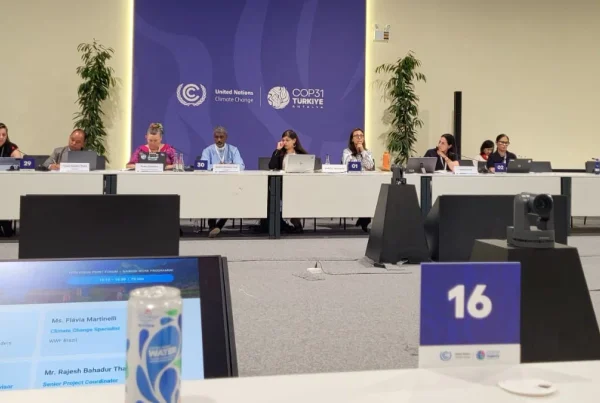
This afternoon I attended the
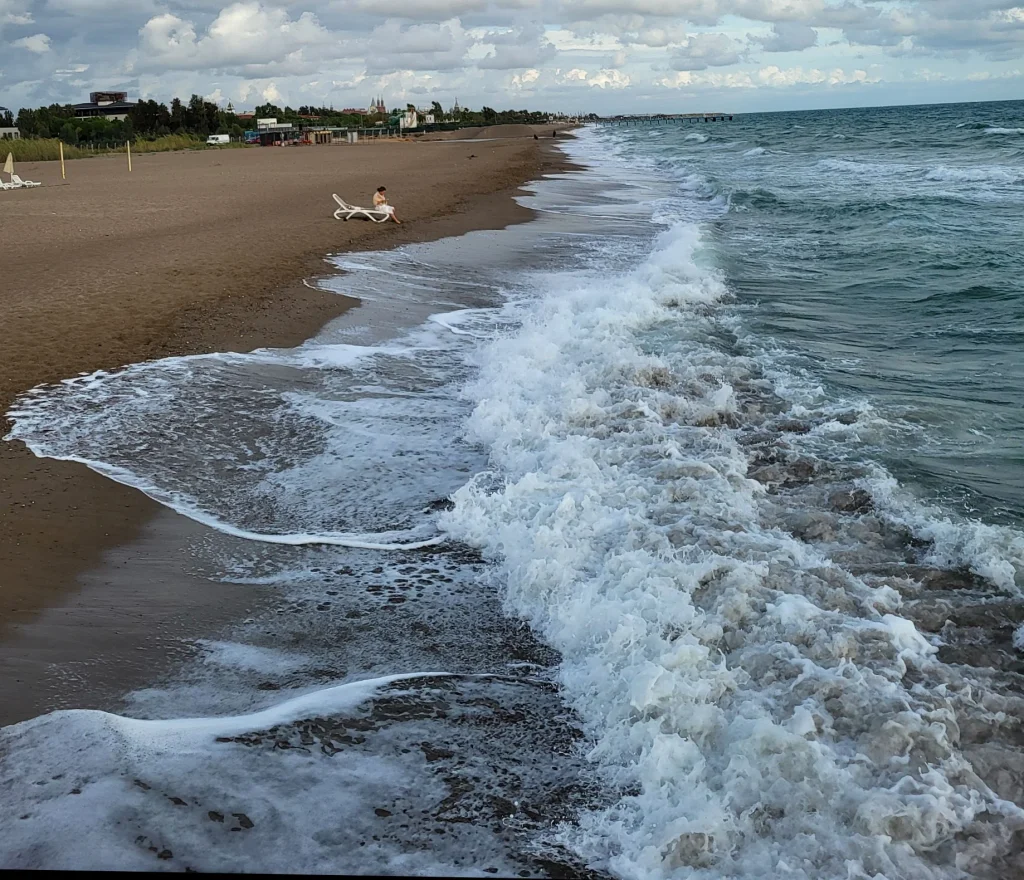
The COP31 Presidency unveiled the Antalya Ocean and Seas Compact to accelerate implementation of ocean-based climate action through stronger partnerships and improved access to finance. Why is Ocean health important? Oceans and seas regulate the global climate system, and ocean health is closely connected to biodiversity and human well-being.
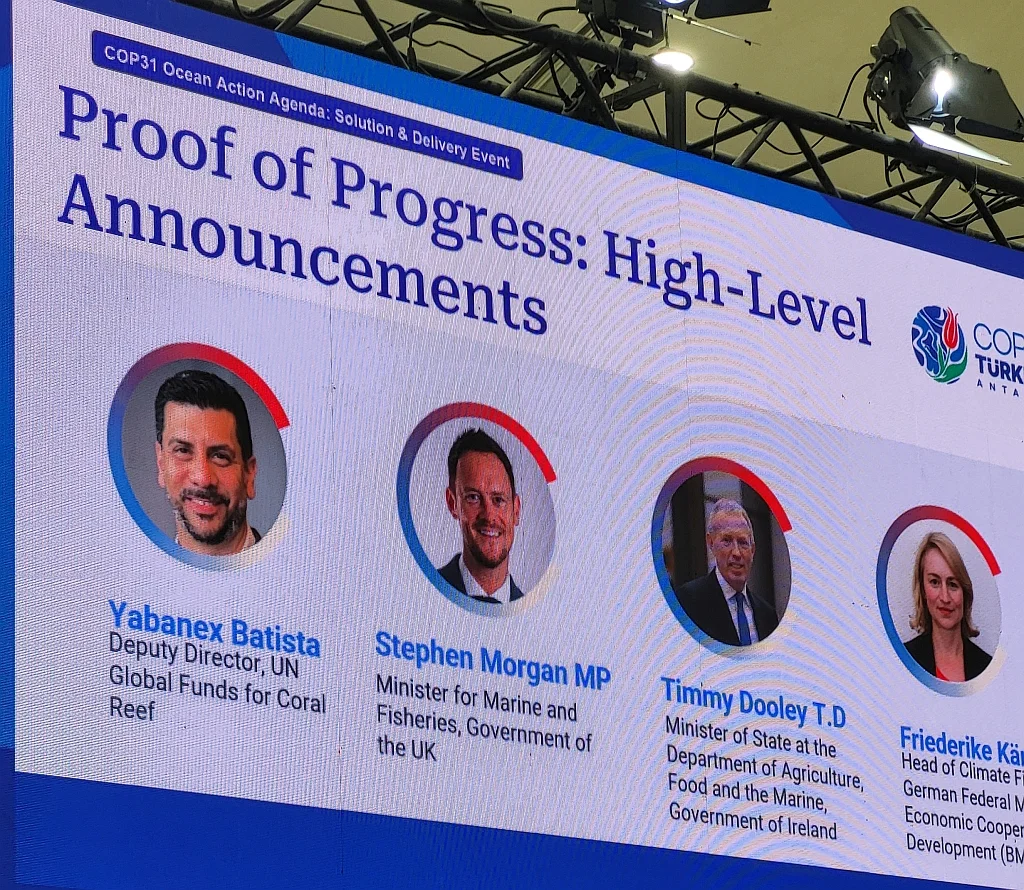
Coral reefs support livelihoods and protect over a billion people from extreme weather. New funding was announced today by the UK, Ireland and Germany to improve ocean health, protect coral reefs, and boost resilience.
Ocean phytoplankton biomass equals only about 1% to 2% of total global plant carbon, yet accounts for roughly 40% of annual carbon fixation (30 to 50 billion metric tons per year).
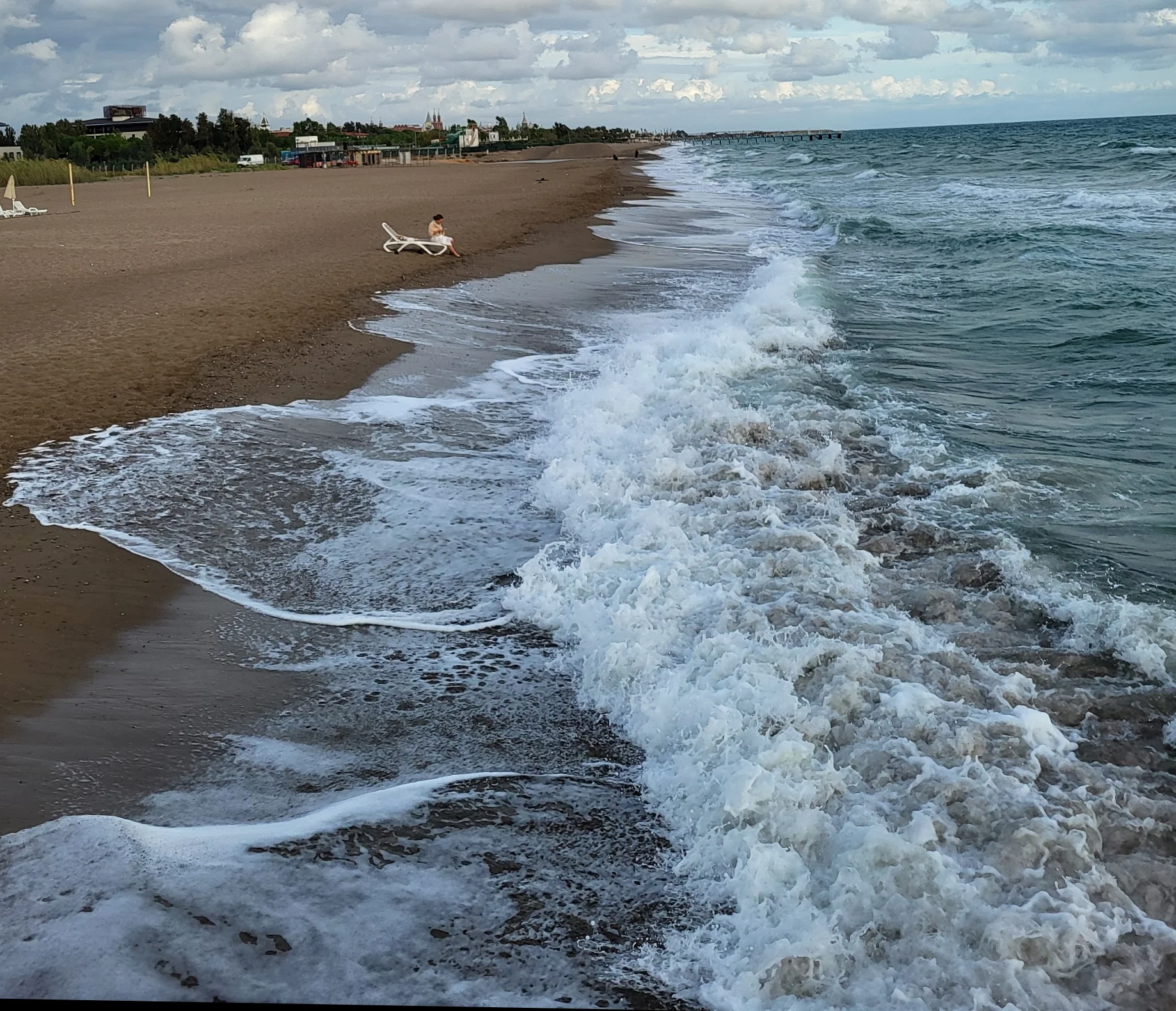
We need to protect the oceans and seas for the sake of the globe’s health. Canada, where the GPC office is, borders three oceans: the Arctic Ocean to the north, the Atlantic Ocean to the east, and the Pacific Ocean to the West. Naturally, protecting oceans and Ocean health is close to my heart.
Click here for more information on the Ocean Health Compact.
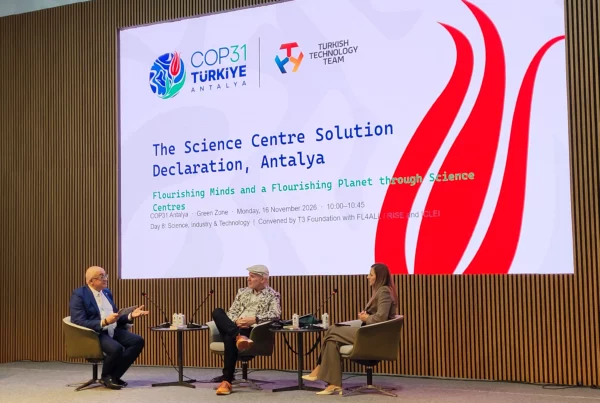
Plant science/Agriculture related event from today.
Side Event: Cultivating Resilience: Agroecology as Climate Adaptation in Action.
Speakers discussed how agroecology, the application of ecological principles to agricultural systems, offers an effective framework for climate change adaptation. By enhancing soil organic matter and increasing crop biodiversity, it naturally builds resilient farms.
Speakers: Jayakumar Chelaton, India, Arnolld Padilla, the Philippines, Nasira Habib, Pakistan, Maïmouna DIENE, Senegal, and Manon Rouby, France.
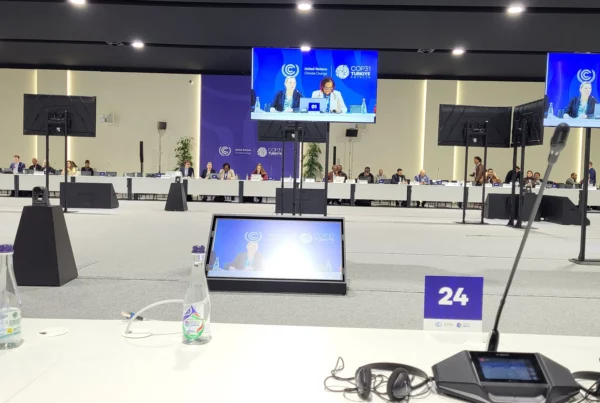
High-Level Event:
Annual ministerial high-level round table on the impacts of the implementation of response
Measures was held onTuesday Nov 17, from 10:00 to 13:00 hrs local time
The COP, the CMP and the CMA at COP 29/CMP 19/CMA 6, decided to organise an annual ministerial high-level round table on the impacts of the implementation of response measures. The provisional programme and additional information on the round table will be published in due course on the event webpage. For any inquiries on the event, please contact the secretariat at mias@unfccc.int.
COP31 logo
Writing about the events and discussions surrounding today’s theme on seas and oceans brings me to the COP31 logo.
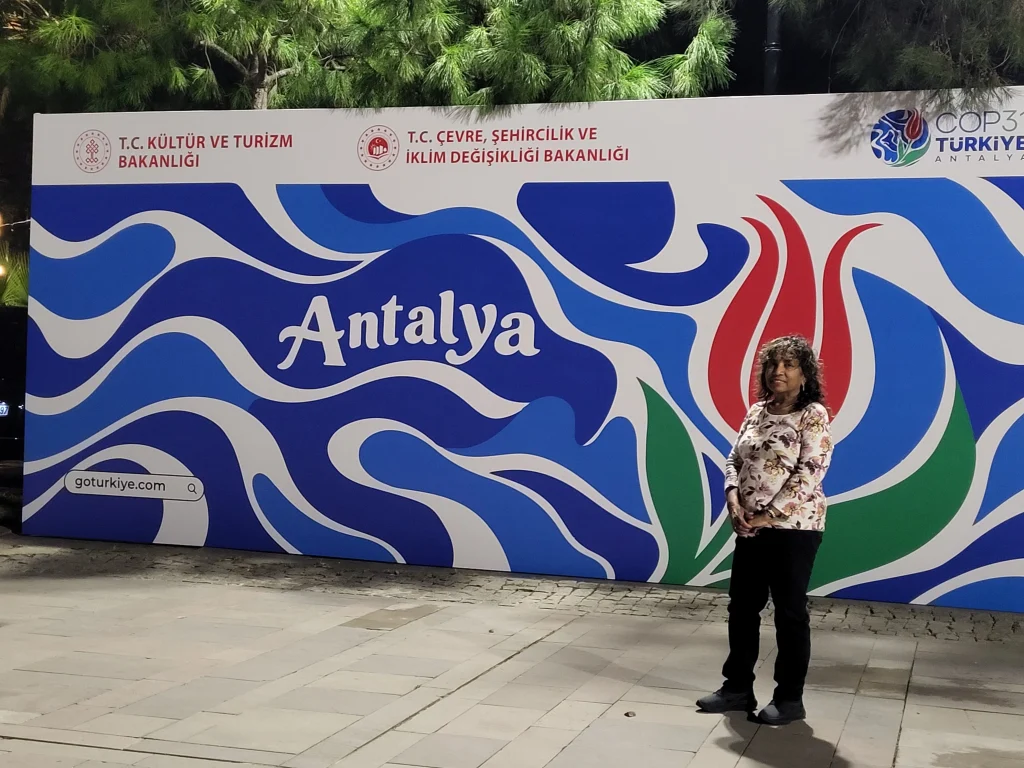
The first thing you notice in the COP31 logo created by the host country, Turkey, is a red tulip standing proudly. A symbol of rebirth and hope, the tulip sits within a swirl of ebru. Ebru is the old Turkish art of marbling, where colours are floated on water and gently drawn into patterns. No two swirls are ever the same, and while you can guide the colors, you never fully control them (kind of like the negotiations happening as I write this).
Blue for water, green for a sustainable future, red for the host country, all held in a circle for the one home, the Earth, we share.
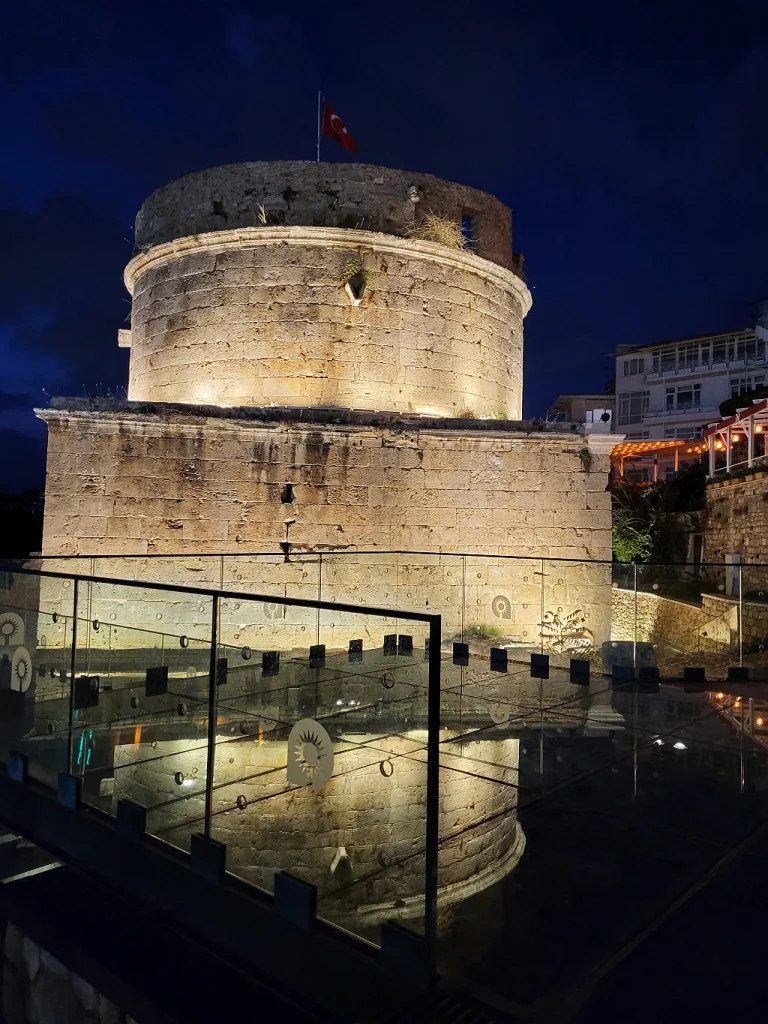
This large painting, an extension of the COP31 logo behind me, was installed at the Hıdırlık Tower, where the community can enjoy it in a park. The second-century-old Hıdırlık Tower is a tawny stone landmark in Antalya, Turkey, where Kaleiçi (meaning inside the castle) on the rugged Mediterranean coast meets Karaalioğlu Park. A large expanse of blue water in the painting brings you peace and calms you. (photo of the painting and the tower)
More blogs on COP31 will be posted next week. Deena