
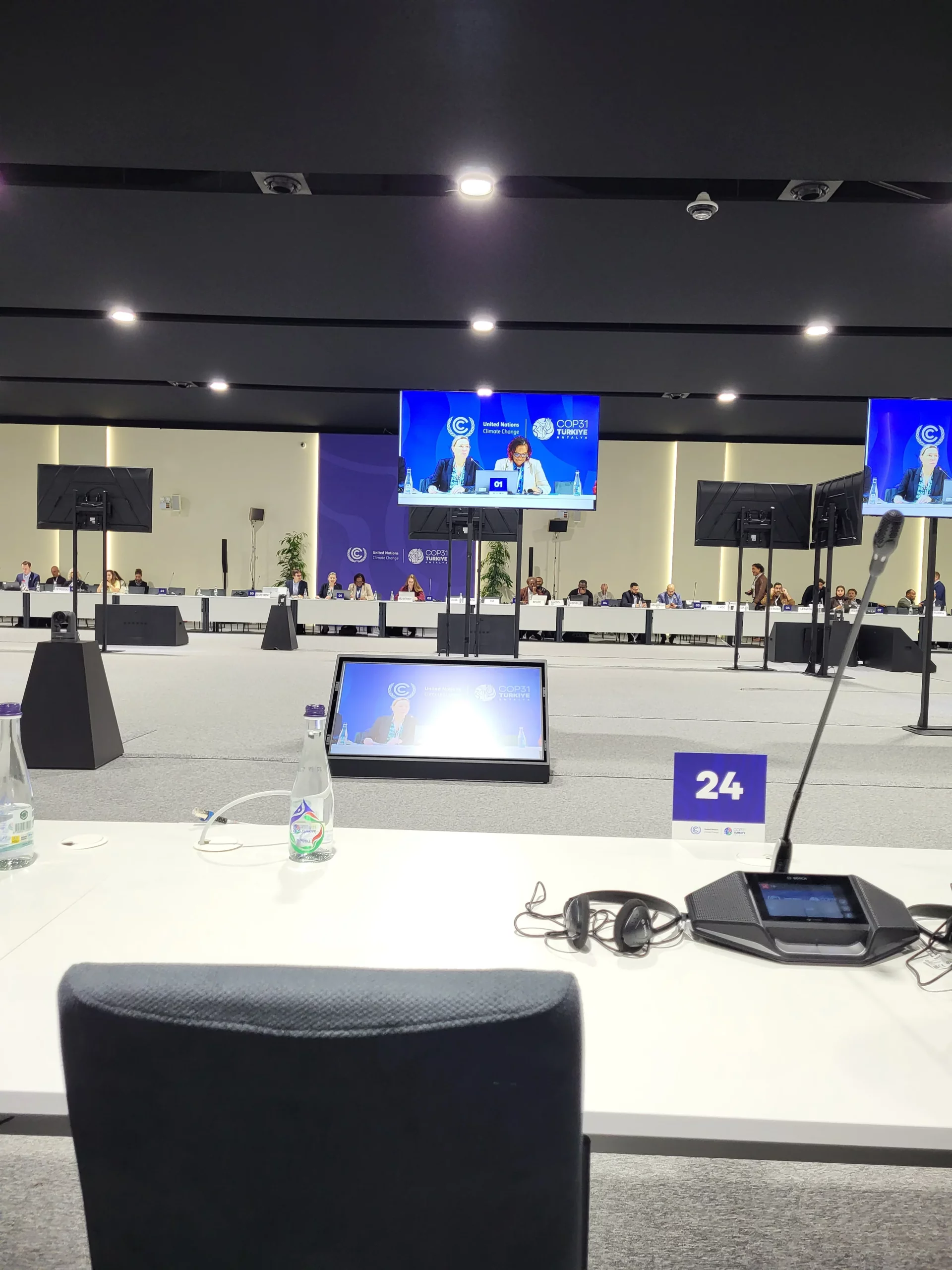
Agricultural consultations, Climate Action Through Food Systems
General: The COP31 Action Agenda highlights ten priority themes. Today’s priority theme is: Children, Youth, Education and Skills
Highlights from the sessions I attended:
Agriculture is most vulnerable to climate change. According to the World Health Organization (WHO) and the United Nations, approximately 3.3 to 3.6 billion people (about 43% of the global population) live in contexts or areas that are highly vulnerable to climate change, which heavily impacts agriculture and food systems.
Farming relies directly on predictable weather patterns, temperature ranges, and water resources. When climate change brings unpredictable weather, crop losses mount. It impacts the livelihoods of farmers and other people.
The Global Plant Council is an umbrella organization of plant science societies and organizations. Naturally, the GPC is interested in the effects of climate change on agriculture and food security and wants to follow developments and contribute where possible at COP meetings.
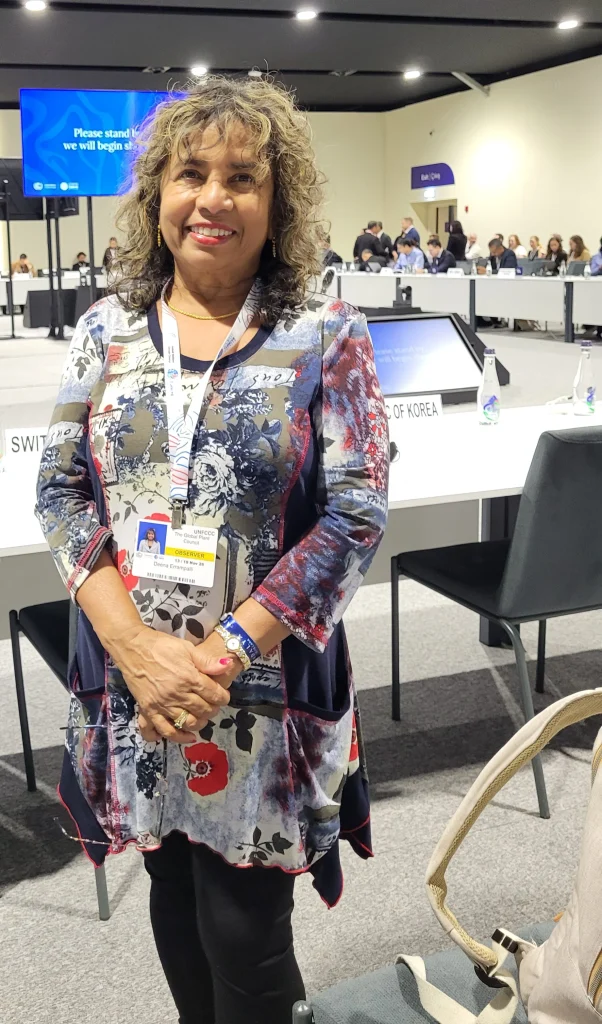
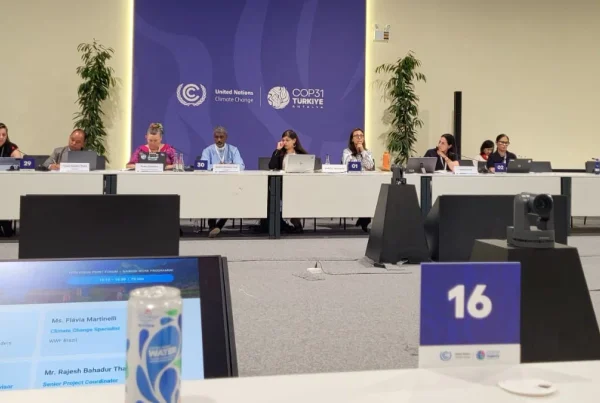
Last evening, I learned that there will be consultations on Agriculture and Food Security on Saturday. In general, at Conference of the Parties (COP) meetings, the parties (countries) negotiate on a given topic. At some negotiations, observers were admitted and given a chance to make brief statements.
This was one of those sessions open to Observers as well. I, representing the Global Plant Council, was happy to attend the consultations as an Observer.
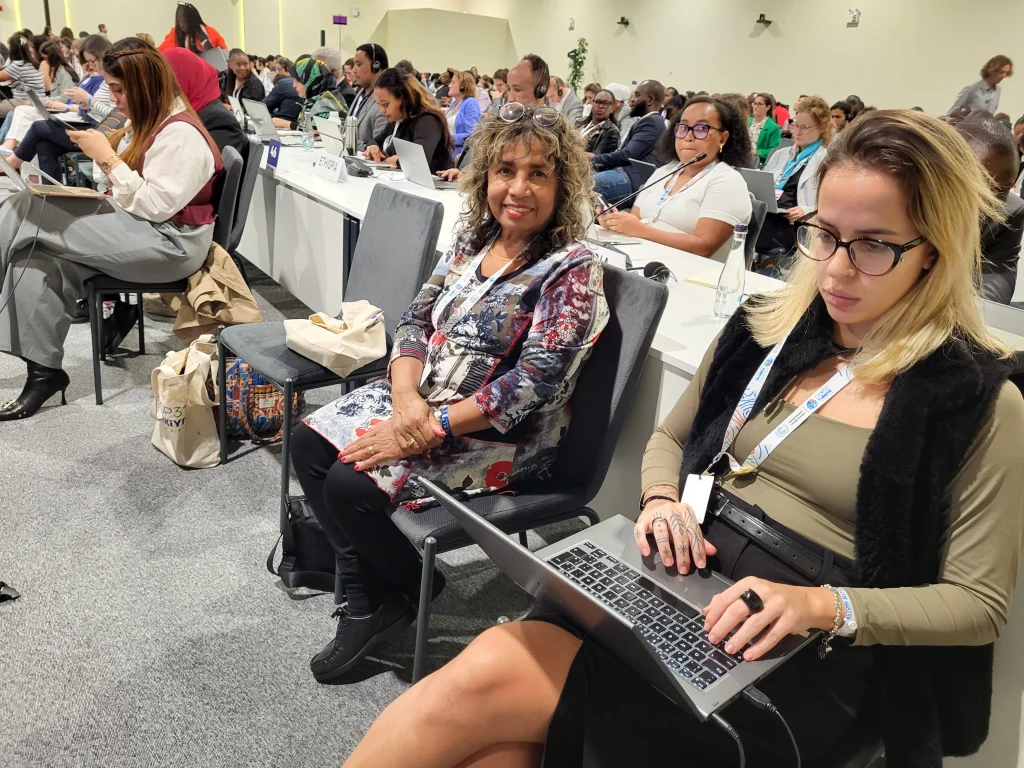
The SBSTA 9/SBI Sham el-Sheikh Joint Work on Implementation of Climate Action on Agriculture and Food Security (SJWA) – informal consultation was held from 10-11 am on November 14, 2026. Representatives of Parties (countries), constituted bodies under the convention and observer organizations presented perspectives relevant to the topic.
The SJWA was established at the UN Climate Change Conference (COP27) in Sharm el-Sheikh, Egypt, in November 2022. This is the primary UN framework for discussing agriculture and food security at UNFCCC COP meetings. This four-year joint work includes implementation of the outcomes from the Koronova joint work on Agriculture. Representatives of Parties (countries), constituted bodies under the convention, and the observer organizations were to report back at COP31.
On November 14, 2026, at COP31, representatives of Parties (countries), constituted bodies under the convention, and observer organizations presented perspectives relevant to the topic. Following the discussions/consultations, the parties could not find common ground. All were disappointed with the outcome.
However, most expressed interest in working together in the future to find common ground and complete the work that began 4 years ago, as climate change accelerates and leads to more natural disasters.
Although the countries could not find common ground on the SJWA at this time, it is heartening to know that joint work in many areas is progressing and that there is willingness to find creative solutions to support implementation.
Side Event: A note about the Side Events. Side Events are important venues to discuss and make suggestions and recommendations to the parties. The parties (countries) must, through consultations, reach an agreement and then implement it.
One of the Side Events today:
Max Planck Society for the Advancement of Science e.V. (MPG)Ms. Veronica Zuccarelli Freire
organized a Side Event titled, Accelerating Climate Action Through Food Systems
A global conversation on accelerating food systems transformation through regenerative agriculture, food innovation, healthier diets, reducing food waste and plastic pollution, and youth leadership-advancing climate action, health, resilience, and equity.
Speakers: J. Semaan, Global Dir., Food & Env., EARTHDAY.ORG W. Byun, Team Leader, Greening Educ. Partnership, UNESCO P. Tembé, Indig. leader, Tembé people, Brazil S. Wajih, Dir., GEAG S. Higgins, COP31 Youth Champion P. Conversi, Sect. for Relations w/ States & Int’l Orgs., Secretariat of State, Vatican
Artwork of the day: COP31 organizers also included art depicting climate change. Here is a photo of a mixed-media mosaic titled ‘Life Turning Towards the Future.’
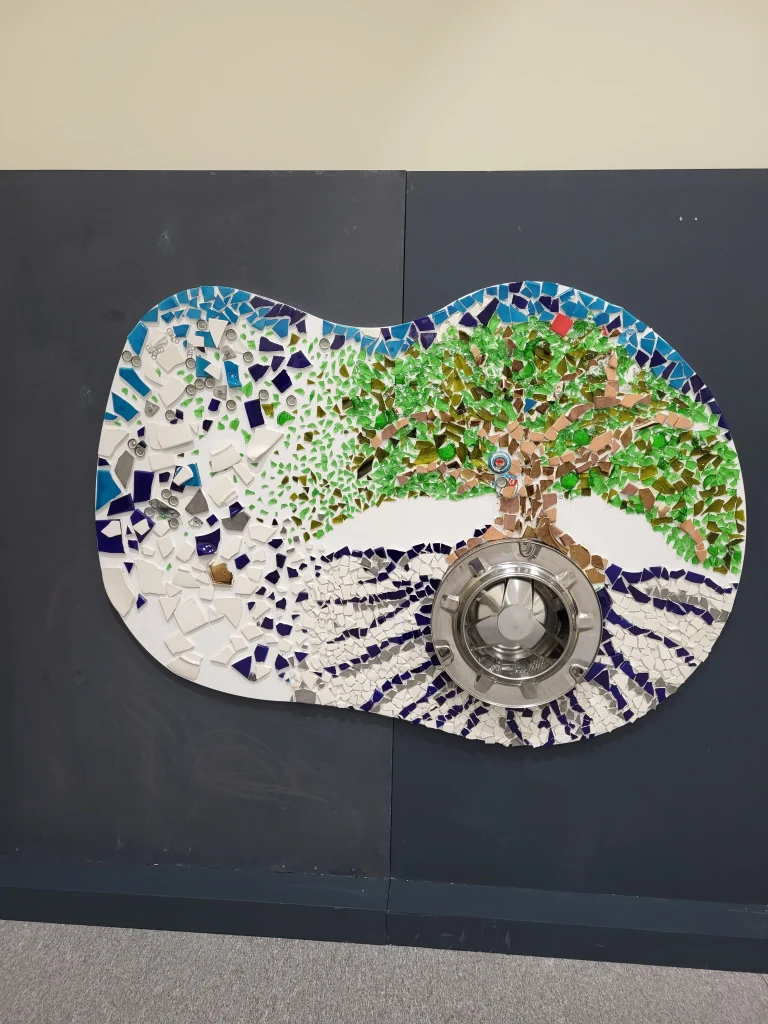
Description: The broad circular mosaic brings discarded pieces together in a branching, living pattern. The fragments retain their differences while forming a continuous landscape. The artwork gives materials set aside during production a new role, connecting the cycle of an everyday appliance with the possibility of returning resources to life through art.
The day 7 (Sunday) priority theme is A breath in Antalya. Delegates were given a day off from meetings to explore the social and cultural programs of the COP31 host city, Antalya.