
Week two begins at COP31. Consultations, Declarations, Press release
What an energizing first week it was! The COP conference brought together scientists, policymakers, global leaders, climate experts, civil society, businesses, Indigenous Peoples, and young people from around the world to discuss steps to adaptation and climate policy implementation.
One highlight from the Day 5 Press Release is: COP31 mobilizes finance to turn climate commitments into action. Chile, Lebanon, Mexico, and Zambia joined five other countries of the first cohort – Ethiopia, Fiji, Indonesia, Pakistan and Uzbekistan – to turn national climate priorities into-investment ready projects
On the excitement built in week one, and with hopes of reaching agreement(s) among the Parties, COP31 is heading into the second week.
As I mentioned in my previous blogs, the COP31 Action Agenda highlighted ten priority themes. Today’s priority: Science, Industry and Technology
Being an umbrella of scientific societies and organizations, Global Plant Council’s interests are always aligned with science.
You guessed it!
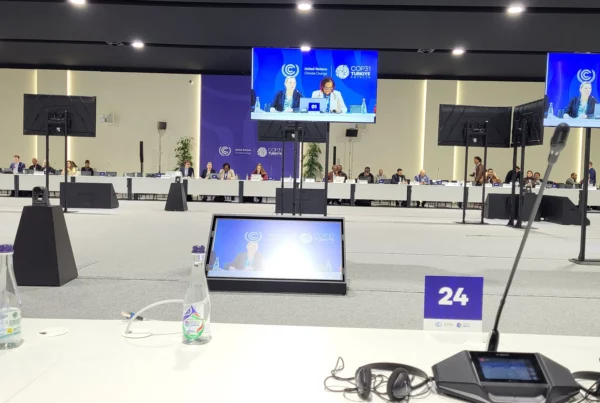
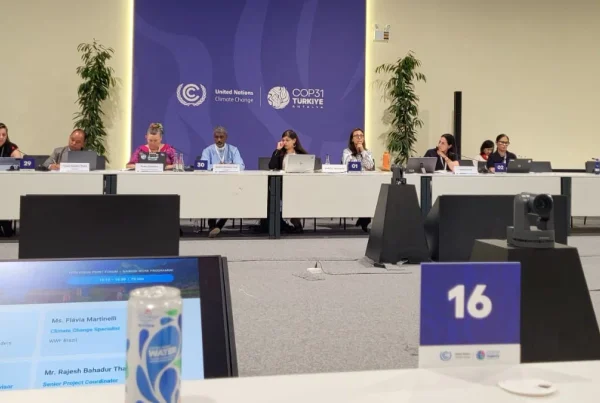
Today’s plenary was organized by the COP31 Presidency to recognize the Priority theme, Science, Industry and Technology. The room was overflowing with thousands of delegates interested in science.
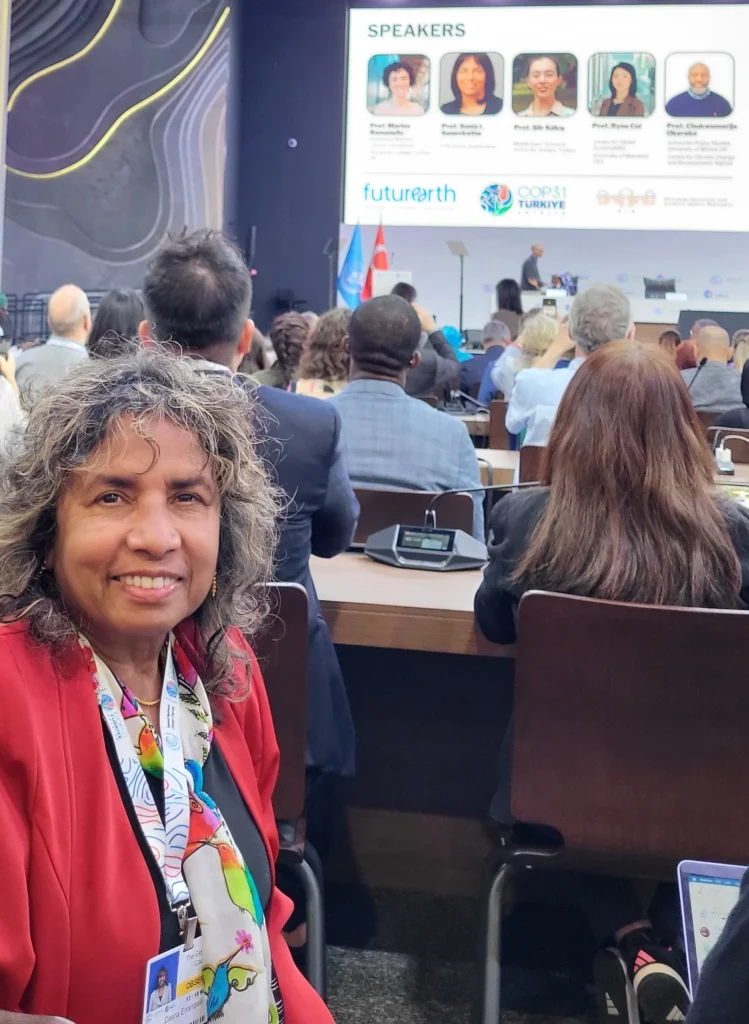
The plenary was titled Science update in a rapidly changing world: avoiding tipping points and managing overshoot. / COP31 Presidency.
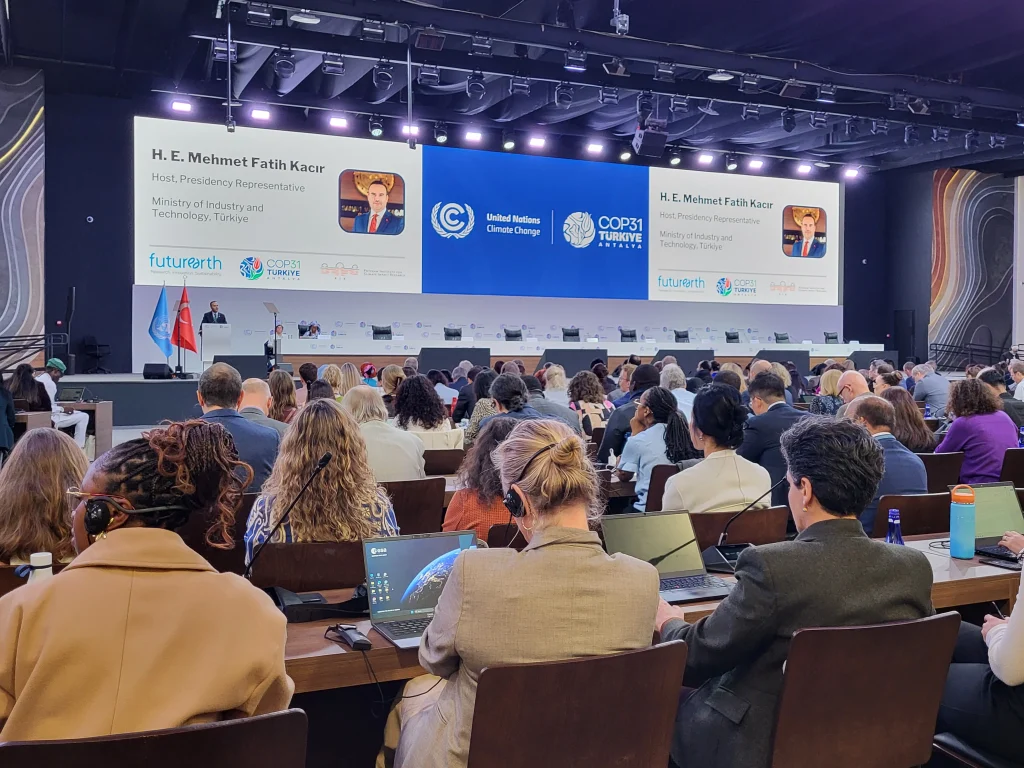
In his plenary opening remarks, Mehmet Fatih Kacır, Turkey’s Minister of Industry and Technology, said the COP31 Presidency aims to advance science-based implementation capable of delivering tangible results on climate change. Ministers of Science and Technology of three other countries also gave their speeches.
Prof. Johan Rockström, of the Potsdam Institute for Climate Impact Research (PIK), gave us the scientific state of the planet. He told us that Global warming is accelerating. 7 of 16 key planetary markers that regulate the resilience of sustainable life have been reached. Greenhouse gases are on the rise. Glaciers are melting. Most importantly, Earth’s energy imbalance is increasing rapidly. This is concerning. Supercharged El Niño is pushing all the boundaries this year.
As climate risks rise and the Earth approaches critical tipping points, the latest research/science offer vital insights for policy and decision-making.
The window is rapidly narrowing. We must work harder and faster to stop global warming. More information is available on the UNFCCC website.
Brain Prints
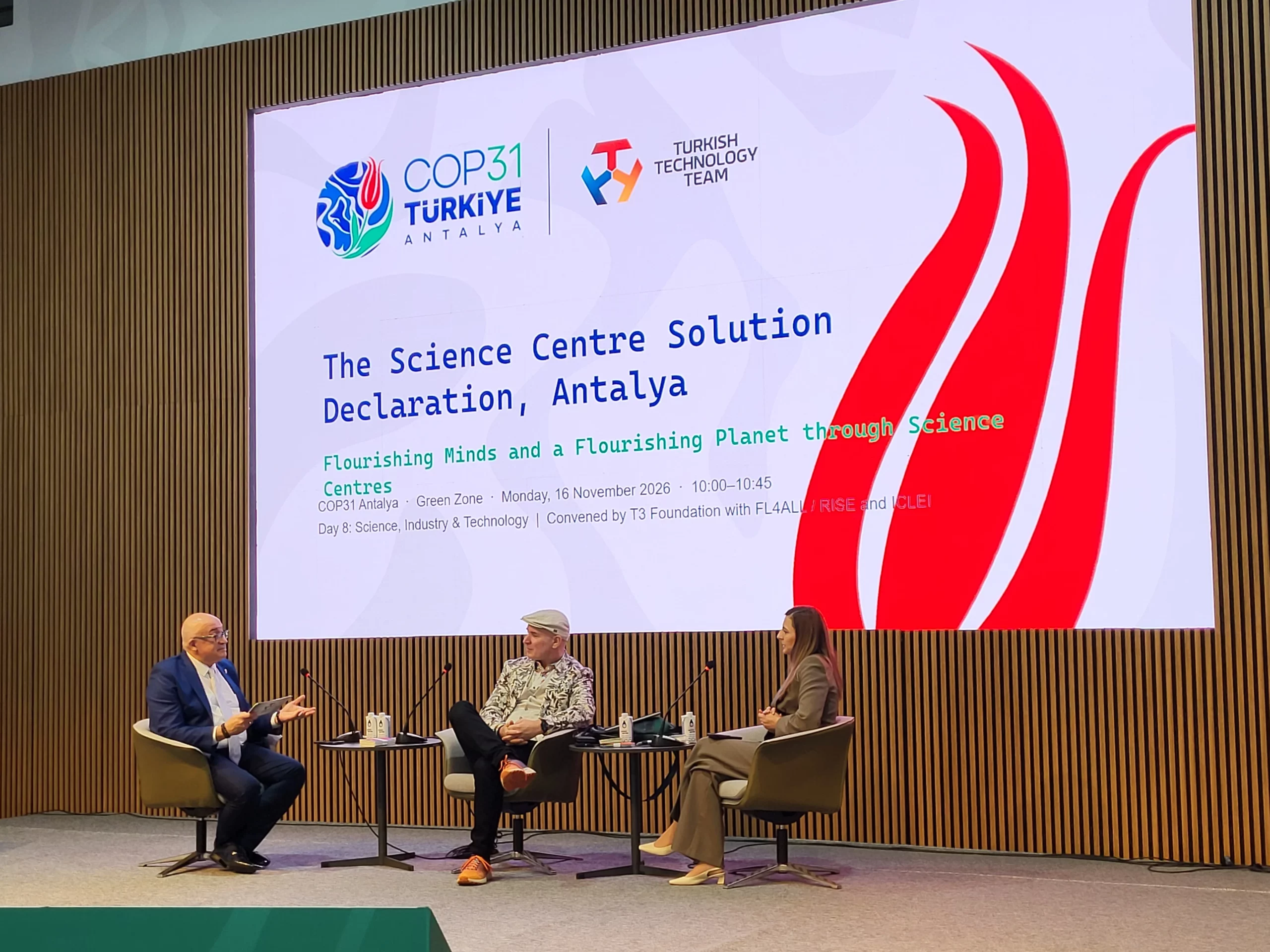
The Science Center Solution Declaration, launched during COP31, expands the traditional climate agenda by positioning science centers as dynamic spaces where people can imagine, understand, and build better futures.

Positive Brainprints: Moving beyond simply reducing environmental footprints or increasing positive handprints, the framework emphasizes “positive brainprints”— the ideas, values, empathy, and inspiration required to reshape human thinking and action.
Anatolian wheat
A drawing of Anatolian wheat was used in the Welcome mural at the entrance of the Meeting rooms building at COP31.
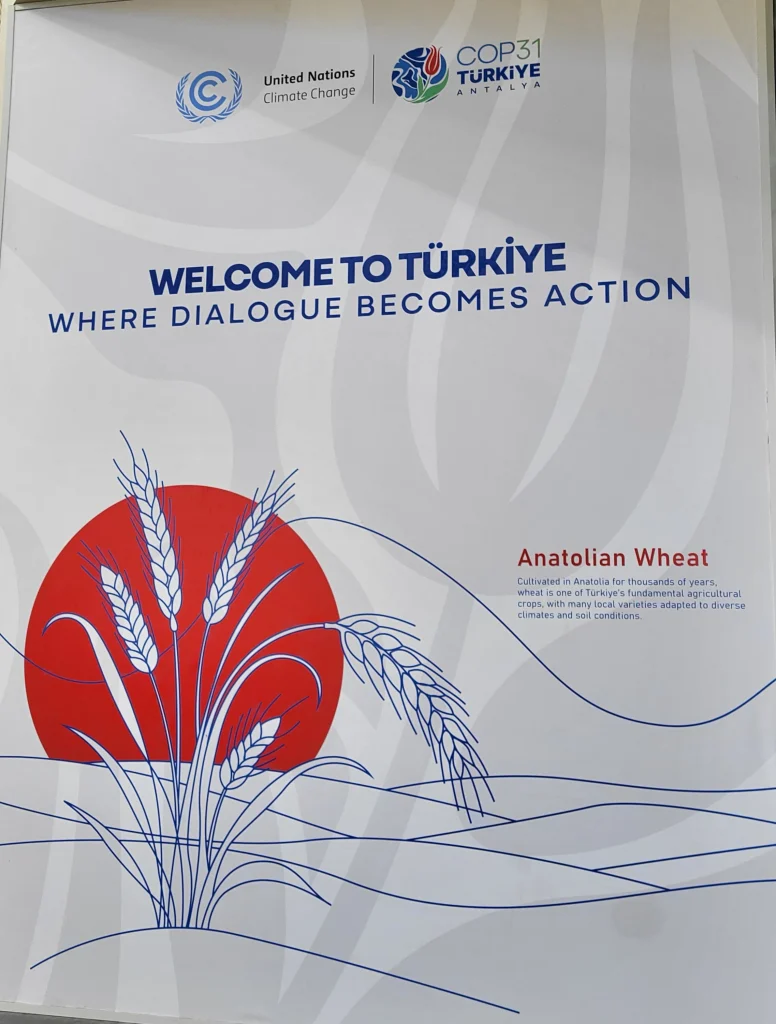
“Cultivated in Anatolia for thousands of years, wheat is one of Turkiye’s fundamental agricultural crops, with many local varieties adapted to diverse climates and soil conditions.”