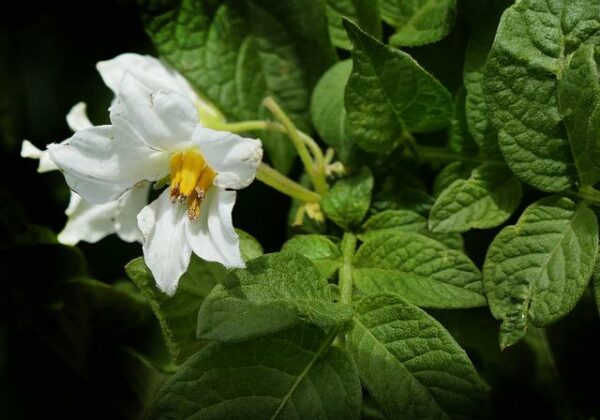


Airborne pollen may induce annoying congestion for some, but a new paper shows that these grains may provide a new way of looking at the climate over 300 million years into the fossil record.
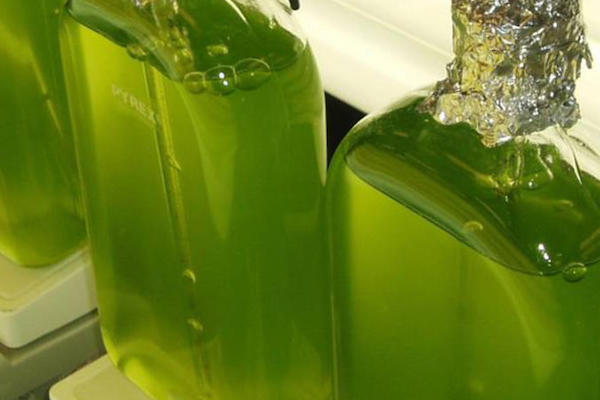
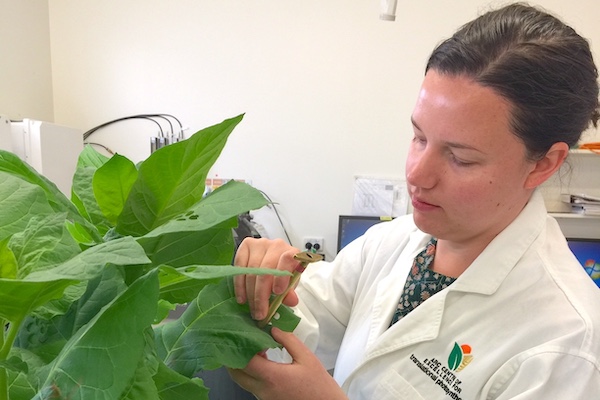
A new study describes a breakthrough in the quest to improve photosynthesis in certain crops, a step toward adapting plants to rapid climate changes and increasing yields to feed a projected 9 billion people by 2050.
For a tropical wildflower first described by scientists in 2000, the scientific name “extinctus” was a warning. The orange wildflower had been found 15 years earlier in an Ecuadorian forest that had since been largely destroyed; the scientists who named…
A collaborative research group has discovered the protein that inhibits the formation of organic nitrogen compounds in plants. This protein, if manipulated, could potentially be used to encourage plant growth, improving biomass production and crop harvests.
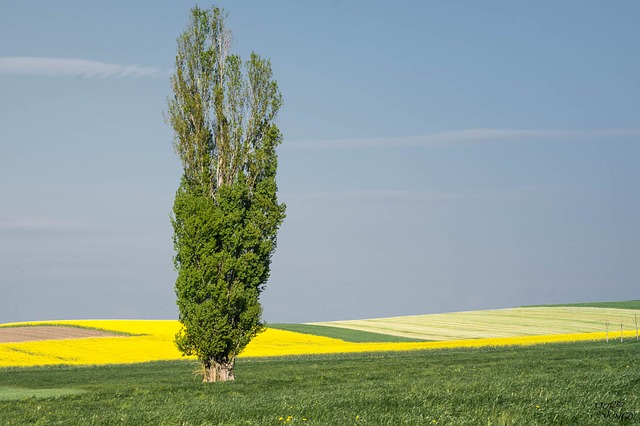
A new study shows that it took more than 10 millennia from when the first spruces returned to Sweden after the glacial stage of the last Ice Age until the species became widespread. This sluggish rate of initial dispersal has…
New research has discovered how natural responses to stress in plants modify the way DNA is wrapped up in the cell to help it withstand the adverse effects that climate change has on its growth.
While rain is essential for the survival of plants, it also contains bacteria and other pathogens which can cause them harm. So how do plants protect themselves from this threat?
A potentially invaluable resource for forest biodiversity and bioeconomy policymakers, a new data set shows current distributions of 67 European tree species and predicts their future distribution under two emissions scenarios.
Life on Earth runs in 24-hour cycles. From tiny bacteria to human beings, organisms adapt to alterations of day and night. External factors, such as changes in light and temperature, are needed to entrain the clock. Many metabolic processes are…