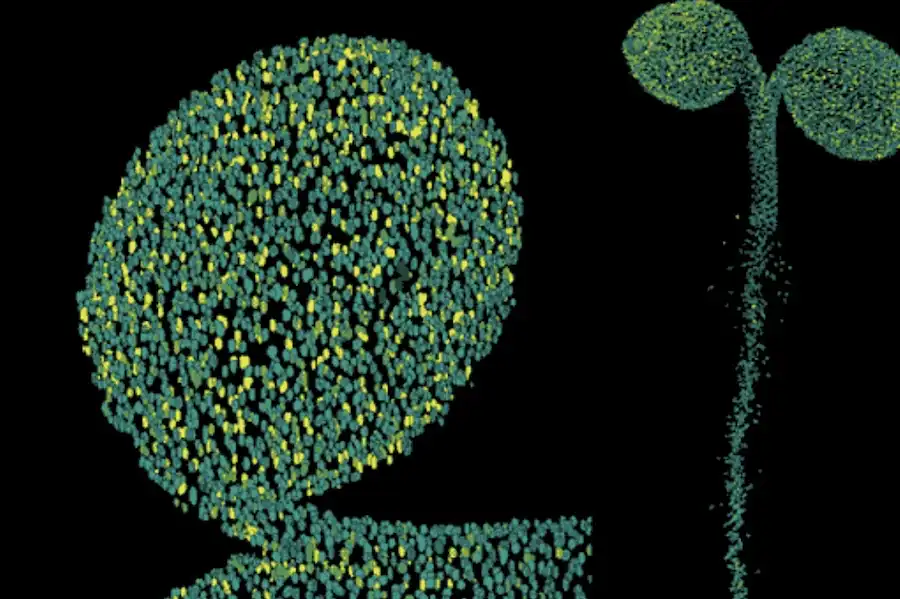
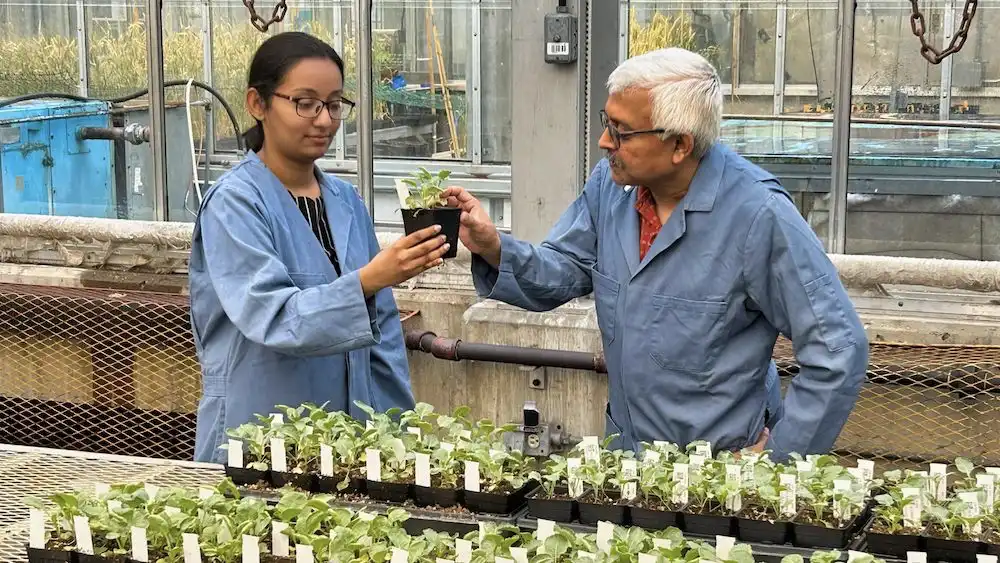
Scientists have discovered a new molecular signalling pathway, triggered when leaves are exposed to low humidity, that ensures plant roots keep growing towards water.
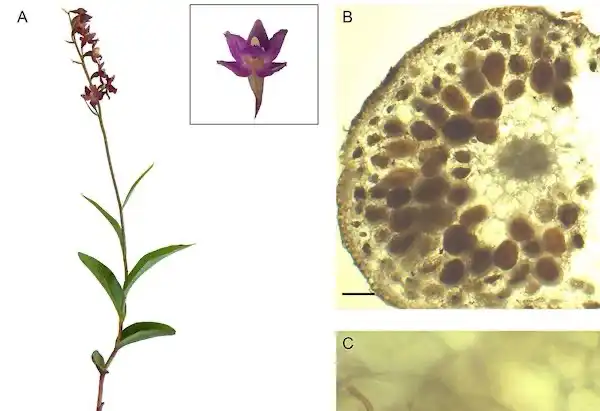
Most plants worldwide live in symbiosis with fungi. Often there is an exchange of nutrients from which both partners benefit. In numerous other cases, however, the plants feed unilaterally at the expense of the fungi. International research groups have presented…
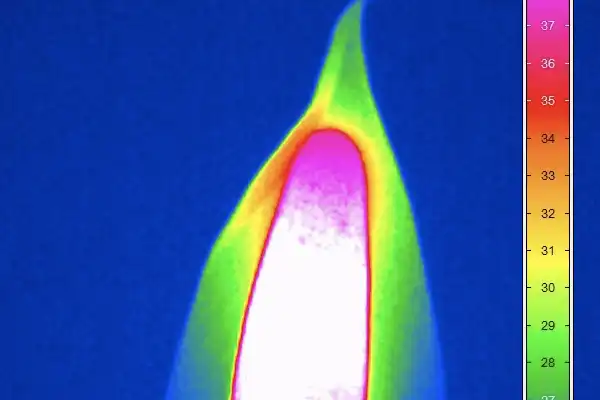
In a new study researchers have developed new approaches to compare and investigate the ability of plants in the genus Amorphophallus to produce their own heat, exploring the highly varied temperature patterns and their evolutionary significance.
Scientists have trained AI to unlock data from millions of plant specimens kept in herbaria around the world, to study and combat the impacts of climate change on flora.
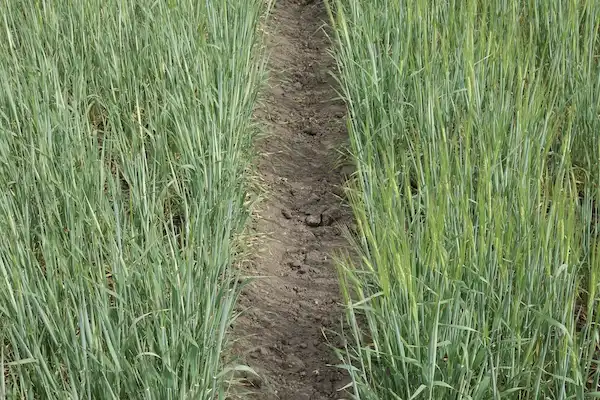
A tiny mutation in the genetic material of barley ensures that those plants develop faster and thus flower earlier than established barley varieties. At the same time, plant yields remain the same. According to the researchers, this is advantageous as…
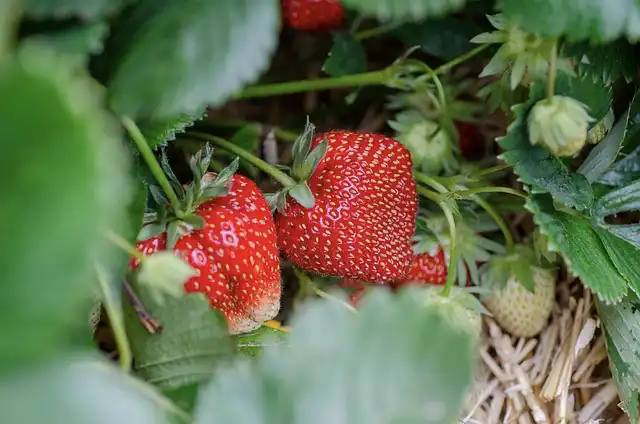
Hybrids -- common in agriculture as well as in nature -- have chromosomes from two or more parent species. In some cases, including strawberries, goldfish and several other species, these disparate parental chromosomes become doubled, a condition known as allopolyploidy.…
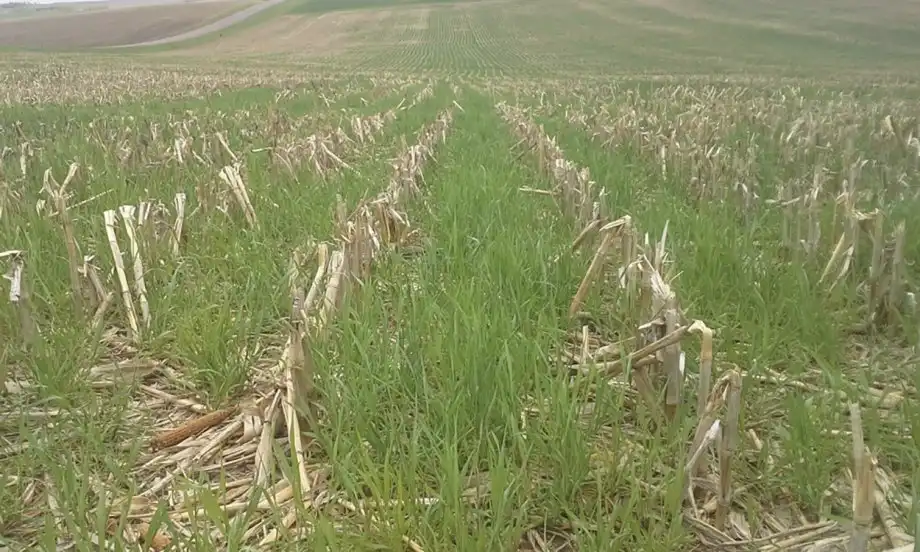
Worldwide, farmers are being challenged with a variety of issues, including growing populations, a changing climate and soil degradation, among many others. To combat these challenges, researchers are looking for solutions and have begun to focus their work on the…
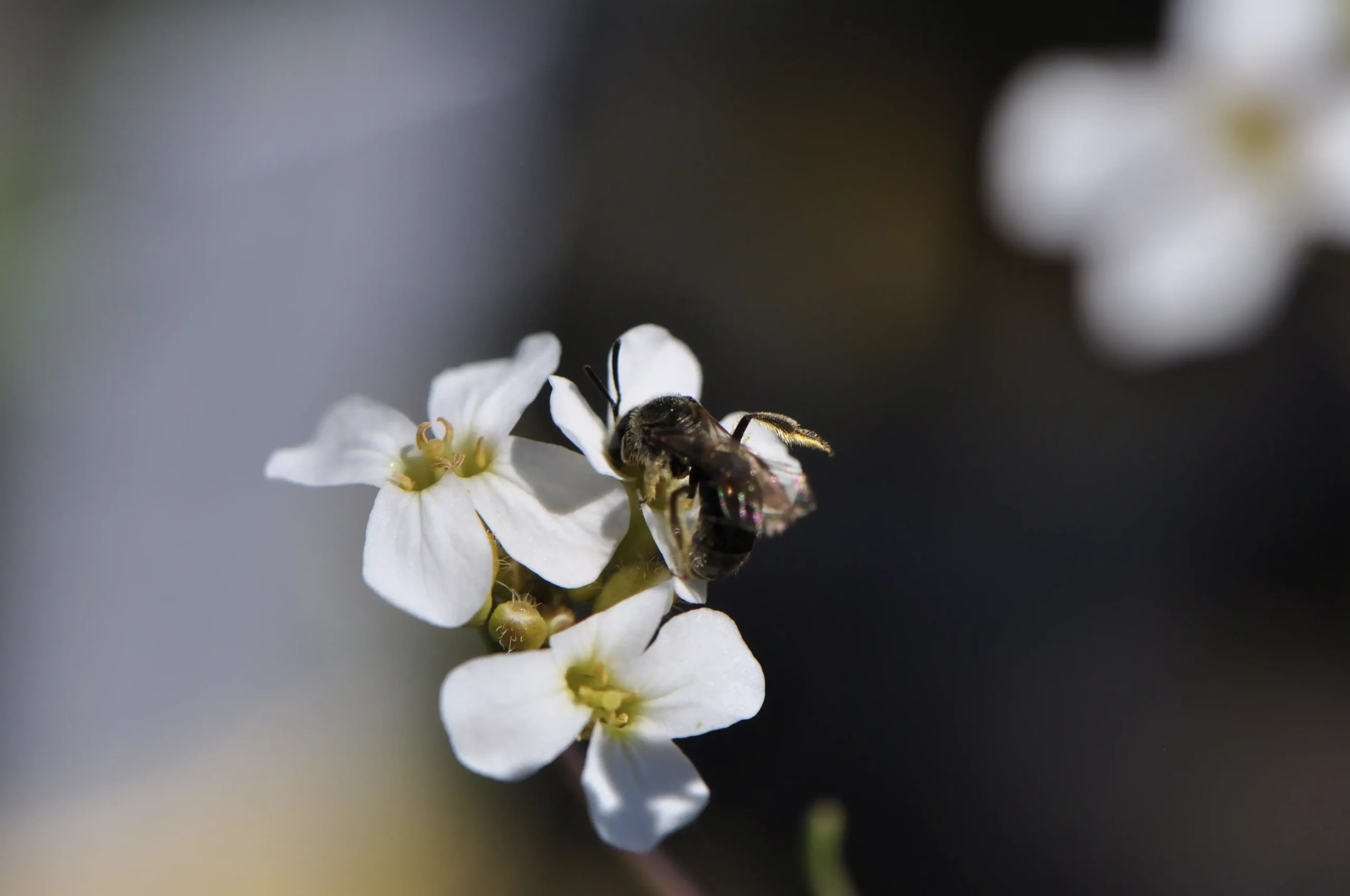
There are flowering plants that have the ability to self-pollinate, meaning that they can fertilise themselves without a partner. However, selfing also has clear negative consequences for the plants – first and foremost the loss of genetic variability and biological…
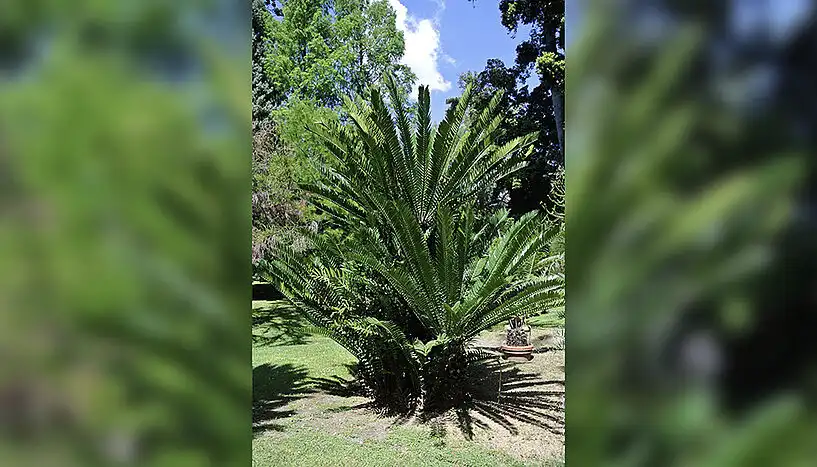
Paleobotanists have made an important breakthrough in understanding the origin and geographic distribution of cycads. By combining genetic data with leaf morphological data from both fossil and living species for the first time, the researchers created a phylogenetic tree of…