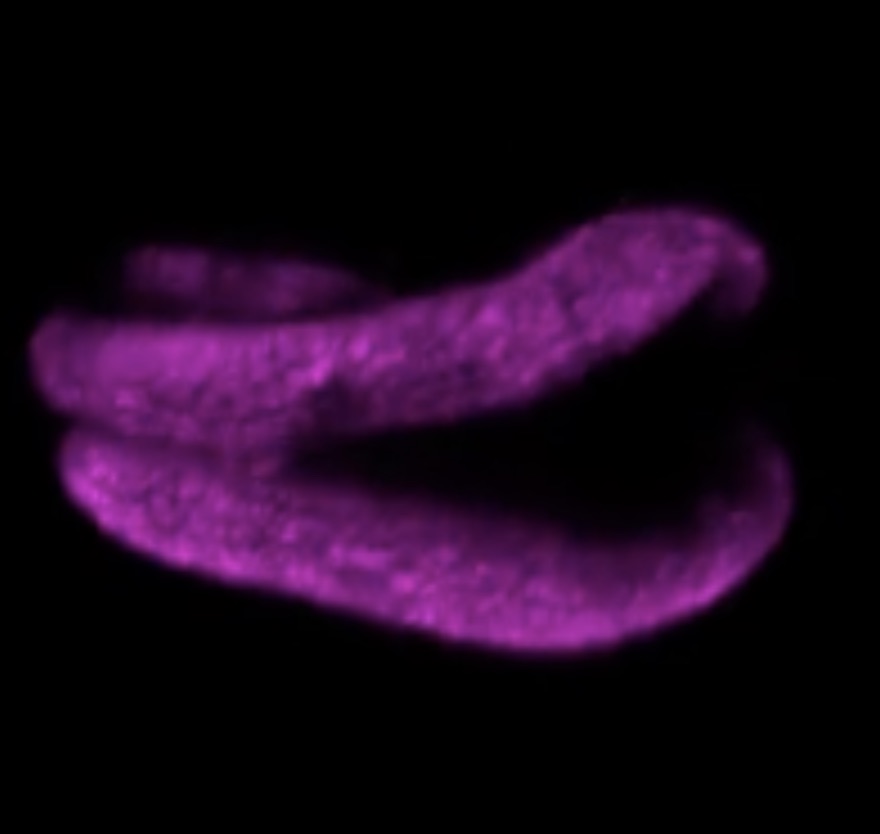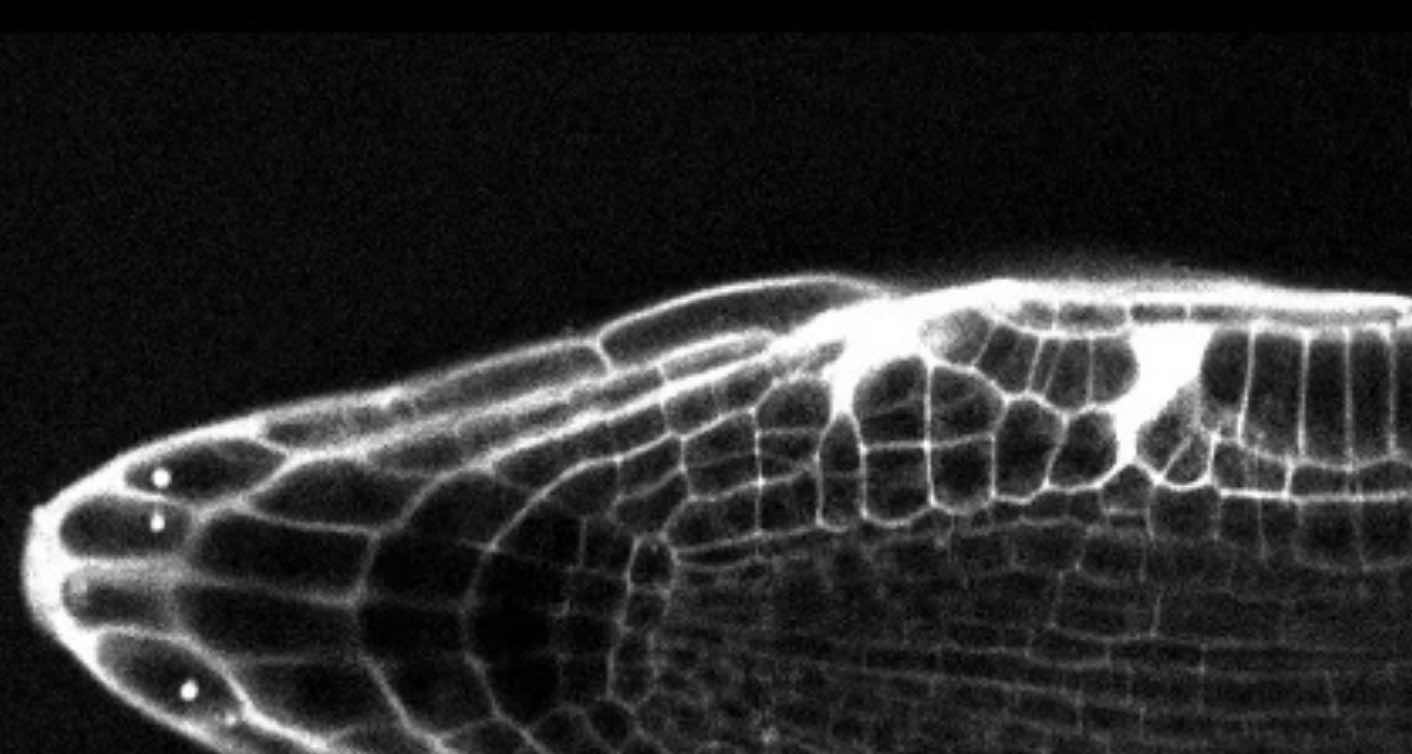

When we cut our fingers, blood rushes out of the wound to close it. However, the vegetable, we just wanted to slice and dice, would have reacted utterly different to this injury. Now scientists investigated how plant cells heal wounds.…
A virtual Workshop on the Development of National Gene Banks in the member states of the Organisation of Islamic Cooperation (OIC) was conducted online. The 160 participants examined issues of the development, conservation and exchange of plant and animal genetic…
Citrus greening disease (Huanglongbing of HLB), transmitted by the Asian citrus psyllid, is currently the biggest threat to the citrus industry and is threat to many parts of the world. In Florida alone, citrus greening disease has accounted for losses…
Amongst the world's most challenging problems is the need to feed an ever-growing global population sustainably. Securing the food supply is of paramount importance, and more attention must be given to the threat from fungal pathogens competing with us for…
The UN's Intergovernmental Panel on Climate Change (IPCC) claims that agriculture is one of the main sources of greenhouse gases, and is thus by many observers considered as a climate villain. This conclusion, however, is based on a paradigm that…
Producing fewer sperm cells can be advantageous in self-fertilizing plants. An international study has identified a gene in the model plant Arabidopsis that reduces the number of pollen. In addition to supporting the evolutionary theory, these findings could help to…
In a world first, researchers have discovered a plant that has successfully evolved to use ants—as well as native bees—as pollinating agents by overcoming their antimicrobial defenses.
A team of scientists has developed a way to potentially thwart the spread of a disease-causing bacterium that harms more than 100 plant species worldwide, an advance that could save the nursery industry billions a year.
Some plants, like soybean, are known to possess an innate defense machinery that helps them develop resistance against insects trying to feed on them. However, exactly how these plants recognize signals from insects has been unknown until now. Scientists uncover…
As a plant grows, it moves cellular material from its version of manufacturing sites to the cell wall construction zone. Transporter proteins, called motor proteins, are thought to move these cell wall cargo via a complex highway system made up…