
By Naveenkumar Muthiah (Graduate student, National Institute of Plant Genome Research (BRIC-NIPGR), New Delhi, India)
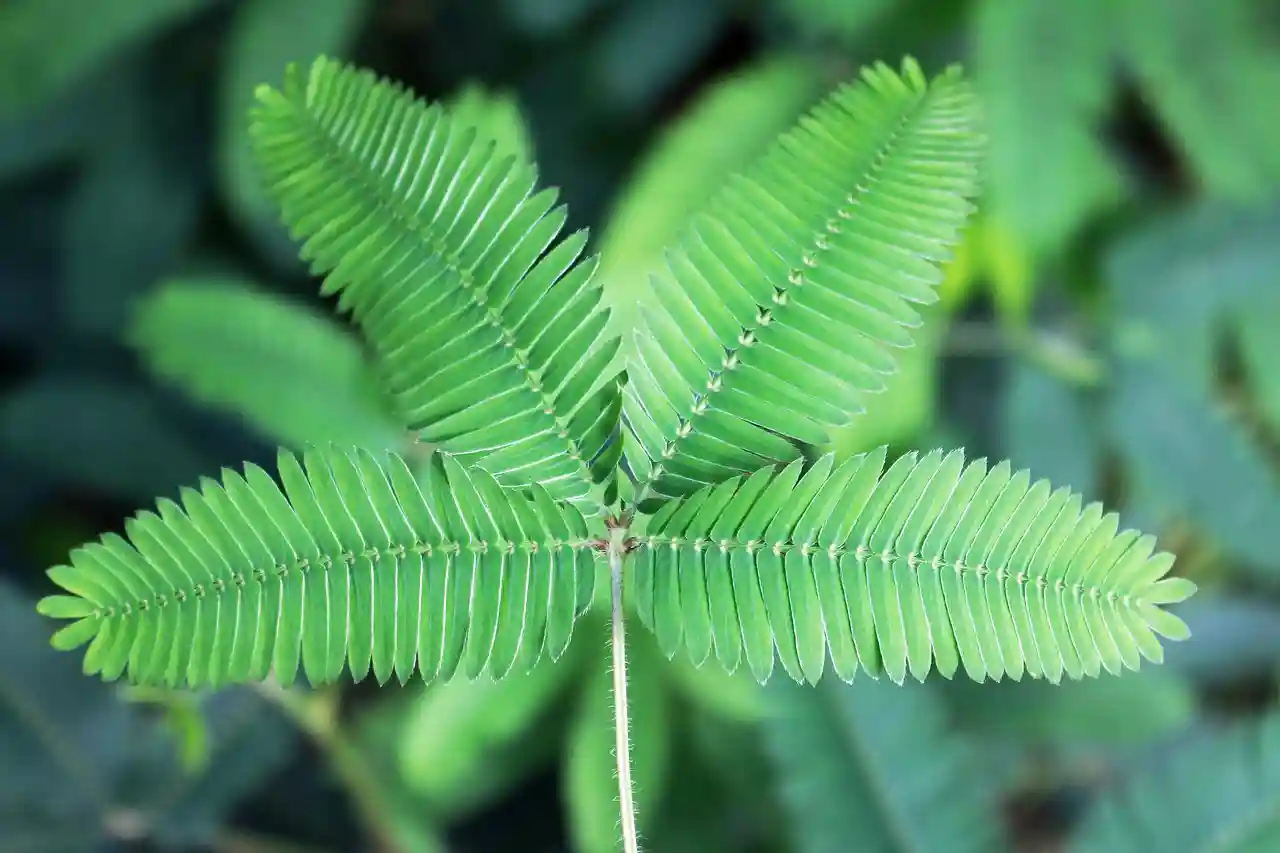
A single touch causes a Mimosa pudica leaf to fold shut almost immediately, a natural defensive reflex. Researchers found they could trigger the same reflex by gently dropping the potted plant a short distance instead. In one trial, they did this sixty times in a single sitting. By the final few drops, the plant had stopped reacting. That was not fatigue: shaking the plant right afterward still produced a normal folding response. The plant had simply learned that the drop posed no threat, and in some cases that lesson lasted a month.
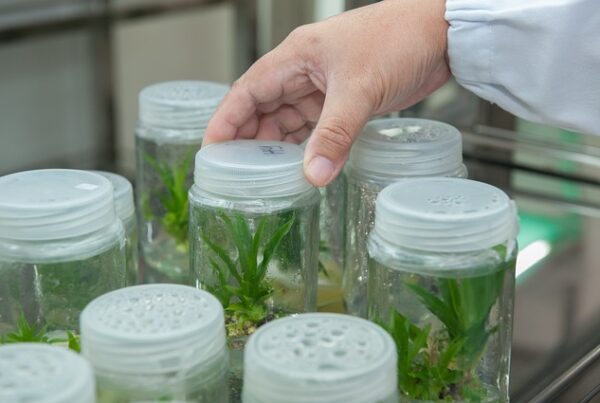
Such behavior is unexpected. Plants have no brain and no nervous system. Nothing in their physiology resembles a memory system in the conventional sense. Even so, researchers have documented similar changes in response, based on prior experience, across many plant species. In 2024, a team at the University of Lethbridge in Canada extended this question further. Instead of studying a single plant, they tracked an entire lineage across multiple generations. A population of Arabidopsis thaliana was exposed to repeated cold stress for 25 consecutive generations.
A Plant’s Own Kind of Memory
Before discussing the results, it helps to clarify how scientists use the word “memory” here. That does not mean a plant consciously recalls a past event; the concept is simpler than that. If a plant experiences a stress, such as cold or drought, it may respond faster or more strongly the next time that same stress occurs. Scientists call this priming. Priming typically involves an epigenetic mark, a chemical modification that remains on the relevant genes after the first stress. That mark acts somewhat like a signal, telling the cell to activate the gene more quickly in the future. Normally, the marker fades over time. The Lethbridge team, led by Igor Kovalchuk, wanted to know what would happen if the stress never stopped.
A Lineage Frozen in Time
To find out, the team compared two lineages. One had been exposed to cold stress for 25 consecutive generations. The other, used as a control, had never been stressed at all. The comparison revealed two clear differences.
First, the stress-exposed lineage carried more mutations than the control group. These were permanent changes in the DNA sequence, and some were severe enough to alter the proteins the plant produces. Second, the stress-exposed lineage showed a different pattern of DNA methylation, the epigenetic mark described earlier. Overall, this lineage had lost more of these marks than the control group had.
One finding stands out. These markers are generally expected to be temporary. Losing methylation at specific sites, however, may contribute to permanent mutation. The reason: the marker itself becomes chemically unstable once removed. A temporary modification, in effect, may have led to a lasting genetic change.
Tougher Crops for a Warmer World
These findings carry weight beyond a single laboratory study. If stress exposure can leave a lasting, heritable mark on a plant’s DNA, this could be useful for breeding climate-resilient crops. Exposing a crop to mild stress early in its development, for example, might produce offspring that are naturally more resilient to future stress, without introducing any new gene.
The finding also touches on a theme GPC has addressed before. In 2015, GPC held a Stress Resilience symposium focused on crop adaptation. The same question resurfaces here: how quickly can wild plant populations adapt as extreme weather events become more frequent? These results challenge a common assumption: that plant stress memory is generally temporary and easily reset. In this species at least, such changes can persist across many generations. Whether the same holds true in other species and stress types remains an open question.
The Limits of Plant “Memory”
The term “memory” needs a careful qualification here. These findings do not mean that plants think or experience stress the way humans do. Some prominent claims about plant learning have not held up well. A widely publicized claim that pea plants could be Pavlovian-conditioned, for instance, did not hold up under independent replication. Such distinctions matter when evaluating claims about plant cognition.
The evidence that holds up is narrower in scope, but more significant. Stress experienced by earlier generations produced measurable, heritable change recorded directly in the plant’s genome. For a more narrative account, see this Atlas Obscura article on a Mimosa pudica that held onto a similar kind of memory. In the Arabidopsis study, the effects of cold stress remained detectable even after 25 generations.
References
- Rahman, A., Yadav, N. S., Byeon, B., Ilnytskyy, Y., & Kovalchuk, I. (2024). Genomic and epigenomic changes in the progeny of cold-stressed Arabidopsis thaliana plants. International Journal of Molecular Sciences, 25(5), 2795.
- Gagliano, M., Renton, M., Depczynski, M., & Mancuso, S. (2014). Experience teaches plants to learn faster and forget slower in environments where it matters. Oecologia, 175(1), 63-72.
- Markel, K. (2020). Lack of evidence for associative learning in pea plants. Elife, 9, e57614