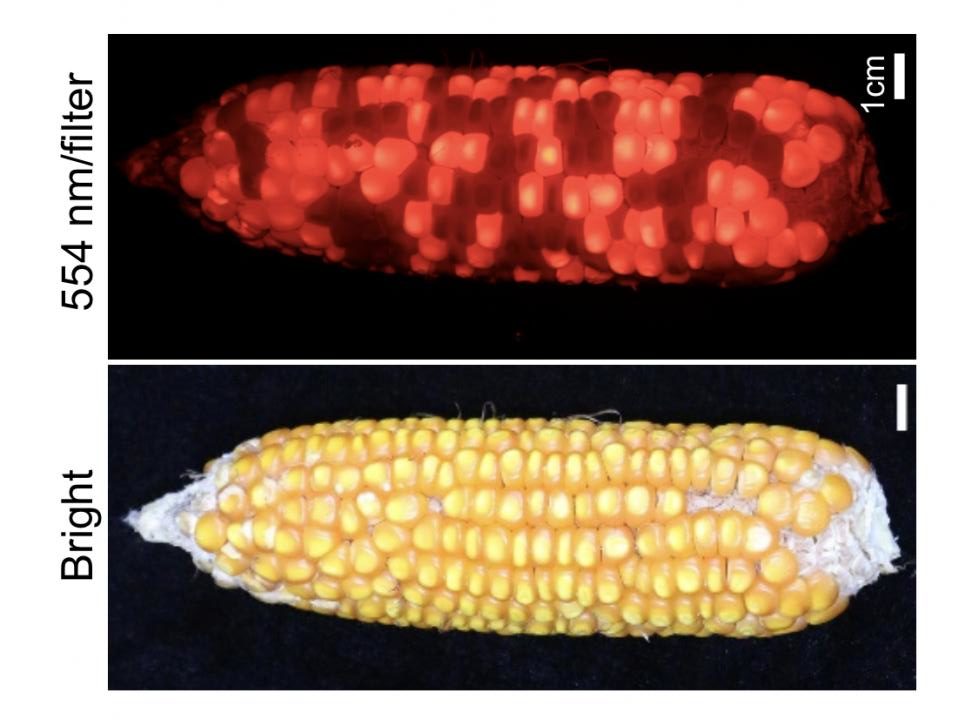


A new study has analyzed one environment-sensitive genic male sterile (EGMS) line that exhibited fertility transition under specified environmental conditions.
After several years of experimentation, scientists have engineered thale cress, or Arabidopsis thaliana, to behave like a succulent, improving water-use efficiency, salinity tolerance and reducing the effects of drought. The tissue succulence engineering method devised for this small flowering plant…
Many small regulatory elements, including miRNAs, miRNA binding sites, and cis-acting elements, comprise only 5~24 nucleotides and play important roles in regulating gene expression, transcription and translation, and protein structure, and thus are promising targets for gene function studies and…
A research team’s model to explain photosynthesis lays out the next challenging phase of research on how green plants transform light energy into chemical energy
Alpine regions on the Tibetan Plateau are sensitive to climate change, however, little is known about their long-term hydroclimate variability due to short instrumental records. A research team established a 537-year standard shrub-ring chronology by cross-dating living and dead Wilson…
Forest conservation areas in oil palm plantations play a vital role in storing carbon and boosting rainforest biodiversity, a new study on palm oil agriculture in Borneo has revealed.
When cells don’t divide into proper copies of themselves, living things fail to grow as they should. For the first time, scientists now understand how a protein called TANGLED1 can lead to accurate cell division in plants.
Wheat, in its own right, is one of the most important foods in the world. It is a staple food for more than 2.5 billion people, it provides 20% of the protein consumed worldwide and, according to the FAO, supplies…