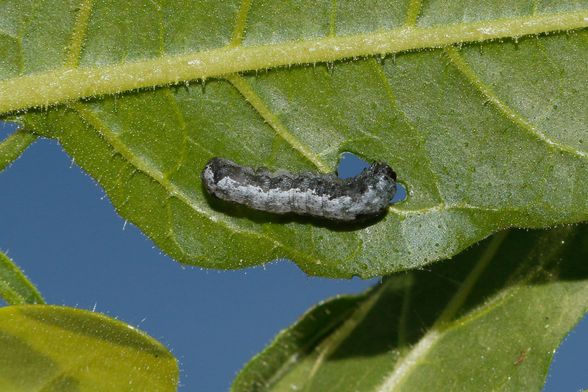
High-throughput analyses of small substances in Nicotiana attenuata reveal that plants re-organize their metabolism to produce highly-specific defense metabolites after insect attack
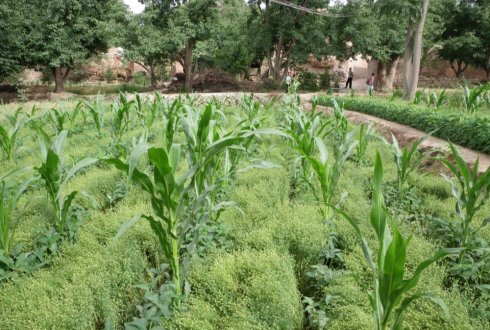
Intercropping, or the simultaneous cultivation of multiple crops on a single plot of land, can significantly increase the yield, not only of low input agriculture, but also of intensive agriculture, and reduce the use of fertilisers.
In the course of the COVID-19 pandemic, scientists are facing great challenges because they have to reorient, interrupt or even cancel research and teaching. International researchers demand the active protection and support of diversity, equity and inclusion in science.
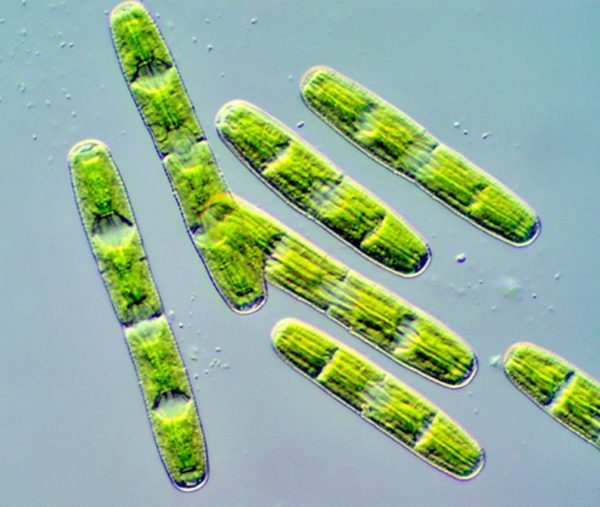
Researchers have sequenced and analyzed the genome of a single-celled alga that belongs to the closest lineage to terrestrial plants and provides many clues to how aquatic plants first colonized land.
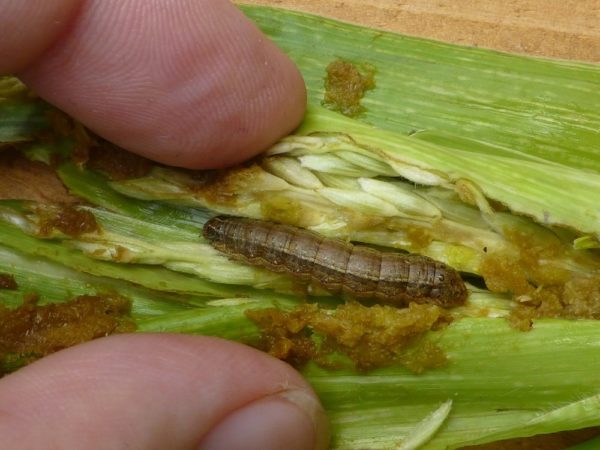
A new study is calling for governments to reallocate subsidies to encourage the use of lower risk control options – such as biopesticides – in the fight against the devastating maize pest fall armyworm (FAW).
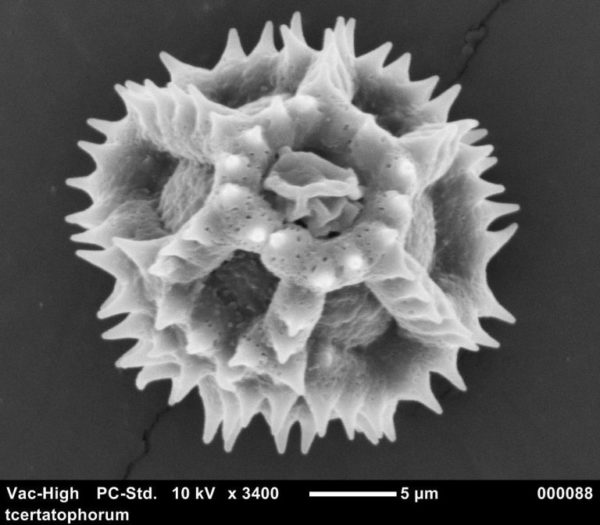
Over 80% of the world’s flowering plants must reproduce in order to produce new flowers, according to the U.S. Forest Service. This process involves the transfer of pollen between plants by wind, water or insects called pollinators — including bumblebees.…
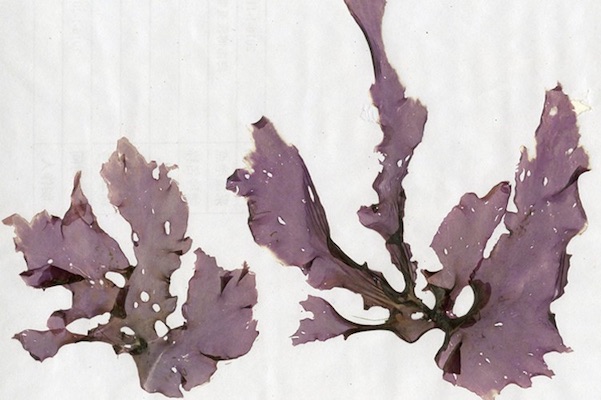
Researchers have discovered a new species of seaweed Calidia pseudolobata as well as four new genera of red algae from the warm waters of China. The research suggests there are many new species yet to be discovered – with potential…
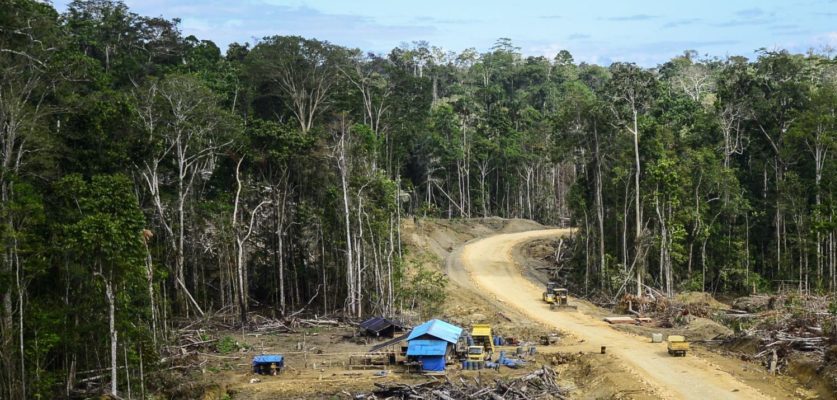
The global COVID-19 pandemic has shed light on the importance of certain previously little-studied scientific areas such as the relationships between ecosystems, their biodiversity and the emergence of new infectious diseases.
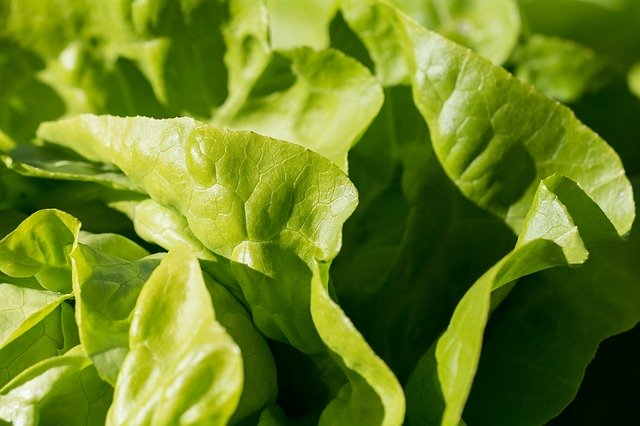
Scientists have identified five Romaine lettuce varieties that both brown less quickly after fresh-cut processing and are slower to deteriorate postharvest. They also are determining the genetic basis for deterioration.
The native guava is one of the first Australian plants to be pushed to the brink of extinction by a fungal plant disease which has spread rapidly across the globe, according to a new study.