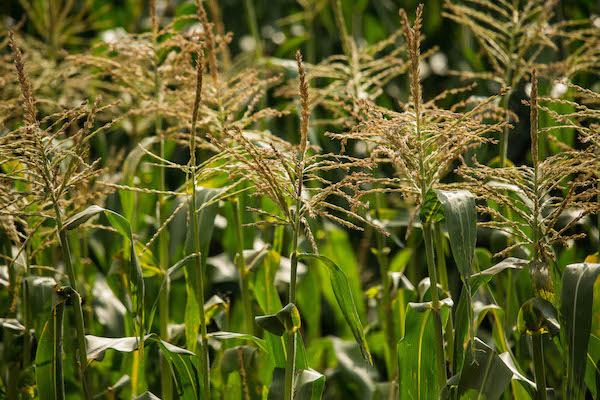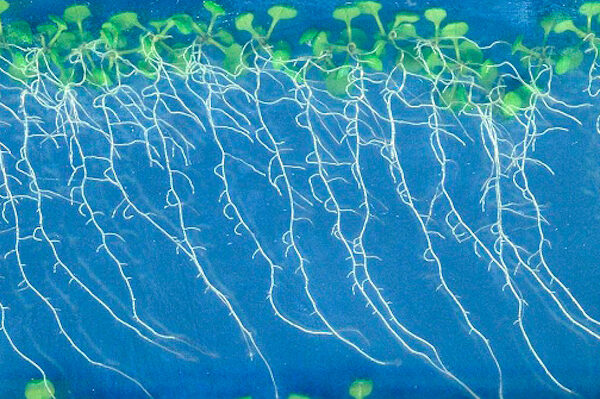

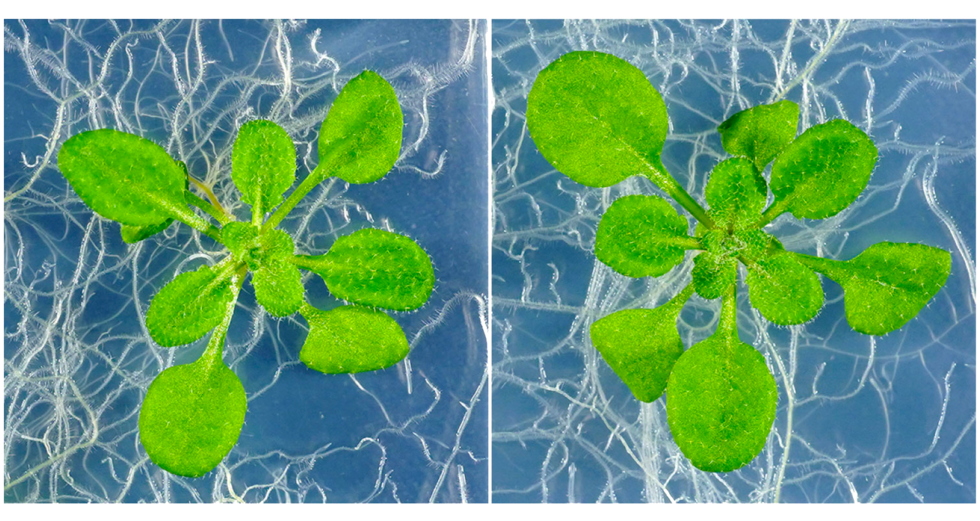
Crops often face harsh growing environments. Instead of using energy for growth, factors such as disease, extreme temperatures, and salty soils force plants to use it to respond to the resulting stress. This is known as the “growth-stress response trade-off".…
Read More
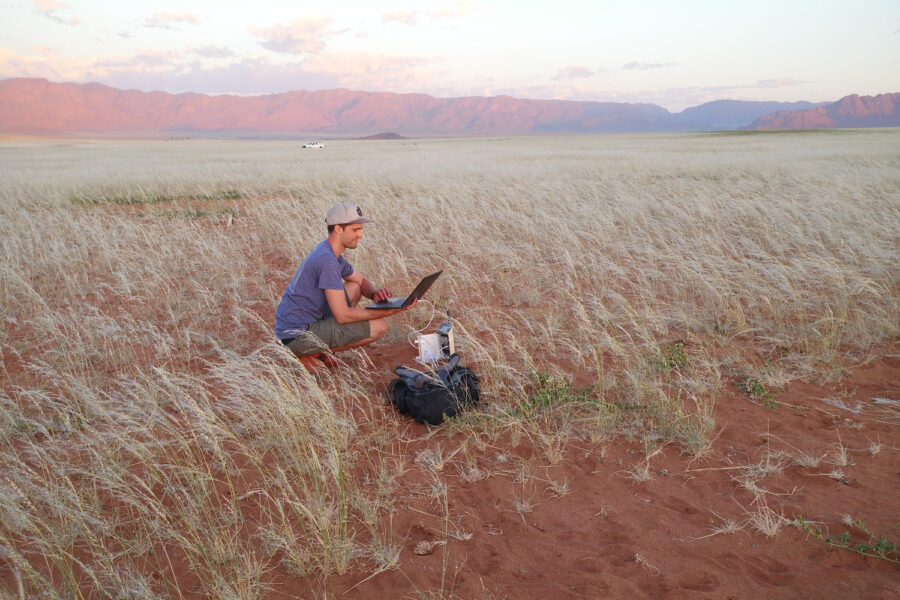
Scientists have puzzled over the origin of Namibia’s fairy circles for nearly half a century. It boiled down to two main theories: either termites were responsible, or plants were somehow self-organizing. Now, researchers benefitting from two exceptionally good rainfall seasons…
Read More
A mechanism used by a fungal pathogen to promote spread of the devastating cereal crop disease, blast, has been revealed in fine detail.
Read More
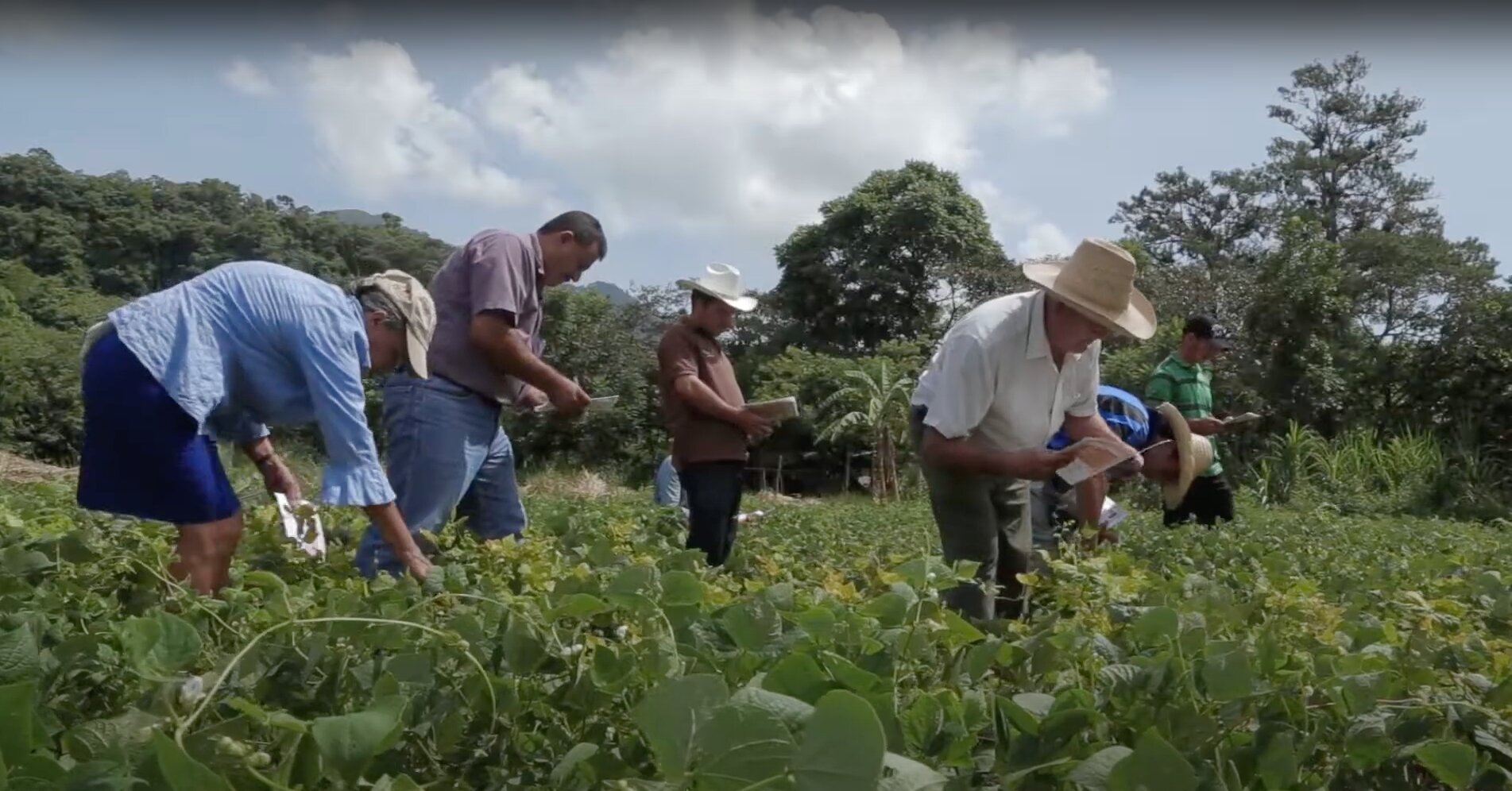
Farmers are becoming more involved than ever in the work of developing new, sustainable crop varieties, with a recent Alliance study showing how a “citizen science” approach for on-farm experimentation called tricot, generated agricultural data via local organizations in Central…
Read More
Over the last two centuries, human actions have resulted in rising temperatures, a massive carbon imbalance, and tremendous biodiversity loss. However, there are cases in which human stewardship seems to help remediate this damage. Researchers examined tropical forests across Asia, Africa…
Read More
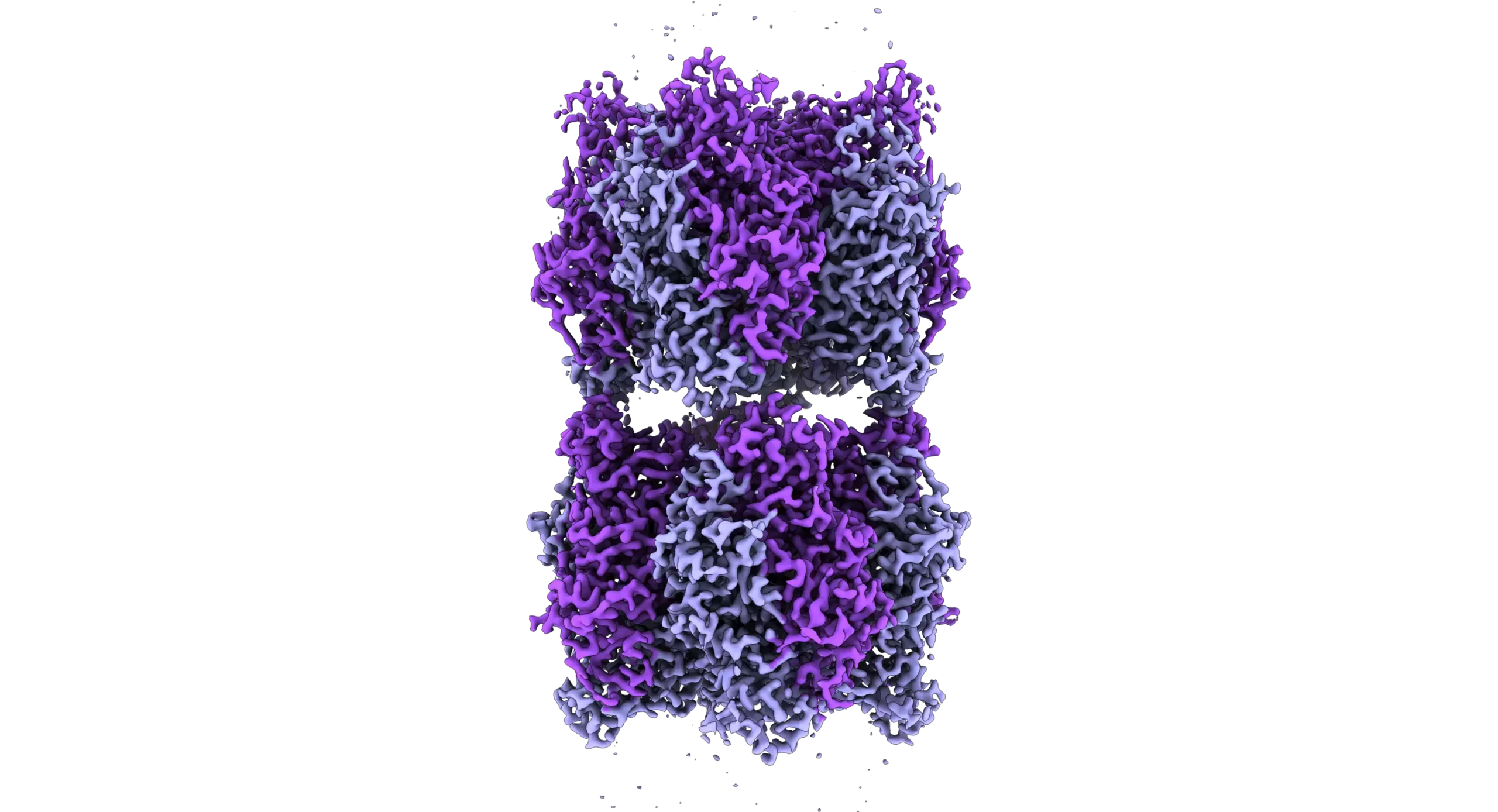
The central biocatalyst in photosynthesis, Rubisco, is the most abundant enzyme on earth. By reconstructing billion-year-old enzymes, a team of Max Planck Researchers has deciphered one of the key adaptations of early photosynthesis. Their results not only provide insights into…
Read More
A research team has measured the dynamic leakiness of CO2 from C4 plants. Previous studies had measured the leakiness under steady-state conditions, but this group took the measurements to prove that leakiness can and should be measured as a dynamic parameter.
Read More
Biologists have revealed how plants suppress the formation of stomata, the microscopic pores on their surface, to limit water loss during drought conditions.
Read More
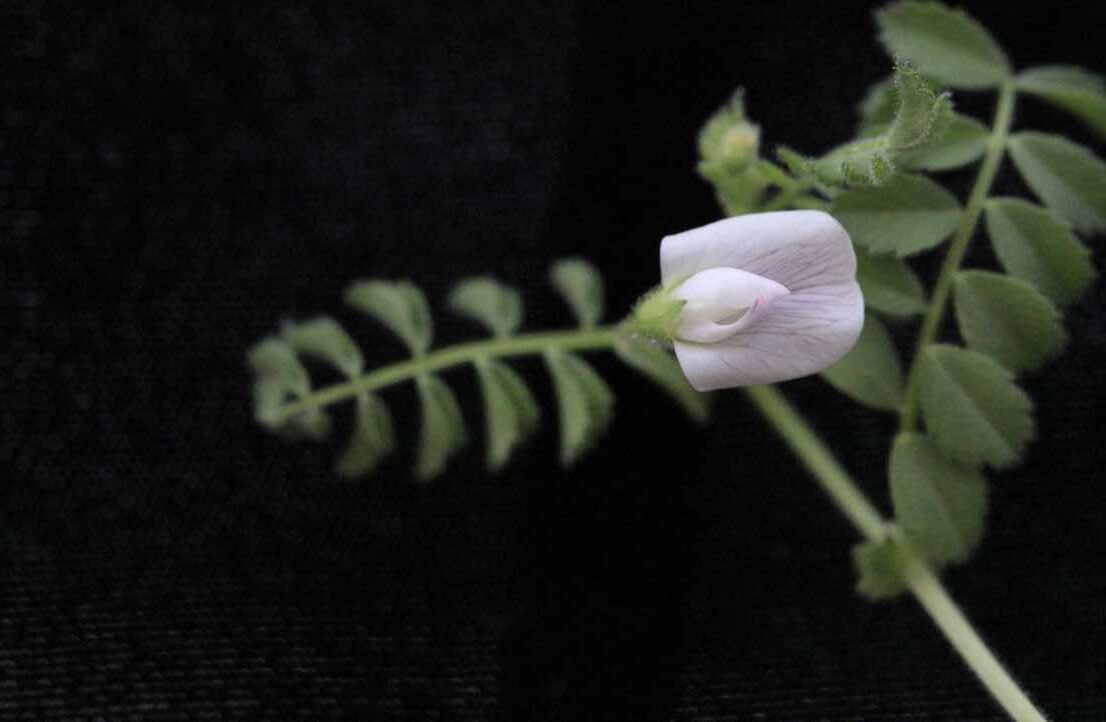
Flower and seed coat colour are important agronomic traits in chickpea that influence consumer preference. Based on their cultivation globally, this legume crop is categorized as “desi” or “kabuli”. Seeds of desi-type chickpeas are generally dark brown and angular with…
Read More
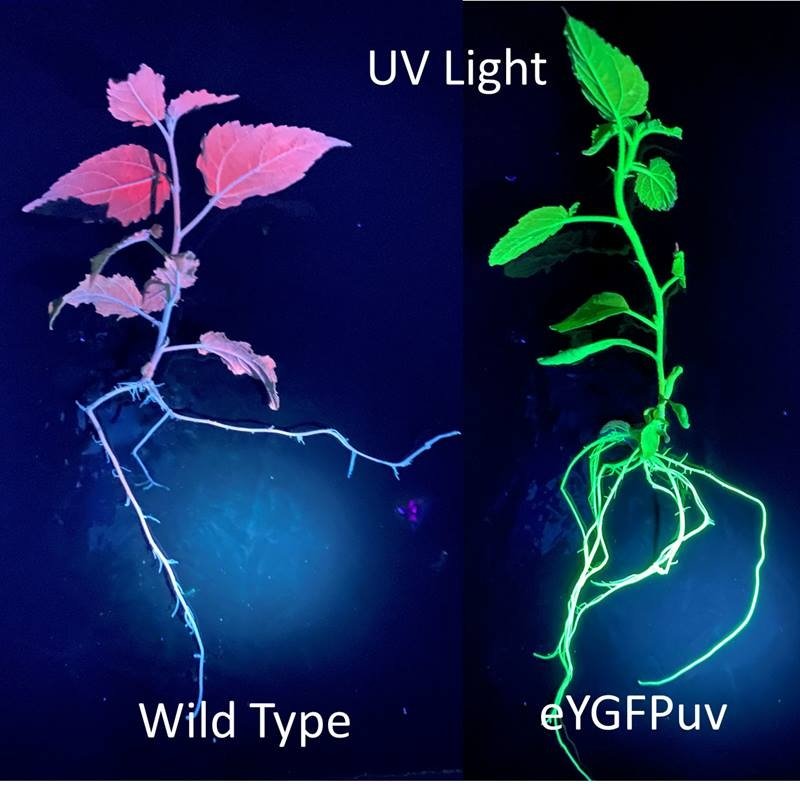
Biologists often use green fluorescent protein (GFP) to see what happens inside cells. GFP, which scientists first isolated in jellyfish, is a protein that changes light from one color into another. Attaching it to other proteins allows researchers to find…
Read More