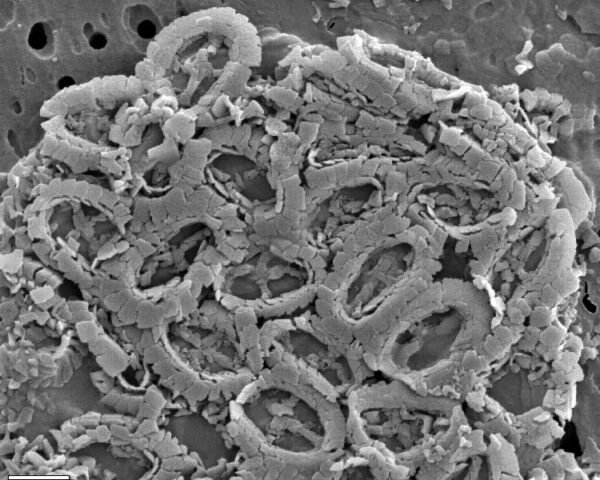
More than 66 million years ago, an asteroid impact led to the extinction of almost three-quarters of life on Earth. The little life that was left had to struggle, and research into its tenacity can provide key insights into how…
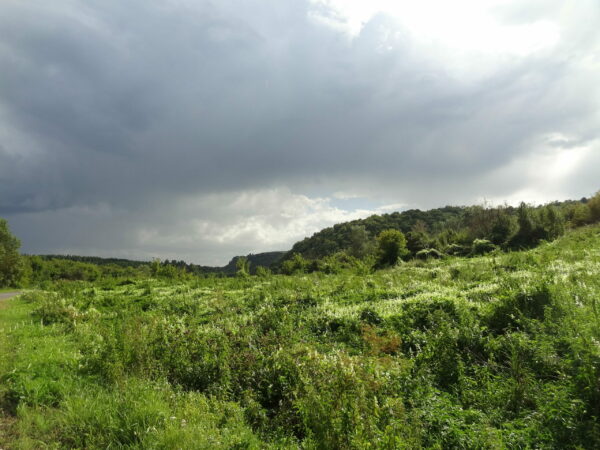
Naturalized alien plants are causing a worldwide decline in the uniqueness of regional floras, according to the results of a global research project led by biologists.
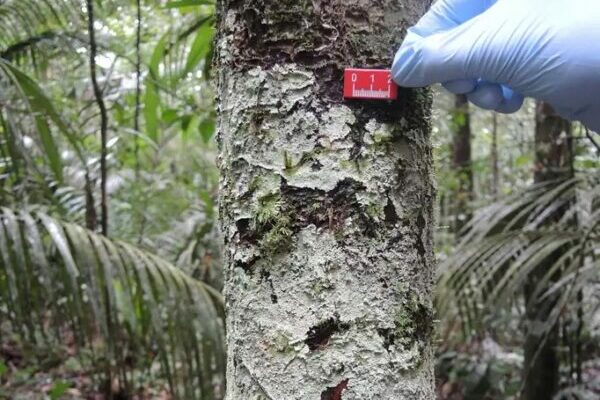
Mosses and lichens in tropical rainforests emit highly reactive and particle-forming molecules that affect air quality, climate, and ecosystem processes.
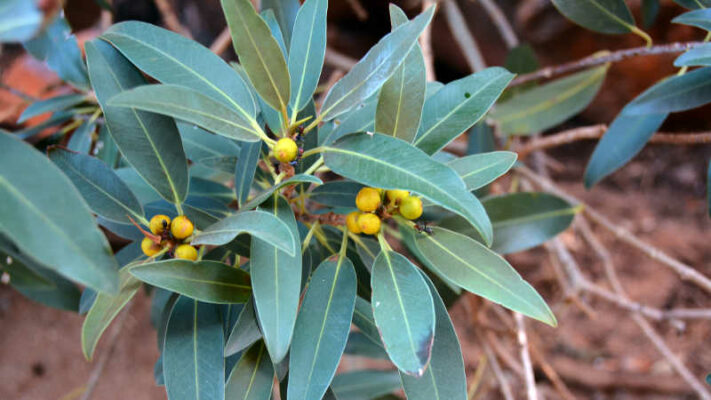
Figs are one of the world’s most recognisable trees and extensively used by First Nations peoples, but until recently a single widespread species, Ficus brachypoda, was the only kind recognised in central Australia.
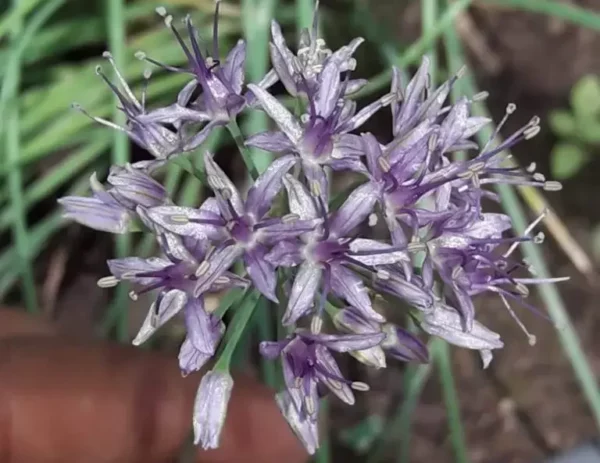
The genus Allium contains about 1,100 species worldwide, including many staple foods like onion, garlic, scallion, shallot and chives. Even though this group of vegetables has been making appearances at family dinners for centuries, it turns out that it is a long…
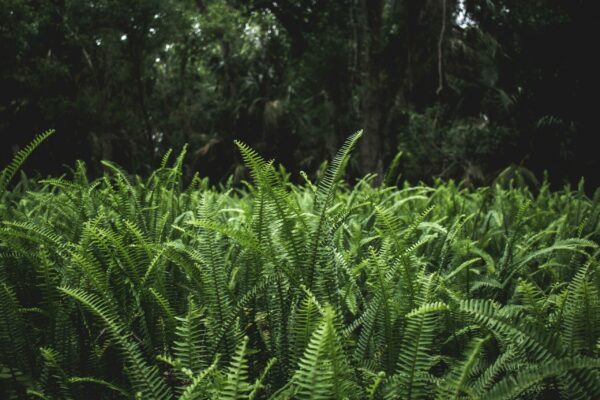
Ferns are the second most species rich lineages of land plants and highly suitable to test the association between genome diversity and lineage diversification. Many studies have recovered substantial differences in genome diversity. However, less attention has been given to ferns.
Researchers have concluded that tree fecundity peaks or plateaus when trees reach adult size, and then begins to decline. The study examines 597 species from more than 500 sites in North America, South America, Asia, Europe and Africa. This work…
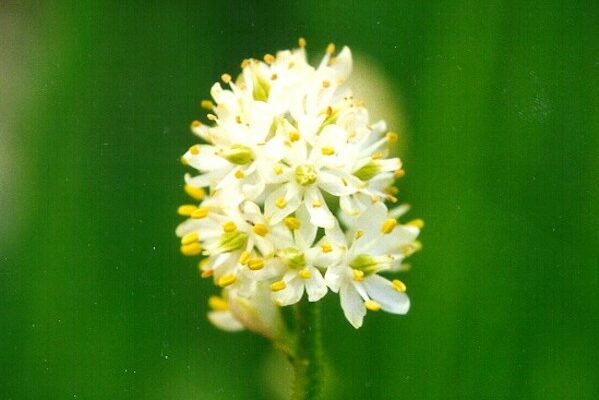
Triantha occidentalis makes its home in wetlands and bogs from Alaska to California and inland to Montana. In the summer, it shoots up tall flowering stems coated with sticky hairs that trap small insects like gnats and midges. The scientists discovered…