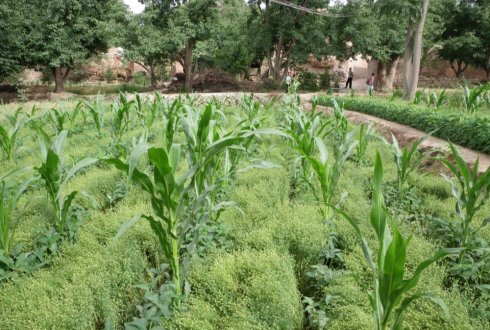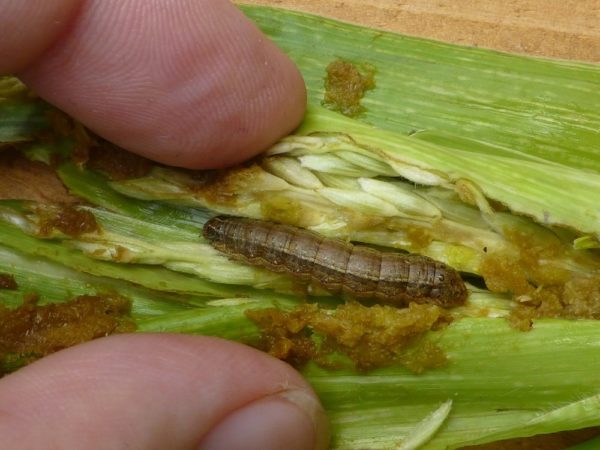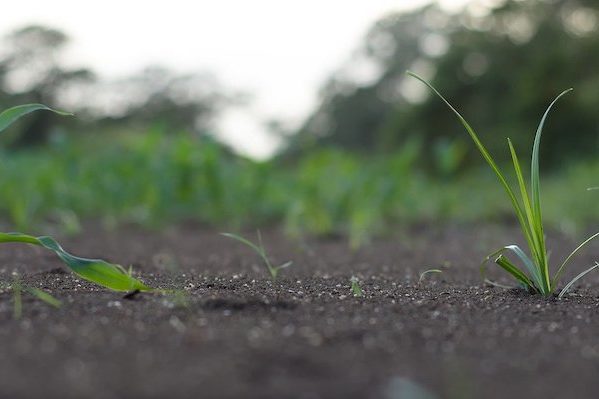

A new study is calling for governments to reallocate subsidies to encourage the use of lower risk control options – such as biopesticides – in the fight against the devastating maize pest fall armyworm (FAW).
Over 80% of the world’s flowering plants must reproduce in order to produce new flowers, according to the U.S. Forest Service. This process involves the transfer of pollen between plants by wind, water or insects called pollinators — including bumblebees.…
A team of researchers has developed an innovative software program for the simulation of breeding programmes. The "Modular Breeding Program Simulator" (MoBPS) enables the simulation of highly complex breeding programmes in animal and plant breeding and is designed to assist…
To make climate scenarios work for decision-makers, an international team of researchers developed a comprehensive interactive online platform. It is the first of its kind to provide the tools to use those scenarios – from climate impacts to mitigation and…
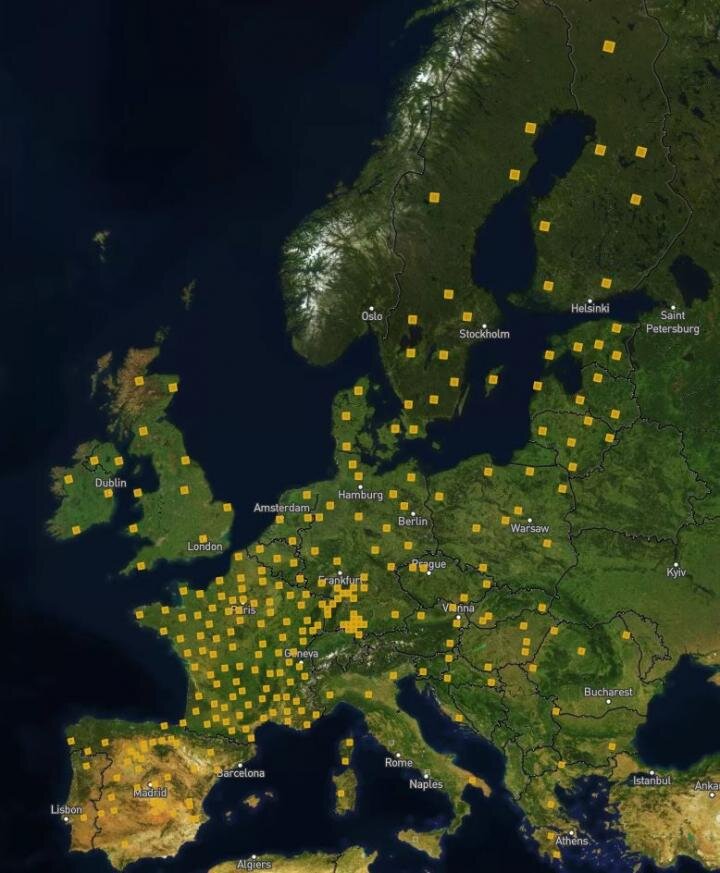
A webtool giving an overview of climate change in Europe and predicting subsequent developments was created as a joint collaboration between French, Spanish, German and Estonian researchers.
Some plants, like soybean, are known to possess an innate defense machinery that helps them develop resistance against insects trying to feed on them. However, exactly how these plants recognize signals from insects has been unknown until now. In a…
By manipulating the expression of one gene, geneticists can induce a form of “stress memory” in plants that is inherited by some progeny, giving them the potential for more vigorous, hardy and productive growth, according to researchers, who suggest the…
A new generation of gene-silencing “RNAi pesticides” are making their way through the regulatory system and will soon be available for agricultural use. However, until recently, there was no method to measure the amount of the pesticide present in the…
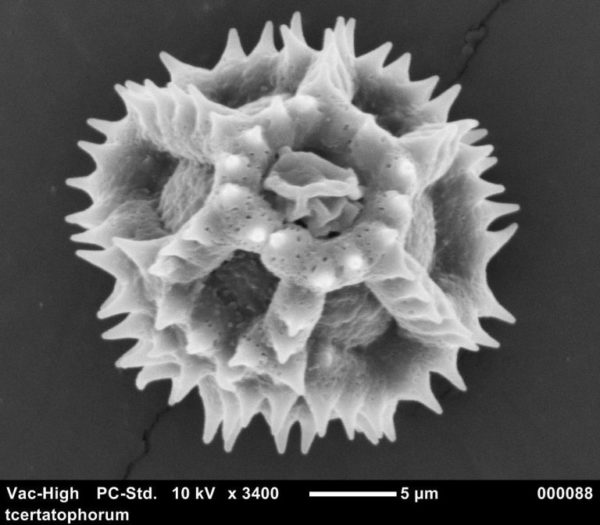
Scientists have discovered two proteins in rice involved in pollen aperture formation which are essential in the successful pollination of flowering plants.
Undoubtedly, our solutions are embedded in nature but we need to find them, and more importantly learn to worship the nature. Raising awareness about respecting the nature’s bounty, conserving all biodiversity that it harborsand utilizing it for sustainable solutions is…