
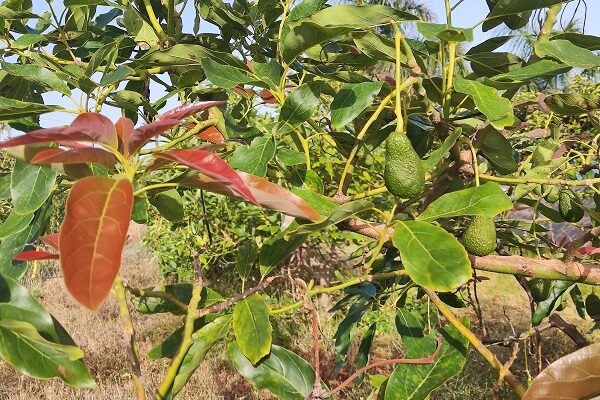
If the perspective of space and time is not properly applied to plant research, the understanding of biological processes is limited as well as the response to the threats that endanger the life of plants worldwide. This is one of the main conclusions of an article published in the journal Trends in Plant Science by Professor Sergi Munné-Bosch, from the Faculty of Biology, the Biodiversity Research Institute (IRBio) and the Institute for Nutrition and Food Safety (INSA) of the University of Barcelona.
A spatiotemporal framework for plant research
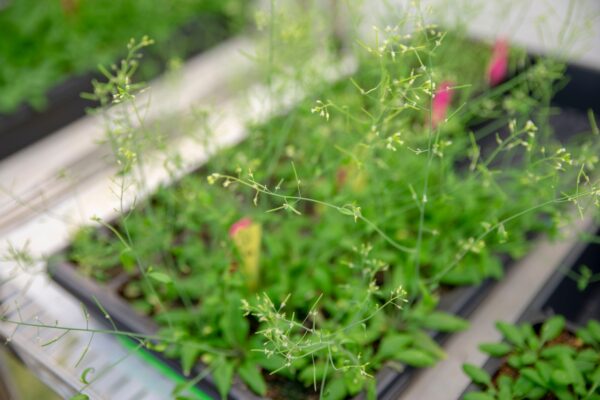
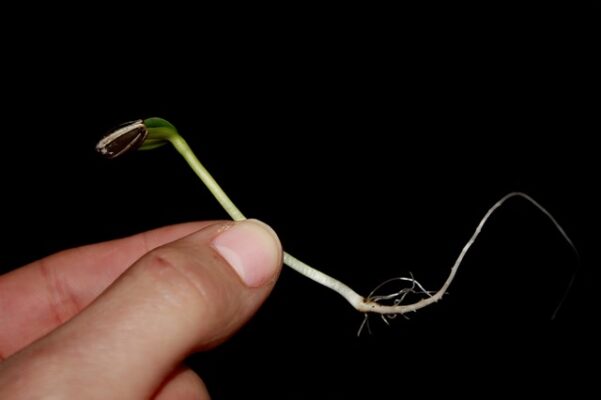
In the global change scenario, methodological limitations in the field of plant biology are not helpful to obtain a full image of the processes that affect the plant life. Improving the level of knowledge on plant species requires adding a spatiotemporal framework using integrative and scalable data that capture the biological processes (such as germination, senescence, or plant stress responses), from molecular, biochemical, cellular and populational approaches.
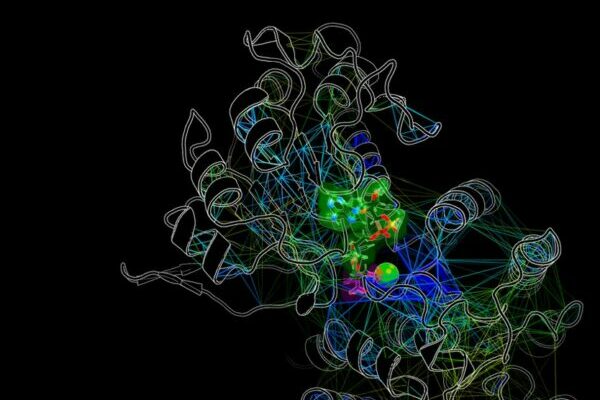
At the moment, understanding and describing the life of plants through the different organizational levels is one of the most complex challenges in this field. Therefore, it is necessary to do research from an integrative perspective —with disciplines such as physics, chemistry, mathematics— and between individuals (intraspecific variability), as well as the variations between the different organs, tissues and organelles.
“In particular, we mainly focus on how and why physiological processes take place, and we do not put emphasis on when and where. As a result, the space and time reference is often lost or misapplied”, notes Sergi Munné-Bosch, recently awarded the ICREA Academia Award for the third time, and member of the Department of Evolutionary Biology, Ecology and Environmental Sciences of the UB.
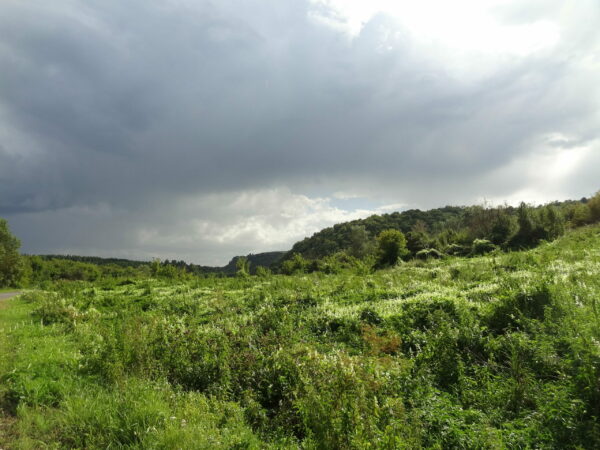
The spatiotemporal scale in which the research activities are unfolded —specifically the interactive effects between space and time—are the main limitation that hardens this integrative view of research. “Our time scale does not match the real scale of how our planet works. This affects directly our ability to make long-term real actions that persist during several generations (time) and that are effective globally (space)”, notes Munné-Bosch, listed among the 2% of most influential scientists in his science disciplines —the leading one in Spain in Plant Biology— regarding production and impact, according to the database published by Elsevier.
“It is difficult to capture simultaneous images at different organization levels and follow a physiological process without leaving any details behind. In a movie, for instance, if we miss a frame, we might not be able to understand the essence of the whole movie. The same happens in research: depending on the experimental design we make, we may not be able to understand biological processes in their complexity”.
Changing times for plant biology
Applying new technologies for the knowledge progress that fully involve the spatiotemporal context is the inflection point for future researches. “We need to promote methodological approaches that include the real-time and continuous obtention of images, including studies at different organization levels, from a molecular level to ecology, going through all the intermediate levels”.
Choosing the right time framework for the study of plant physiology processes will contribute to provide more precise and useful data in basic and applied research. Otherwise, how can it be possible for us to know the resistance mechanisms of long-lived trees? Or the soil seed germination process?
“Certainly, the time factor adds a substantial complexity to the study of biological processes. However, it is not always a good reference as an individual factor. Therefore, it needs to go together with other reference frameworks to better understand the biological processes in their complexity”, notes the researcher.
At the moment, there are many studies that add spatiotemporal approaches of scientific interest in order to improve the understanding of the functioning of living beings and the ecosystems, “but they are not enough. We need to invest more in research, specially in quality research that covers not only those biological processes of great basic and applied research, but that understands these with real spatiotemporal approaches despite its difficulty. Science should be able to understand life in all its complexity”.
The researchers expect to see a future investment in new technologies —specially in the application of artificial intelligence programmes in plant biology— that enables them to decipher the enigmas of the complexity of biological processes, “and consequently, we hope this helps us to better coexist with the other species we share the planet with”, concludes Professor Sergi Munné-Bosch.
Read the paper: Trends in Plant Science
Article source: University of Barcelona
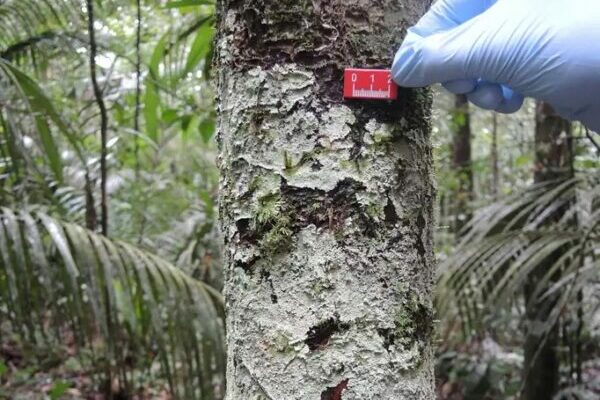
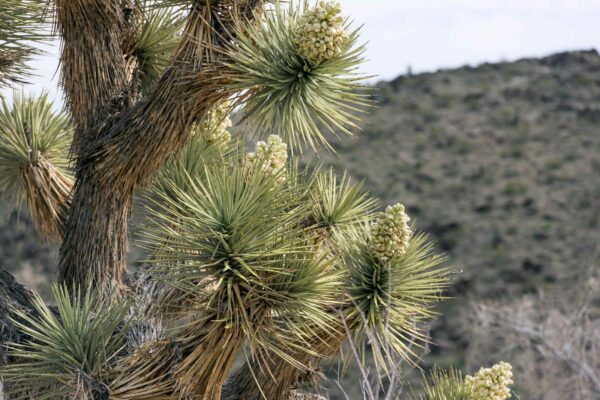
Image: Methodological limitations in the field of plant biology are not helpful to obtain a full image of the processes that affect the plant life. Credit: Sergi Munné-Bosch (UB-IRBio-INSA)