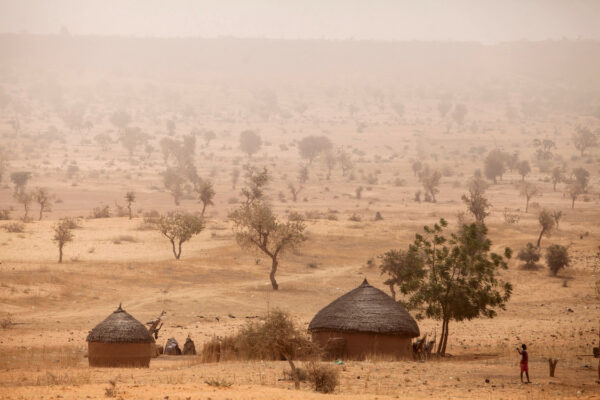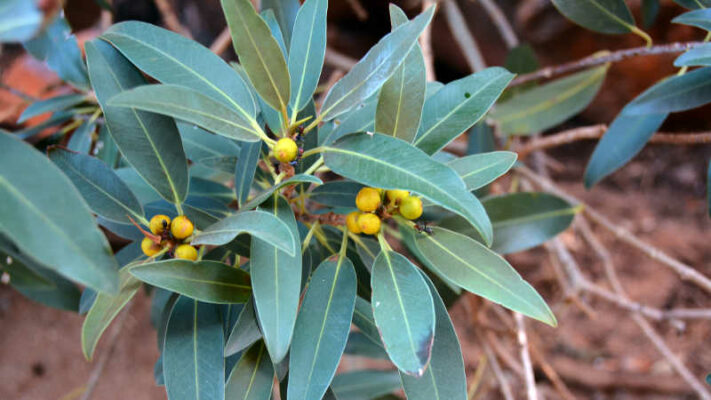

Figs are one of the world’s most recognisable trees and extensively used by First Nations peoples, but until recently a single widespread species, Ficus brachypoda, was the only kind recognised in central Australia.
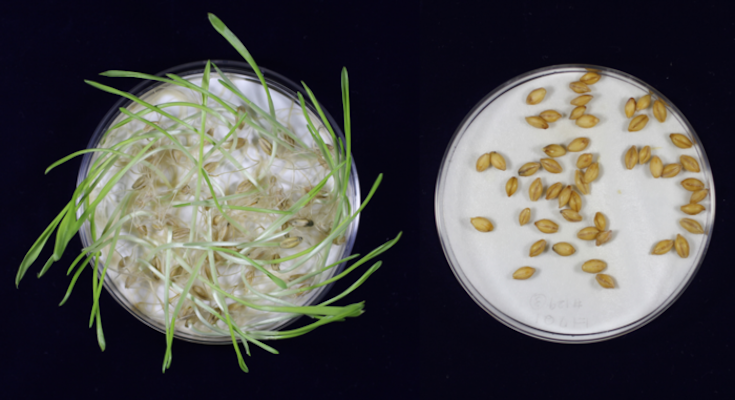
After a spell of unexpected rain, before the harvest season, a farmer may be faced with the unpredictable problem of untimely sprouting of barley. Sprouted barley fetches considerably low market prices and poses an economic burden on farmers and corporations…
valuable trait. Some major examples of crops with these so-called “transgenes” include disease-resistant cotton and beta-carotene-enhanced golden rice. However, when foreign DNA is introduced into a host organism, a natural defensive response in plants is to repress or silence the…
How do you like your rice? Sticky, fluffy, brown, or white? These qualities, in addition to grain length, width, appearance, and other traits, are hugely important predictors of rice sales and consumption worldwide. And region matters. Rice preferences in Latin…
Plants are master chemists, producing a dazzling array of molecules that are valuable to humans, including vitamins, pharmaceuticals and flavorings. The largest and most diverse group of molecules are known as specialized metabolites. Some metabolites attract beneficial insects and others…
Millions of people in Asia are dependent on rice as a food source. Believed to have been domesticated as early as 6000 BCE, rice is an important source of calories globally. In a new study, researchers compared domesticated rice to its…
The humble quillworts are an ancient group of about 250 small, aquatic plants that have largely been ignored by modern botanists. A group of researchers have sequenced the first quillwort genome and uncovered some secrets of the plant’s unique method…
Genetic detective work has uncovered an obscure ancestor of modern bread wheat, in a finding similar to uncovering a famous long-lost relative through DNA analysis in humans. Researchers have sequenced the DNA from 242 unique accessions of Aegilops tauschii gathered over decades from…
An international team of researchers has identified genes associated with plant survival in one of the harshest environments on Earth: the Atacama Desert in Chile.
Plants need sunlight to survive. Researchers have discovered that when plants are grown in the shade, they turn on hundreds of stress-related genes. The researchers found that a specific group of proteins called WRKYs are responsible for stunting root growth…