Researchers have identified a new reason to protect mangrove forests: they’ve been quietly keeping carbon out of Earth’s atmosphere for the past 5,000 years.
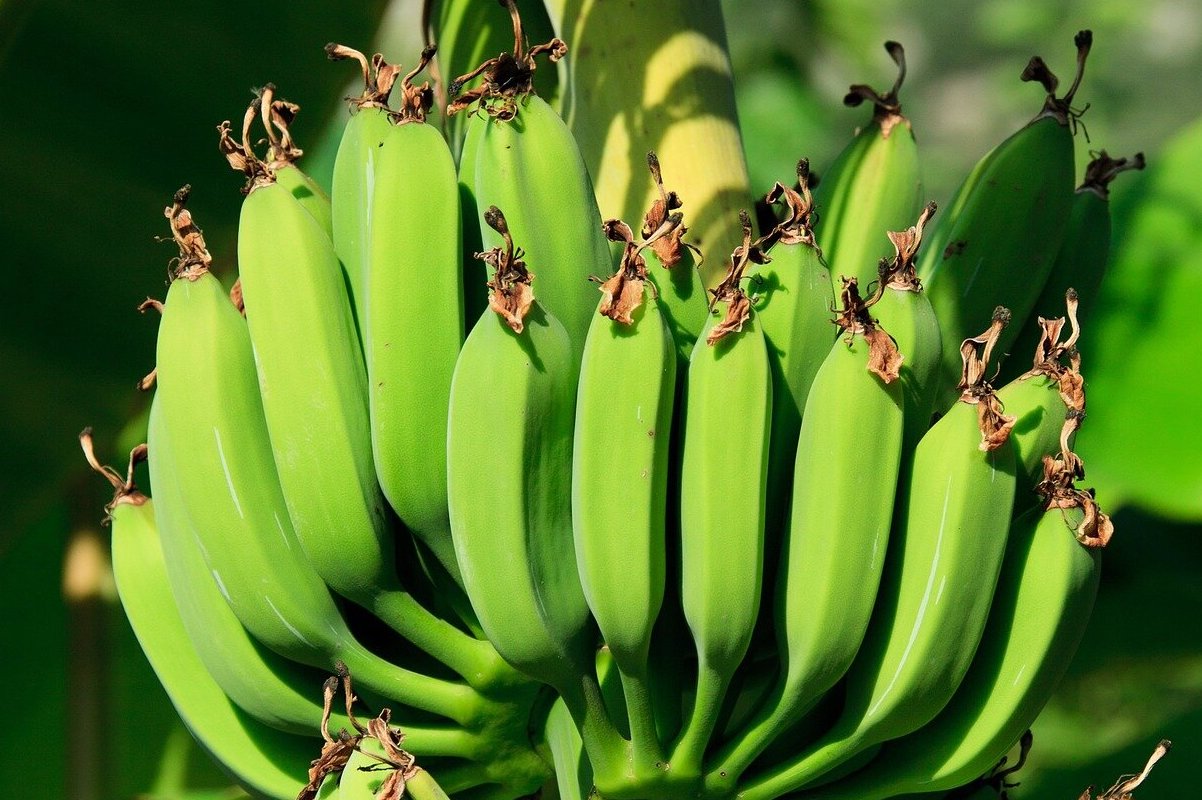
A new banana fungus is rapidly spreading across the globe. It hit Africa a decade ago, and now spreads, a genetic study reveals. They state that the disease poses a threat to Africa’s food security.
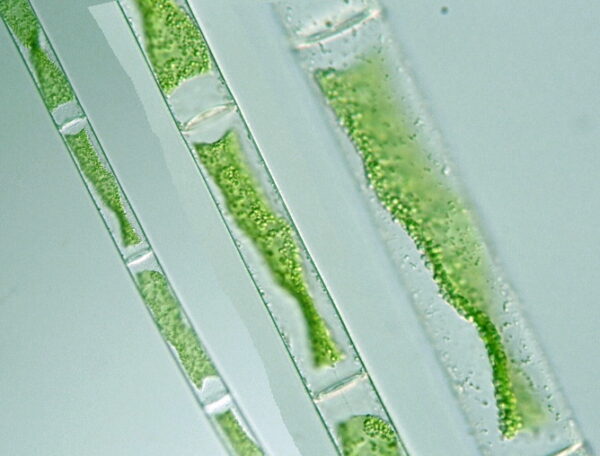
Scientists use genomic data to resolve the phylogeny of zygnematophyte algae and pinpoint several emergences of multicellularity in the closest known relatives of terrestrial plants.
Scientists have sequenced the oldest plant genome using 6,000-year-old seeds from a watermelon relative collected at an archaeological site in the Sahara Desert in Libya.
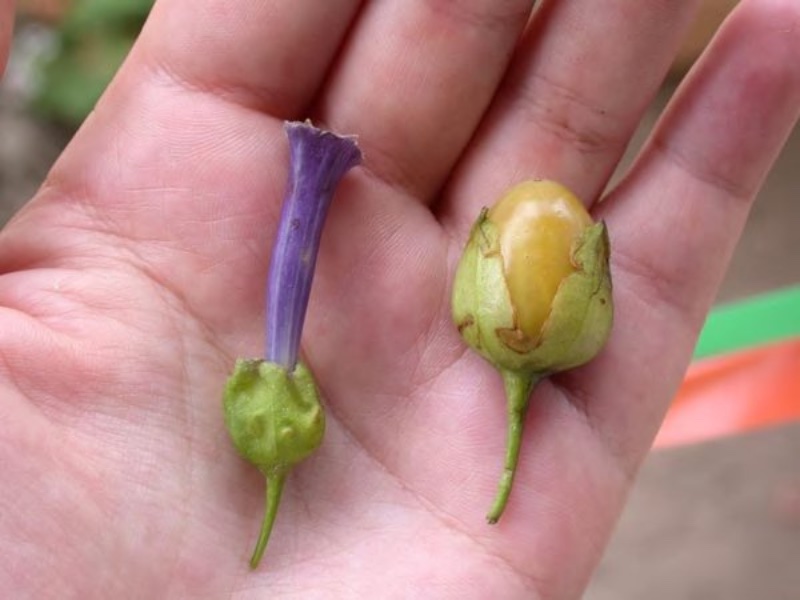
Hidden beneath the delicate, red skin and juicy flesh of a tomato is a wealth of nutrients and genetic makeup. With recent research on the first genome of a species in the tomatillo tribe (part of the tomato family), we…
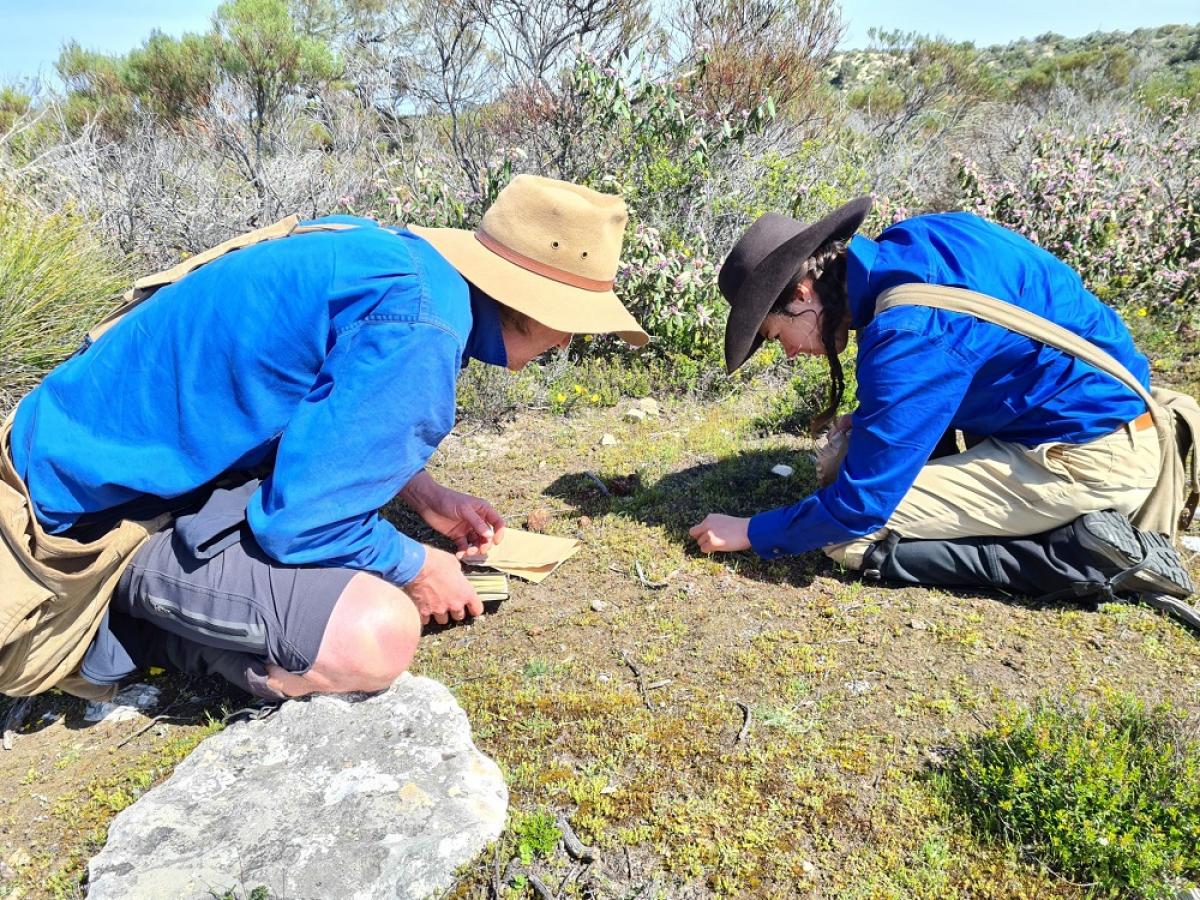
The maximum summer temperature and the amount of rainfall in summer are the two climate factors that determine the type of native grass that grows in a region, Australian researchers have found in a recent study.
When we think of plants, the phrase “stressed out" doesn't typically come to mind. They are, after all, exempt from paying bills and tackling existential questions. However, environmental changes—both living (biotic) and nonliving (abiotic)—generate significant stressors for plants. New methods…
Plants lengthen and bend to secure access to sunlight. Despite observing this phenomenon for centuries, scientists do not fully understand it. Now, scientists have discovered that two plant factors -- the protein PIF7 and the growth hormone auxin -- are…
New research sheds new light on how plants, however rarely, experience mutations in their mitochondrial genomes. Unlike humans, plants are able to quickly fix these mutations, and more importantly, not pass them on to their progeny.
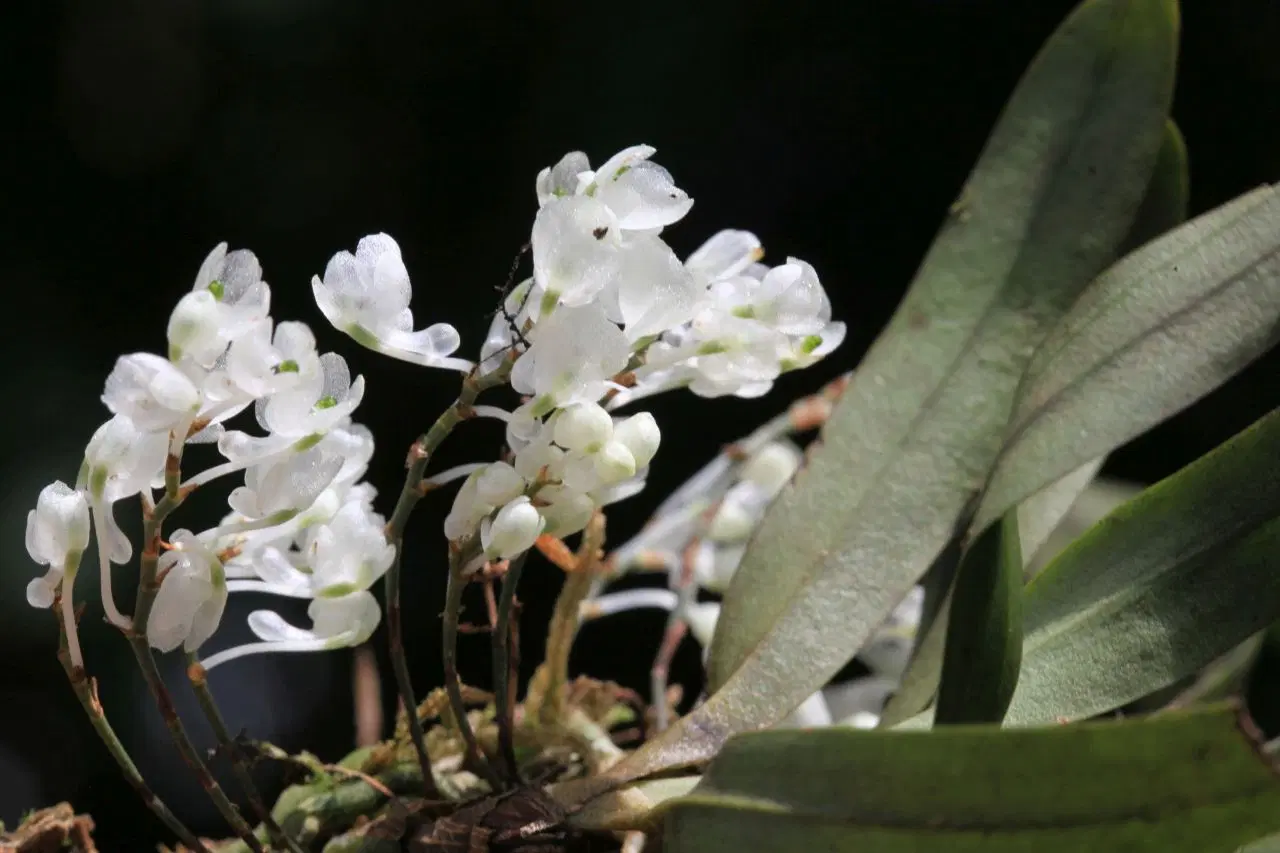
Biologist has discovered a previously unknown orchid species of the genus Rhipidoglossum in northeastern Tanzania. The new species was named Rhipidoglossum pareense, in keeping with its location in the South Pare Mountains.