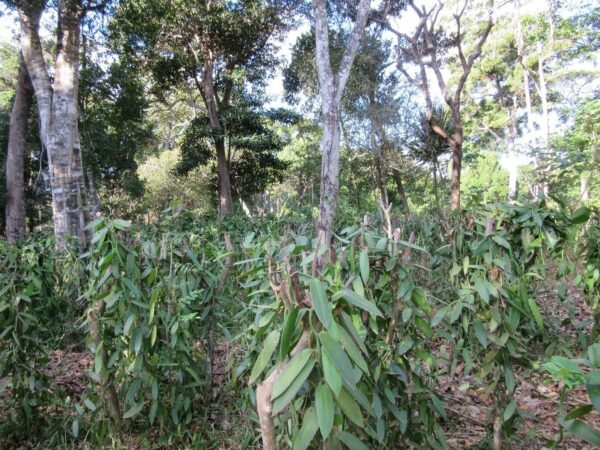

Research team shows potential for sustainable land use in Madagascar the most important country for vanilla production – the fragrant ingredient that is a favourite flavour for ice cream, cakes and cookies.
Scientists observed that ergot, a common plant disease on rye, defended its host plant chemically against grass feeding insects. The ergot disease in grains spoils the yield and causes seed loss to the plant. Based on this, it is classified…
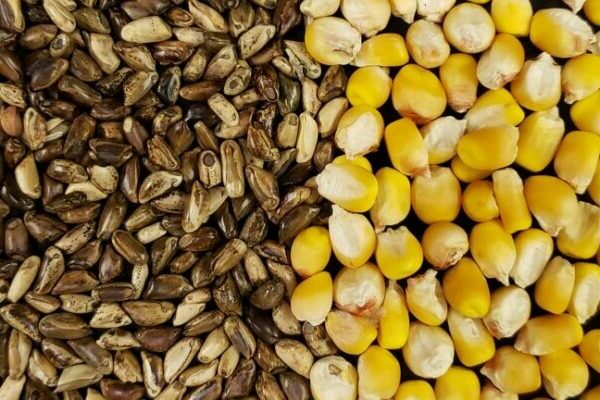
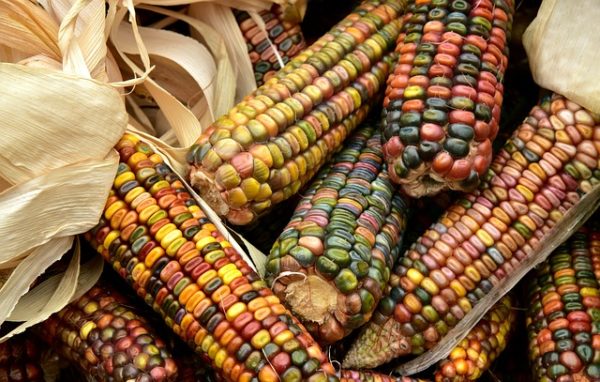
Scientists are learning how to peer back through millennia of domestication to learn how a wild grassy plant known as teosinte developed into corn, the modern cash crop grown across the globe. The research allows scientists to compare genes in…
Five (5) high-yielding hybrid maize varieties developed by scientists have all been approved and recommended for release onto the market for cultivation and consumption by the National Varietal Release and Registration Committee (NVRRC) of Ghana.
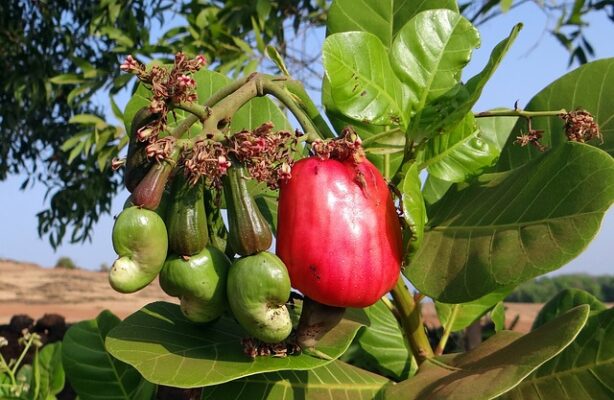
First-of-its-kind analysis suggests declines in land suitability in most major producing countries. A new analysis predicts that, as climate change progresses, the most suitable regions for growing coffee arabica, cashews, and avocados will decline in some of the main countries…
Scientists have harnessed data analytics to look “under the hood” of the mechanisms that determine how genetics and changing environmental conditions interact during crucial developmental stages of plants.
Some might say you look a little green when you are sick. Leafy greens actually turn purple — although not obvious to the human eye, it can be seen through advanced hyperspectral imaging (different than purple varieties of some vegetables).…