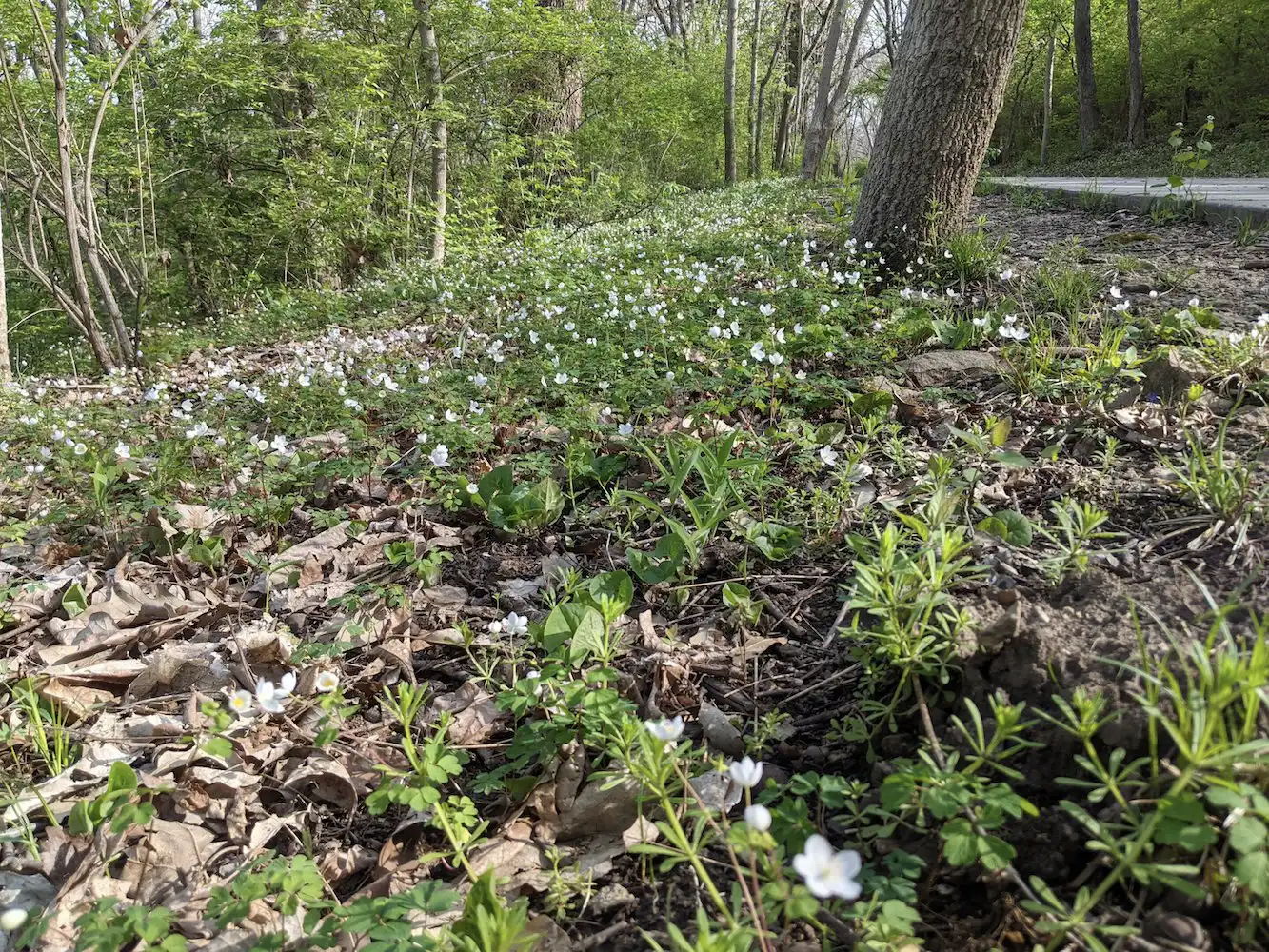
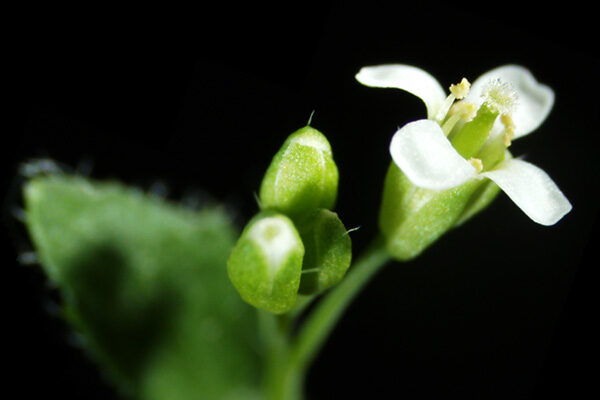
For spring ephemerals, timing is everything. These special wildflowers grow in temperate forests around the world, early in spring before the trees leaf out. Come out too early and it's still winter, too late and it's too shady under the…
What defines us and other living organisms more strongly: genes or the environment? Only recently, researchers were able to prove experimentally that even microorganisms can be inherited from one plant generation to the next via the seed. In a new…
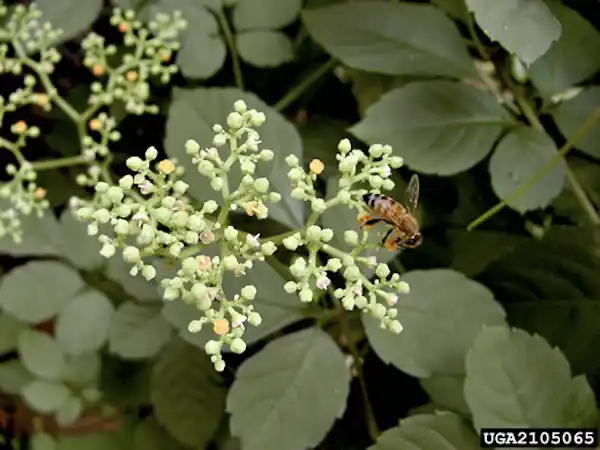
A plant common to Japan, Causonis japonica, is the first to show a newly discovered trait. Its flowers can change color depending on the stage of its maturation cycle, and then change back to its original color. Although many flowers have…
Iron (Fe) is an indispensable micronutrient for plants since it is necessary for many important cellular processes. In order to survive Fe-deficient environments, plants have evolved sophisticated Fe deficiency responses for maintenance of Fe homeostasis. Recent studies have shown that…
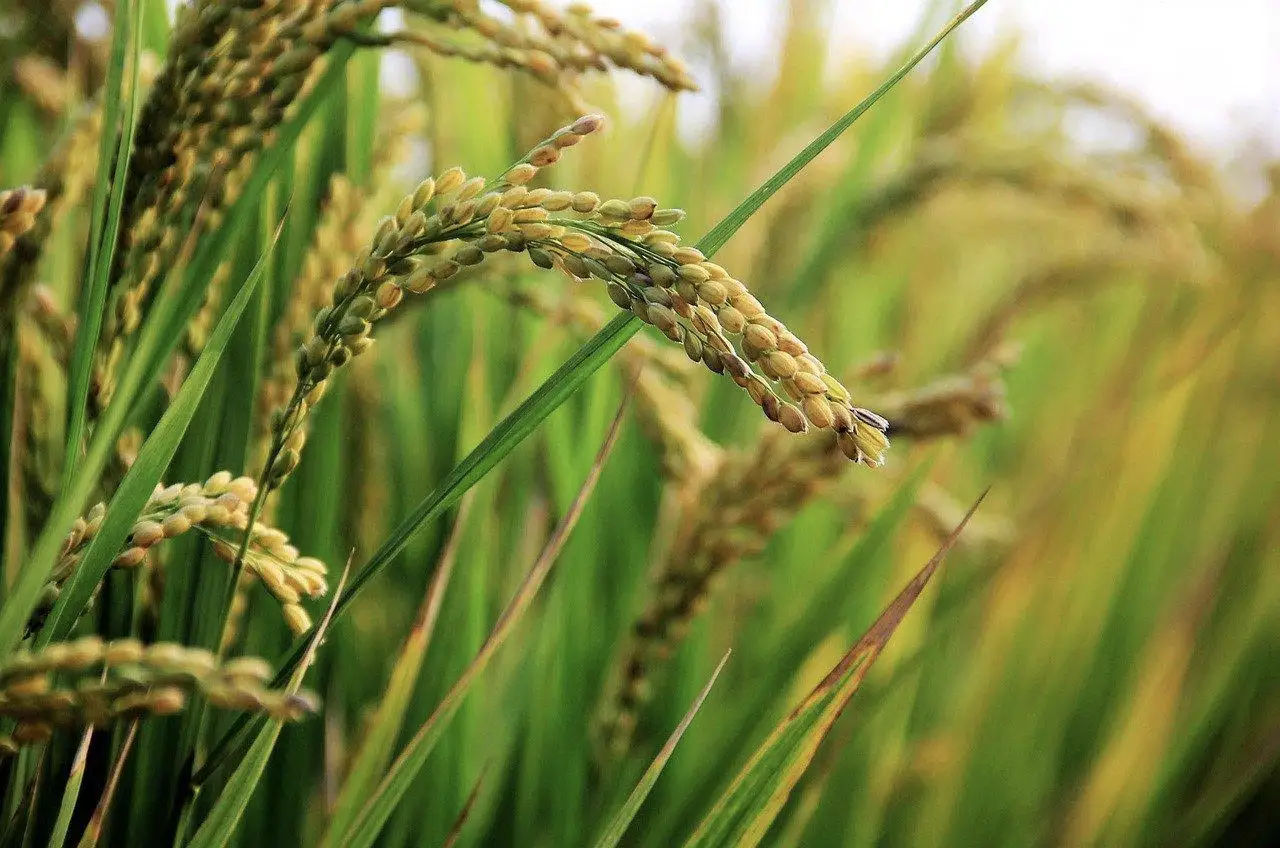
Rice (Oryza sativa L.) is one of the most important crops worldwide, providing much of the calorific needs for half of the global population. Economic development and rising living standards have led to the demand for rice gradually shifting from…
Stomata are microscopic structures on the leaf epidermis that facilitate gas exchange between the plant and the environment. Thanks to these specialized cell types, plants are an essential component of the global carbon and water cycles. Plus, stomata not only…
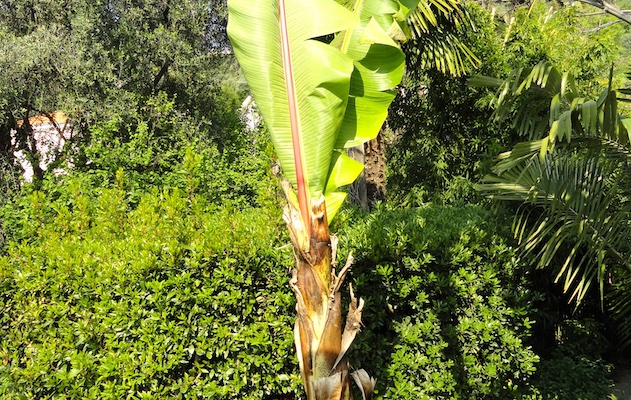
In a new study scientists have found that smallholder farmers in Ethiopia grow more of the indigenous crop Ensete ventricosum in the direct aftermath of severe droughts as a means of bolstering food security.
The protein BICAT3 is one of the most important manganese distributors in plants. If defective, this can have devastating effects on a plant's growth; its leaves grow significantly smaller and it produces fewer seeds than usual. A team has recently…
Researchers have found that rhizobial bacteria are hijacking a key protein in legumes involved in molecular transport to control how the symbiotic cellular structures that allow the plants to take up nitrogen form between the two organisms.