Scientists have trained AI to unlock data from millions of plant specimens kept in herbaria around the world, to study and combat the impacts of climate change on flora.
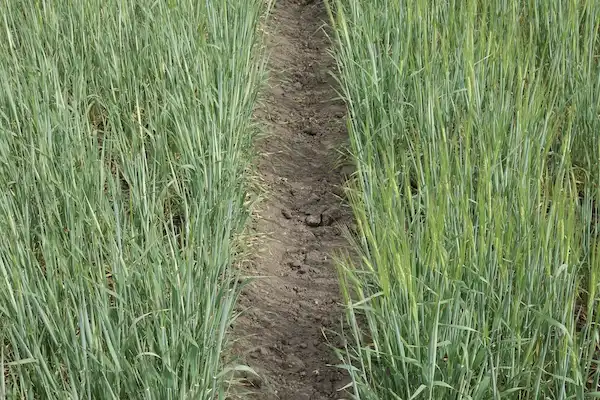
A tiny mutation in the genetic material of barley ensures that those plants develop faster and thus flower earlier than established barley varieties. At the same time, plant yields remain the same. According to the researchers, this is advantageous as…
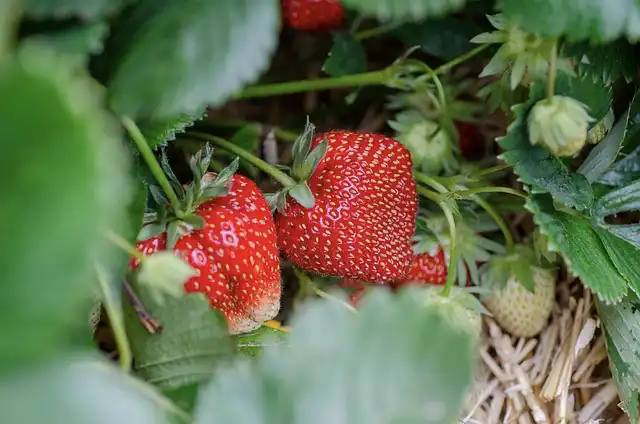
Hybrids -- common in agriculture as well as in nature -- have chromosomes from two or more parent species. In some cases, including strawberries, goldfish and several other species, these disparate parental chromosomes become doubled, a condition known as allopolyploidy.…
There are flowering plants that have the ability to self-pollinate, meaning that they can fertilise themselves without a partner. However, selfing also has clear negative consequences for the plants – first and foremost the loss of genetic variability and biological…
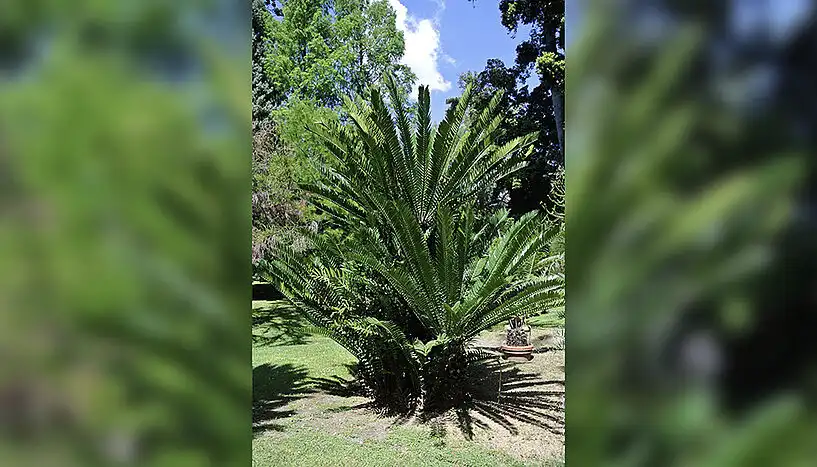
Paleobotanists have made an important breakthrough in understanding the origin and geographic distribution of cycads. By combining genetic data with leaf morphological data from both fossil and living species for the first time, the researchers created a phylogenetic tree of…
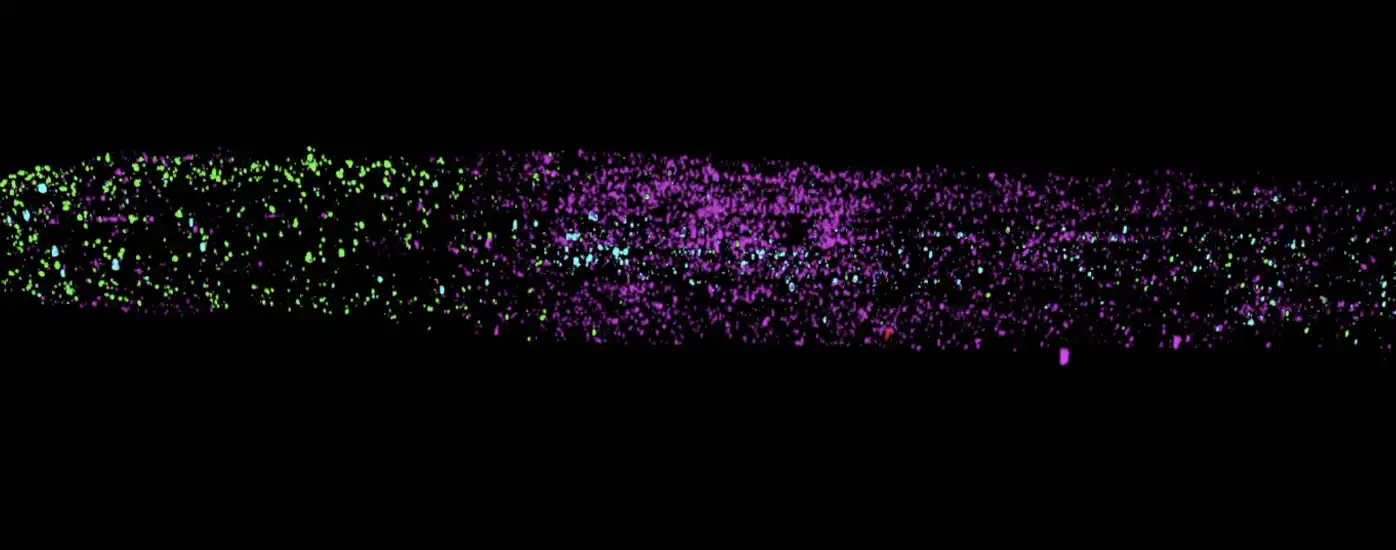
The cellular life inside a plant is as vibrant as the blossom. In each plant tissue—from root tip to leaf tip—there are hundreds of cell types that relay information about functional needs and environmental changes. Now, a new technology can…
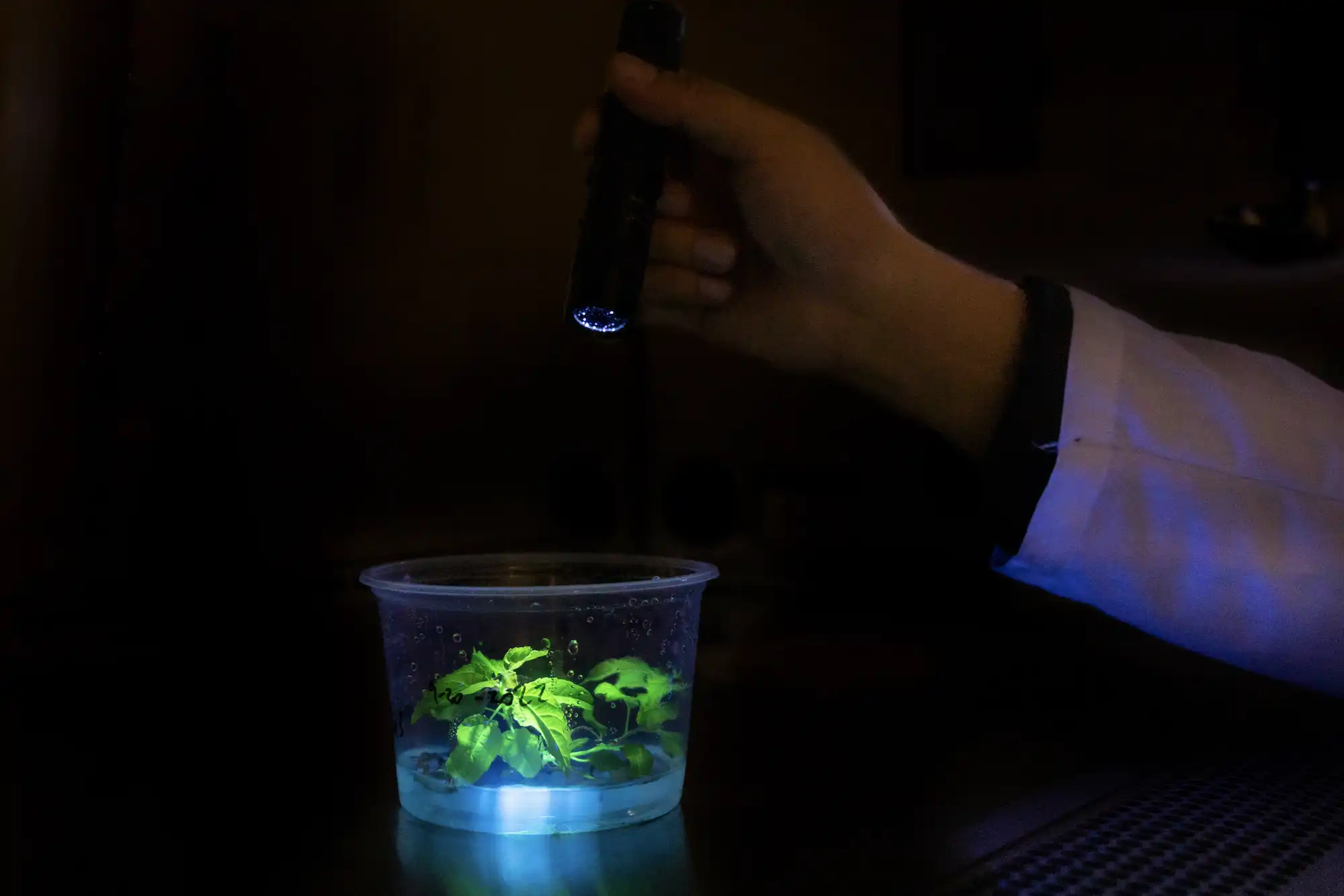
In a discovery aimed at accelerating the development of process-advantaged crops for jet biofuels, scientists developed a capability to insert multiple genes into plants in a single step.
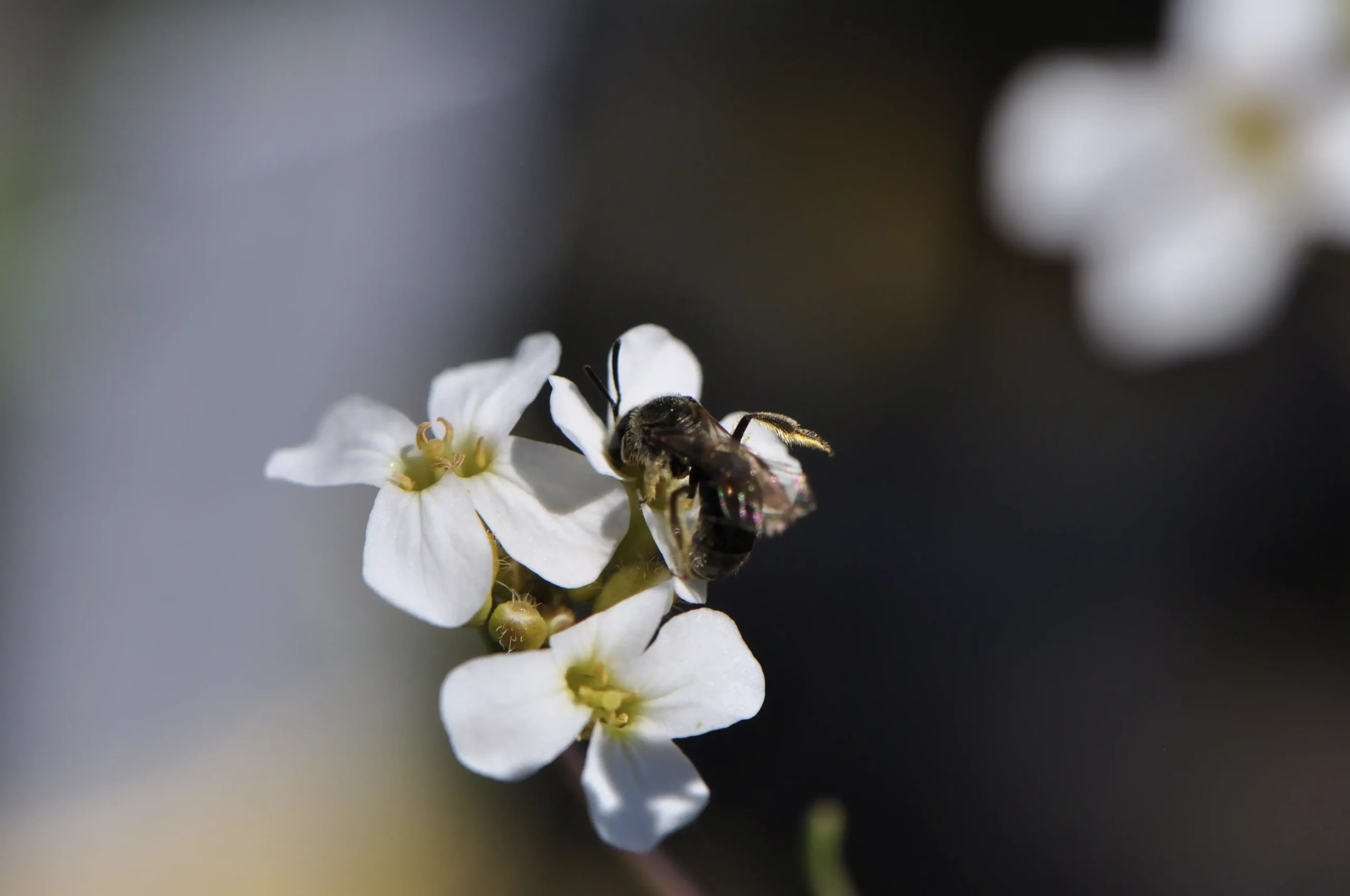
New esearch has found using environmental DNA (eDNA), in conjunction with conventional methods, to monitor how insects interact with flowers could potentially improve conservation rates.
Some southern beeches in the Andes have plumbed deeper for moisture as the surface has dried up. But doing so may deplete resources and undermine the trees’ future health.