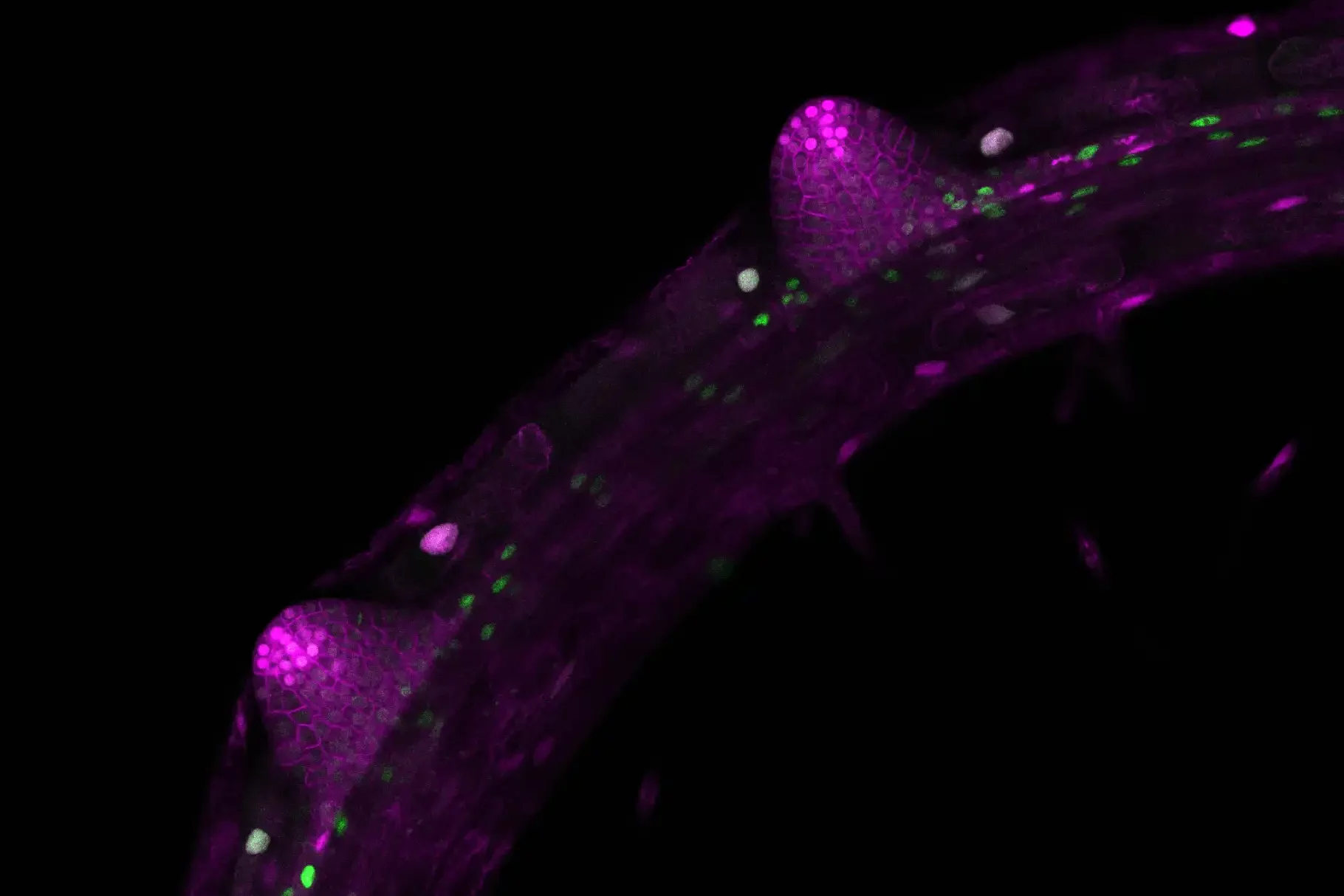
Applying an advanced imaging technology to plant roots, researchers have developed a new understanding of essential root chemicals that are responsible for plant growth
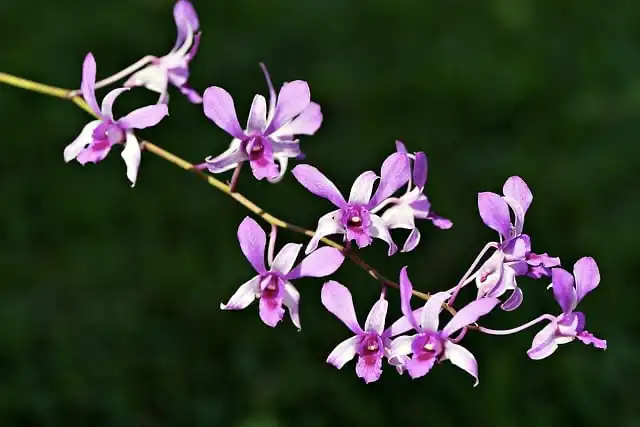
New detailed genetic analysis clarifies the evolutionary relationships among orchids and reveals that the plant’s ability to grow on trees evolved independently in several lineages.
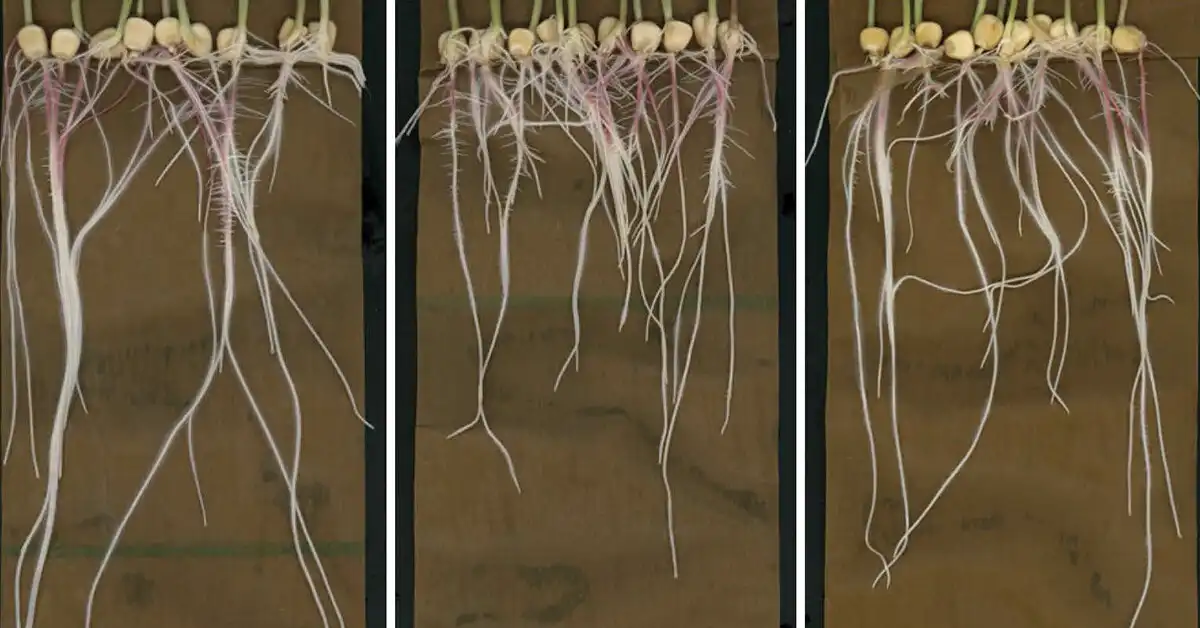
Along with sugar reallocation, a basic molecular mechanism within plants controls the formation of new lateral roots. An international team of plant biologists has demonstrated that it is based on the activity of a certain factor, the target of rapamycin…
Researchers have discovered the secrets behind how plants move sugar using a protein called the SUC transporter. This breakthrough solves a long-standing mystery of the plant 'heart' and sheds new light on how plants defend themselves from pests.
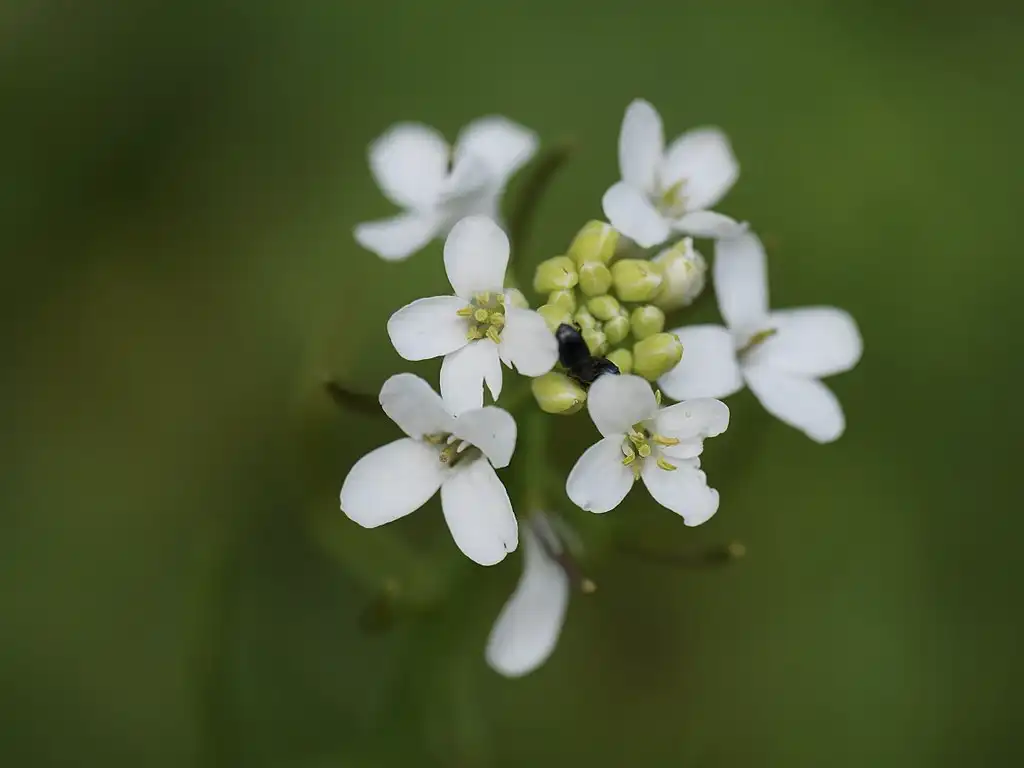
New research has identified a new protein complex in plants that regulates temperature response by the circadian clock. As climate change influences daily and seasonal temperature patterns – such as warmer nights and winters – it is critical to better…
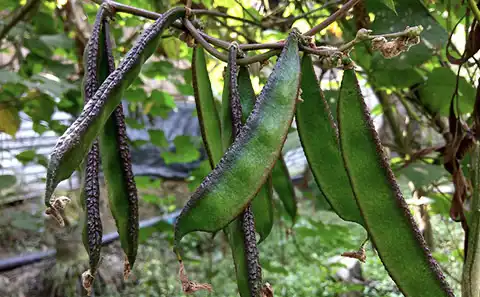
An international team of researchers has fully sequenced the genome of a climate resilient bean that could bolster food security in drought-prone regions.
Plant trichomes are highly specialized structures that develop from the epidermal pavement cells of different plant tissues. They are known to defend plants from biotic and abiotic stresses such as water loss, insect-inflicted damage, pathogen attacks, deadly ultraviolet radiation, and…
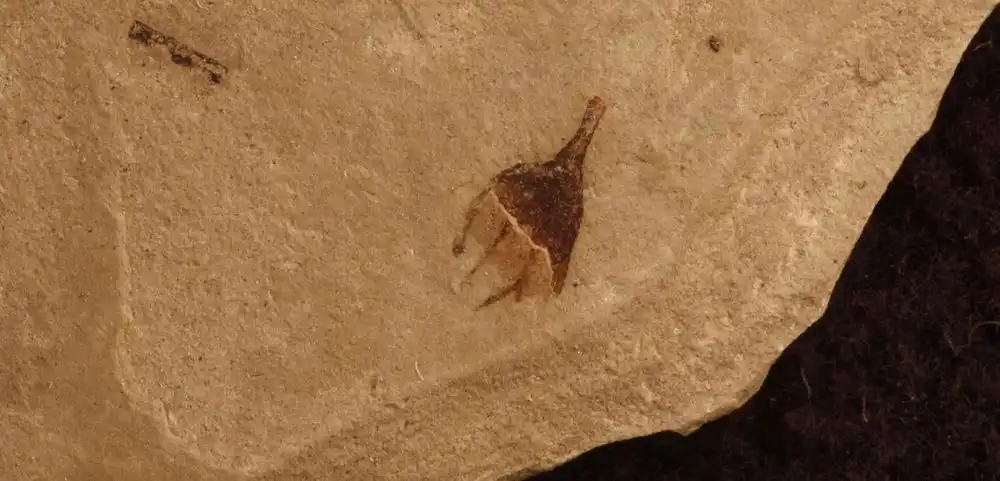
Botanists and paleontologists have identified a fossil chili pepper that may rewrite the geography and evolutionary timeline of the tomato plant family.