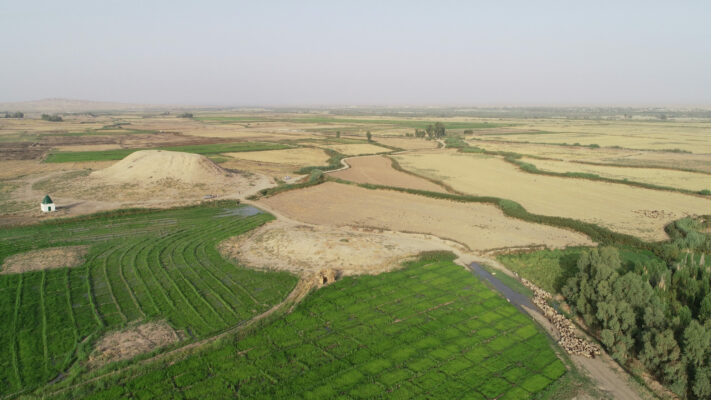
Researchers have unearthed the earliest definitive evidence of broomcorn millet (Panicum miliaceum) in ancient Iraq, challenging our understanding of humanity’s earliest agricultural practices.
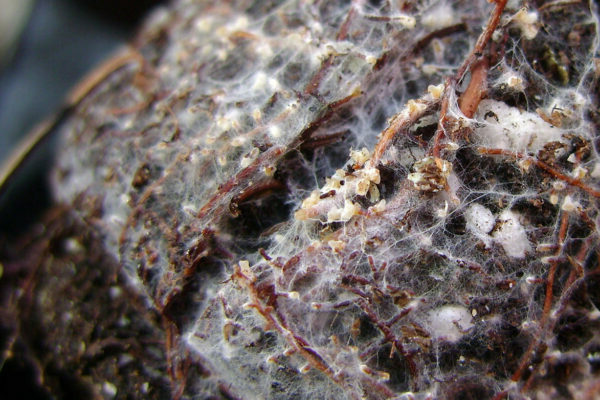
Most trees live in symbiosis with fungi. Researchers show just how important this partnership is for tree growth through the first-ever comprehensive data analysis compiled for European forests on a massive scale.
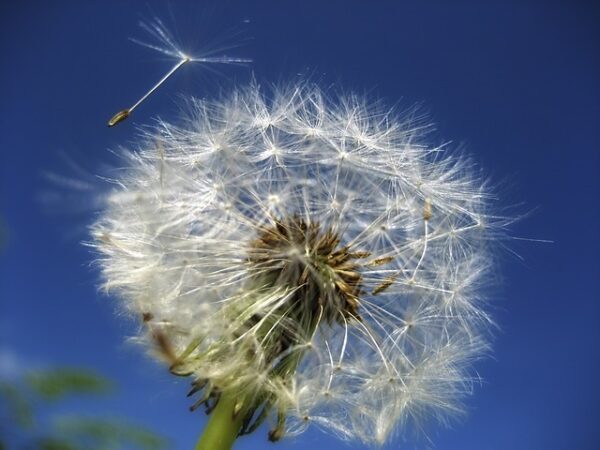
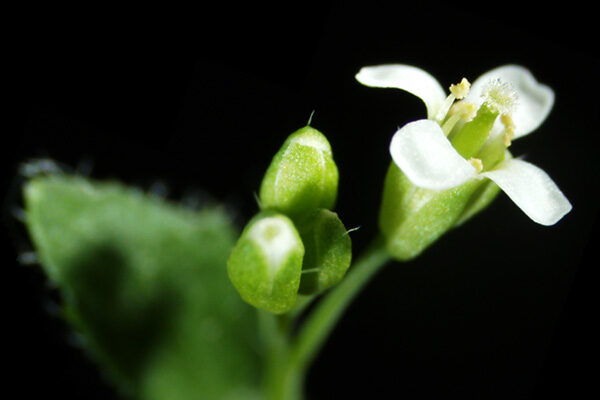
Researchers have discovered a gene that will make it possible to produce seeds from crops that are genetically identical to the mother plant and that do not need pollination.
Feeling the heat: Steroid hormones contribute to the heat stress resistance of plants. Plants, like other organisms, can be severely affected by heat stress. To increase their chances of survival, they activate the heat shock response, a molecular pathway also…
The use of genetic information is now indispensable for modern plant breeding. Even though DNA sequencing has become much cheaper since the human genome was decoded for the very first time in 2003, collecting the full genetic information still accounts…
Scientists have developed ways to decipher effects of the CO2 rise during the past 100 years on metabolic fluxes of the key plant species in peatlands, mosses.
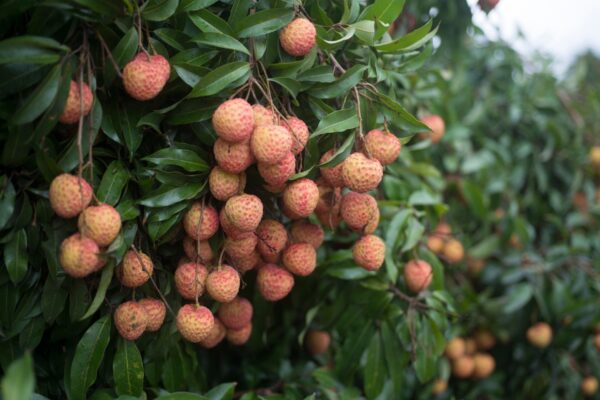
Radiant and flavorful, lychees were so beloved that they were domesticated not just once in ancient times, but independently in two different regions of China, a study finds.
Scientists have found a novel way to combine two species of grass-like plant including banana, rice and wheat, using embryonic tissue from their seeds. The technique allows beneficial characteristics, such as disease resistance or stress tolerance, to be added to…
More than 66 million years ago, an asteroid impact led to the extinction of almost three-quarters of life on Earth. The little life that was left had to struggle, and research into its tenacity can provide key insights into how…