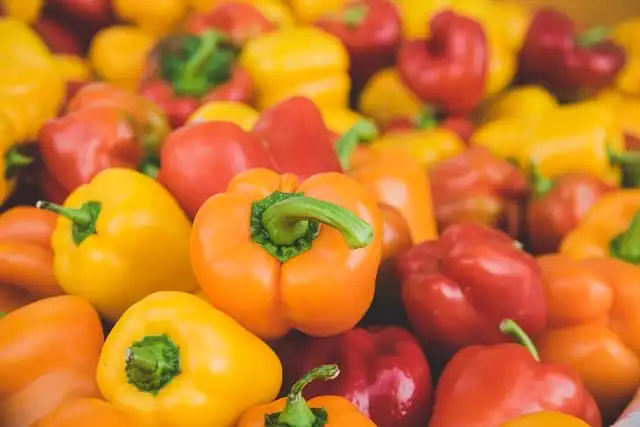

Peppers are a versatile, flavorful, and widely popular crop, used not only as a healthy food source but also for their medicinal properties. In a new study, an international team of researchers has sequenced the genomes of key cultivated and…
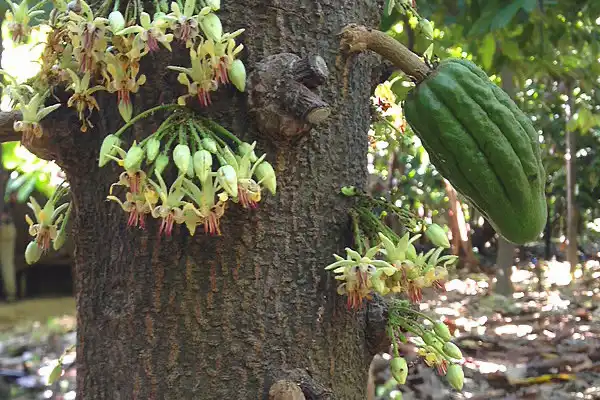
The success of cacao cultivation depends to a large extent on functioning pollination. If there is a lack of pollinators, for example, this leads to lower yields - and thus to financial problems for farmers. A study has now investigated…
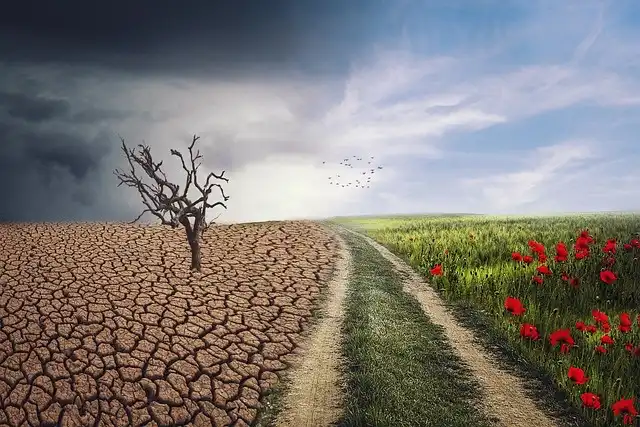
Despite strong promotion of green growth perspective by a variety of policymakers and international institutions, a new article reveals widespread scepticism among climate policy researchers in high-income countries.
Rising sea levels due to climate change and artificial irrigation cause soil salinity to increase. This has a negative impact on agriculture, including viticulture. The plants die, yields decrease. Researchers have therefore studied a wild grapevine of higher salt tolerance.…
Researchers discovered a form of social immunity in wheat and rice. Disease susceptibility in wheat and rice is modulated not only by genetic resistance traits, but also by interactions with neighbouring plants of the same species. The findings, show that…
Biologists have found evidence for evolutionary “syndromes”—sets of traits that occur together—that help to explain how tomatoes first evolved their distinctive blend of color, sweetness, acidity and aroma. The research, not only shines a light on how fruits evolve in…
Researchers have identified sesquiterpenes – gaseous hydrocarbons that are released by plants – as being a major factor in cloud formation. This finding could reduce uncertainties in climate models and help make more accurate predictions.
Farmers usually plant so-called cover crops after harvesting their main crop in the Fall. This prevents erosion of the soil and nutrient leaching. The roots of these crops also stabilize the structure of the soil. It had been assumed up…