5th State of the World's report, lays out the current condition of the world's plants and fungi globally. Based on the work of 200 international researchers and covering the content of more than 25 cutting-edge scientific papers in its 11…
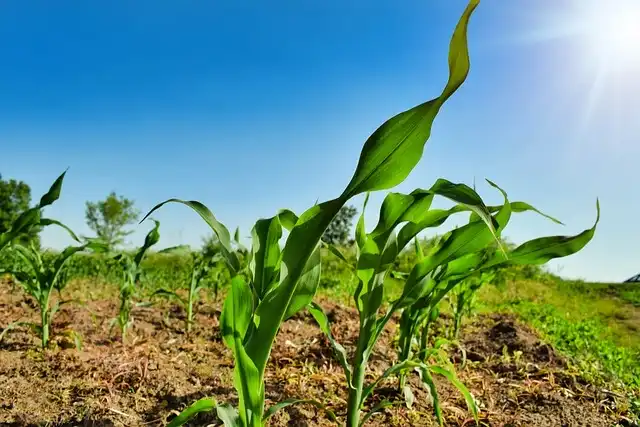
Maize plants form special compounds derived from indole, the so-called benzoxazinoids. They are considered ecologically important because they act against a wide range of herbivores and reduce their feeding. Benzoxazinoids also exhibit antimicrobial properties and are thought to be involved…
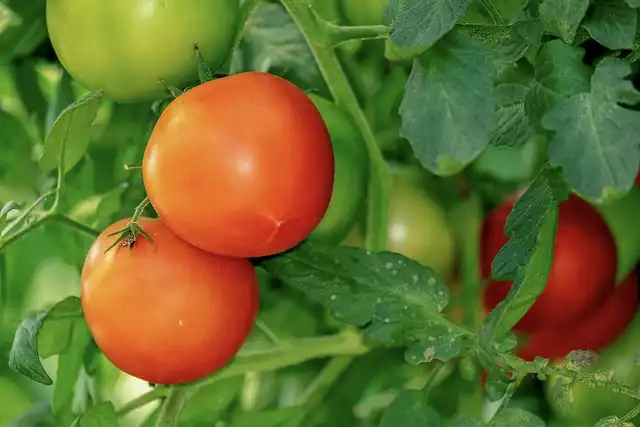
Regardless of how one says "tomato," they all contain tomatine, a toxin in the plant's green fruit, leaves, and roots. Tomatoes produce the bitter-tasting compound—a major plant-specialized metabolite secreted from the roots—to defend against pathogens and foragers.
As climate change progresses, the chance of southern plant species spreading to northern regions increases. In Europe and America, many of the alien plant species come from their own continent. They usually originate in warmer regions closer to the equator—a…
For reasons of food security and economic incentive, farmers continuously seek to maximize their marketable crop yields. As plants grow inconsistently, at the time of harvesting, there will inevitably be variations in quality and size of individual crops. Finding the…
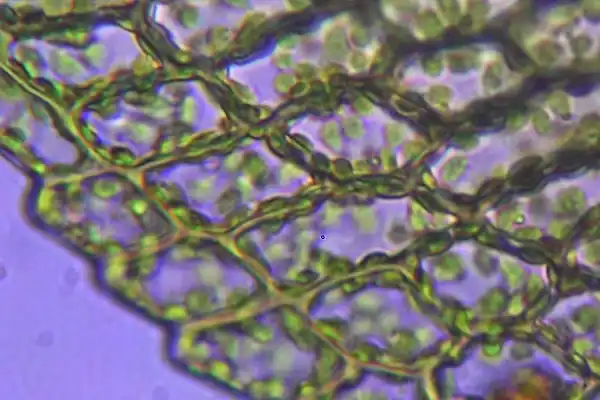
Scientists have revealed new plant cell walls can have significantly different mechanical properties compared to surrounding parental cell walls, enabling cells to change their local shape and influence the growth of plant organs.
A chloroplast enzyme safeguards plants against pathological protein aggregation that causes Huntington’s and other neurodegenerative diseases / new research may have found a way to “copy” the mechanism for application in human cells.
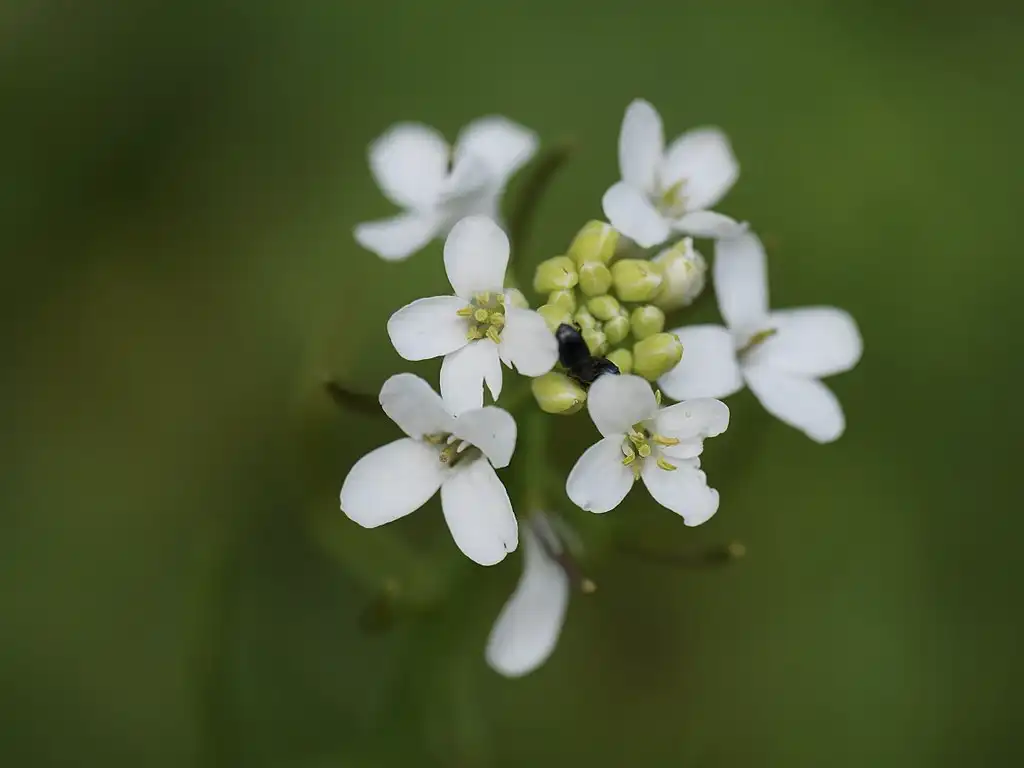
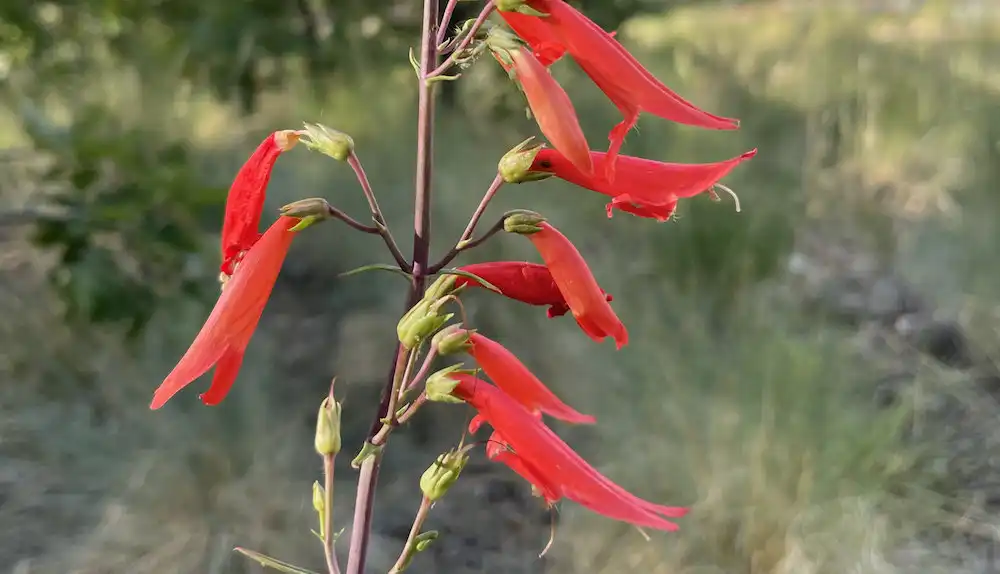
Plants that rely on animal pollinators, such as insects or birds, have evolved distinctive suites of flower characteristics—known as "pollination syndromes"—that are tailored to the pollinator. Large differences in flower characteristics between wildflowers with different pollinators are achieved by a…
Nitrogen is an essential nutrient for plant growth, but the overuse of synthetic nitrogen fertilizers in agriculture is not sustainable. In a review article a team of bacteriologists and plant scientists discuss the possibility of using genetic engineering to facilitate…