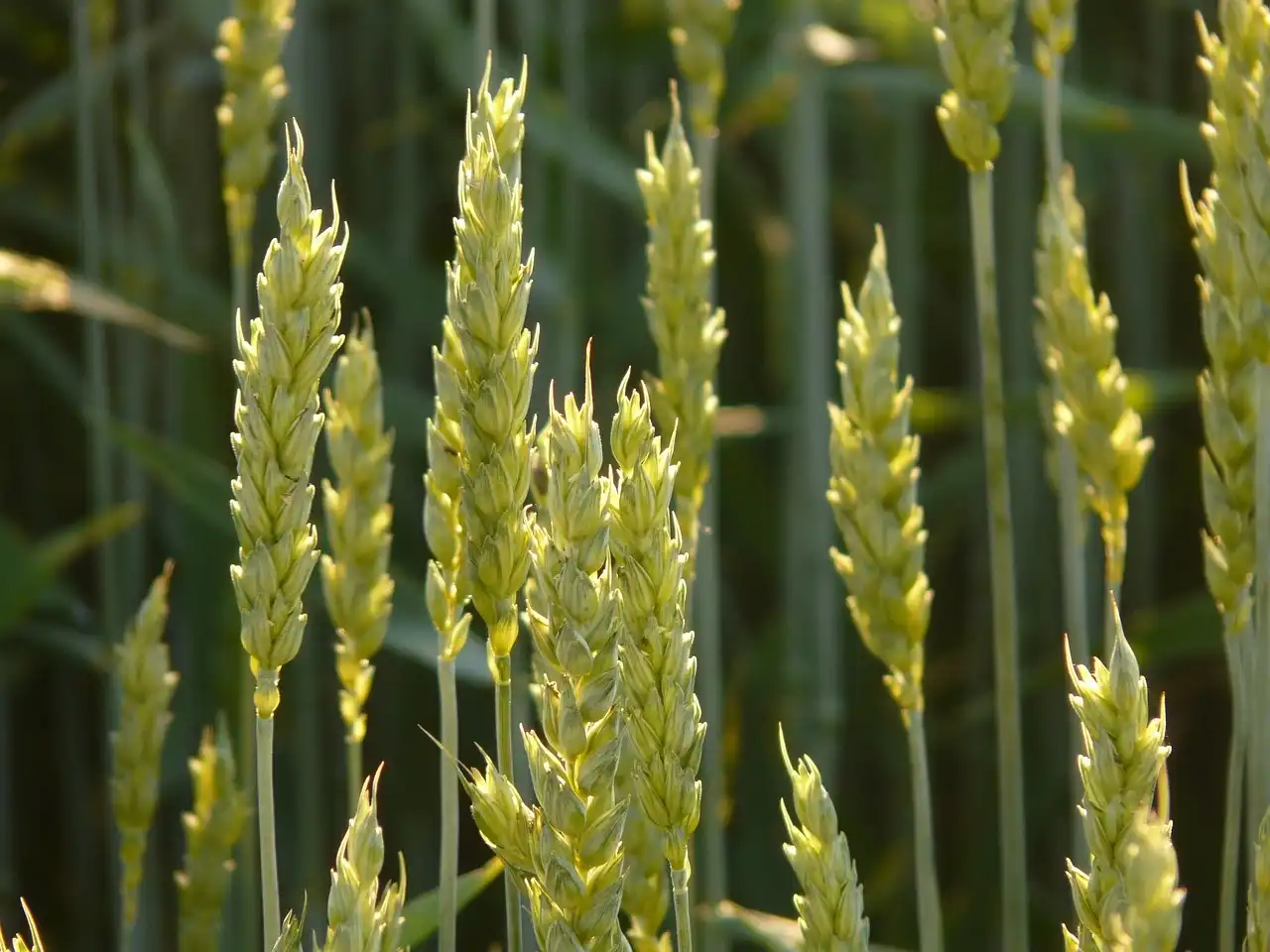
Circadian clocks of wheat can provide a window into the plant's nutrient content and life cycle, finds new research that could improve agricultural production and crop resilience in a changing climate.
Plants and microbes often have a symbiotic relationship, relying on each other for nutrients or shelter. Understanding and engineering such symbioses is an essential step in the journey towards tackling global challenges such as food security, carbon capture and ecosystem…
Nature conservation policies are trying to safeguard forests all over the world, which is a good thing. But it seems like less-flashy ecosystems are getting left behind. Grassy ecosystems include grasslands, savannas, shrublands, woodlands and tundra. Experts say these ecosystems are…
A newly discovered pathway in a plant process could help farmers grow more successful crops, particularly in places where harsh, high light stresses plants.
A study predicts that protecting at-risk seagrass meadows could avert climate damages valued in excess of $200 billion by preventing the release of 1.2 billion tons of carbon pollution. This is equivalent to removing the annual carbon footprint of 100 million…
From the very first presentation to the final wrap-up, the workshop was a deep dive into the challenges—and opportunities—plant science faces in the changing world of today… and probably the one of tomorrow.
Raking dead grass (thatch) helps native plants grow by improving light access, according to a study. In three-year tests, raking increased plant diversity, reduced invasive grasses, and boosted wildflowers. While it also raised some invasive wildflowers, raking offers a low-cost,…
Aspen forests face complex challenges from climate change, not just rising temperatures but interactions with drought, fire, and browsing. A 42% aspen mortality rate highlights vulnerabilities, especially for young trees in dry, low-elevation areas. Adaptive management and collaborative strategies are…
Ice age cycles had minimal impact on the genetic diversity of European trees, finds a new study. High diversity arose from traits like long lifespans and pollen traveling vast distances. This resilience offers hope for forests adapting to today’s rapid…