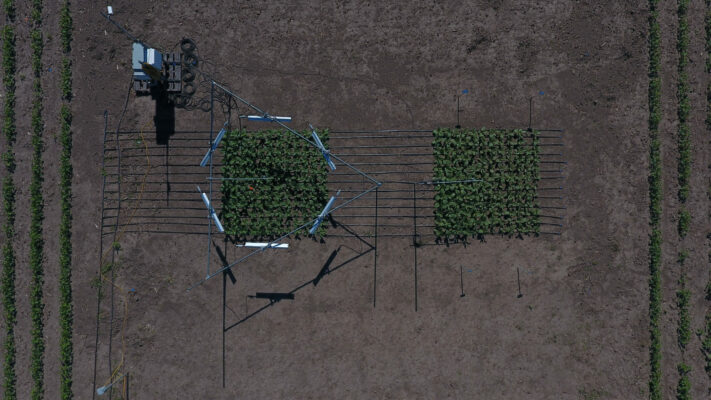
The world is warming quickly with no indication of slowing down. This could be catastrophic for the production of food crops, particularly in already warm areas.
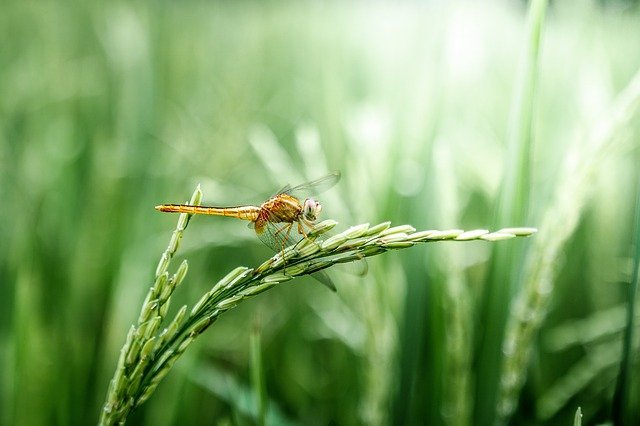
The global decline of pollinators threatens the reproductive success of 90 per cent of all wild plants globally and the yield of 85 per cent of the world’s most important crops. Pollinators – mainly bees and other insects – contribute…
It is commonly assumed that any important scientific knowledge would be available in English, and so scientific knowledge used in international studies is predominantly sourced from English-language documents. But is this assumption correct? According to new research the answer is…
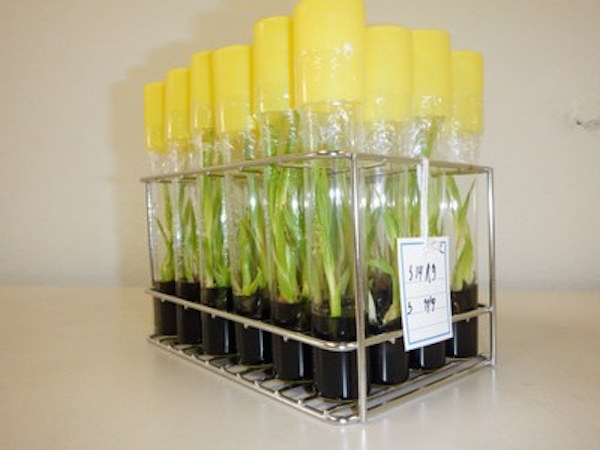
Coconut trees grow slowly and are difficult to clone. Scientists have developed a method to multiply seedlings faster and conserve coconut genetic resources for the long term. This will help to preserve coconut tree biodiversity and meet the increasing demand for coconuts…
The current world population of 7.8 billion is predicted to reach 10 billion by 2057. Future access to affordable and healthy food will be challenging, with malnutrition already affecting one in three people worldwide. Two new papers recognized that global…
Scientists have become the first in the world to find a way to observe how plant roots take in and circulate water at the cellular level, which could help to identify future drought- and flood-resistant crops.
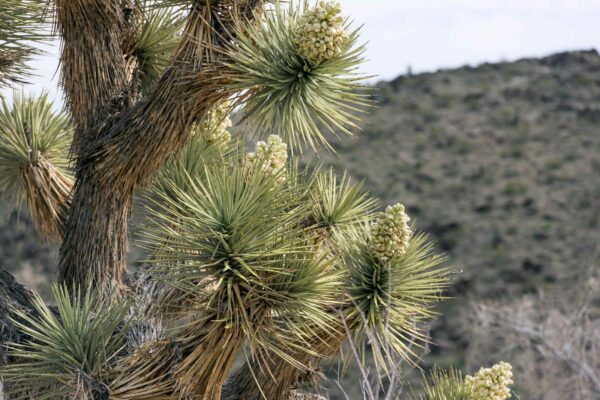
As temperatures rise, the risk of devastating forest fires is increasing. Researchers are using artificial intelligence to estimate the long-term impact that an increased number of forest fires will have on forest ecosystems. Their simulations show how Yellowstone National Park…
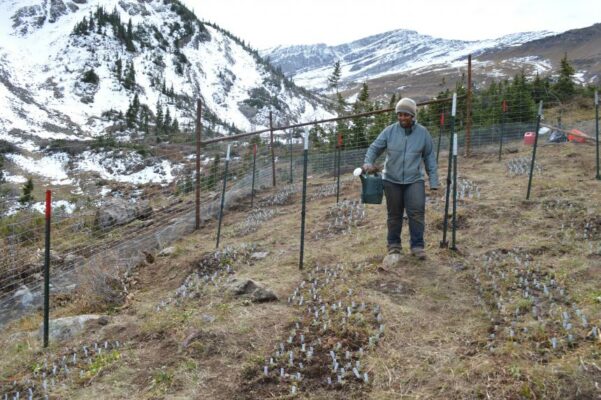
A new study sheds light on how plants respond to stressful environmental conditions presented by climate change. Researchers showed that plants grown in drier conditions simulating the effects of climate change exhibited higher costs of reproduction than those grown under…