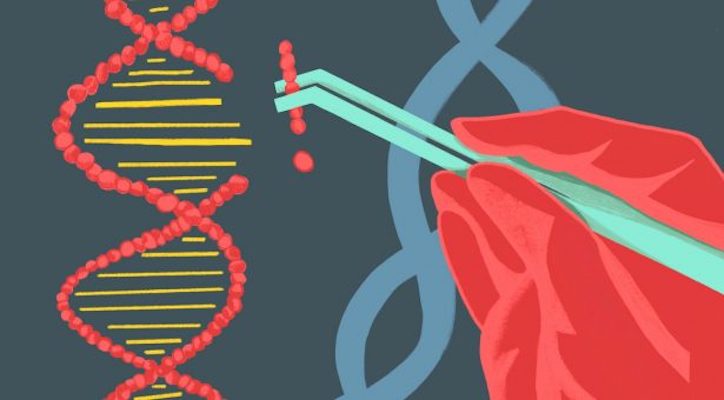

A European Court ruling widely interpreted to mean that all gene-edited organisms are GMOs (Genetically Modified Organisms) may not be as prescriptive as many first assumed.
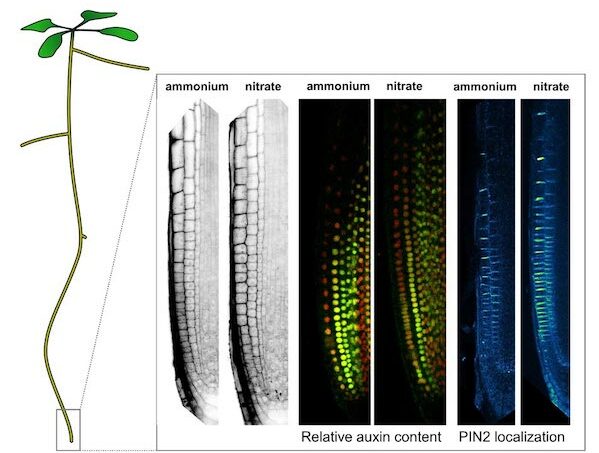
Nitrogen is one the most essential nutrients for plants. Its availability in the soil plays a major role in plant growth and development, thereby affecting agricultural productivity. Scientists were now able to show, how plants adjust their root growth to…
Hundreds of naturally occurring specialty fatty acids (building blocks of oils) have potential for use as raw materials for making lubricants, plastics, pharmaceuticals, and more—if they could be produced at large scale by crop plants. But attempts to put genes…
The flag leaf is the last to emerge, indicating the transition from crop growth to grain production. Photosynthesis in this leaf provides the majority of the carbohydrates needed for grain filling—so it is the most important leaf for yield potential.…
Climate warming is linked to a widening interval between leaf unfolding and flowering in European trees, with implications for tree fitness and the wider environment, according to new research.
Plants have the same variation in body clocks as that found in humans, according to new research that explores the genes governing circadian rhythms in plants.
New research shows that since modern crop varieties were introduced in the developing world starting in 1961, they have substantially reduced infant mortality, especially for male babies and among poor households.
Some 9,000 years ago, corn as it is known today did not exist. Ancient peoples in southwestern Mexico encountered a wild grass called teosinte that offered ears smaller than a pinky finger with just a handful of stony kernels. But…
Bright red, tasty and healthy, that’s how we know and love bell peppers. A research team has deciphered in detail at the protein level what makes them turn red as they ripen. At the heart of the project are the…
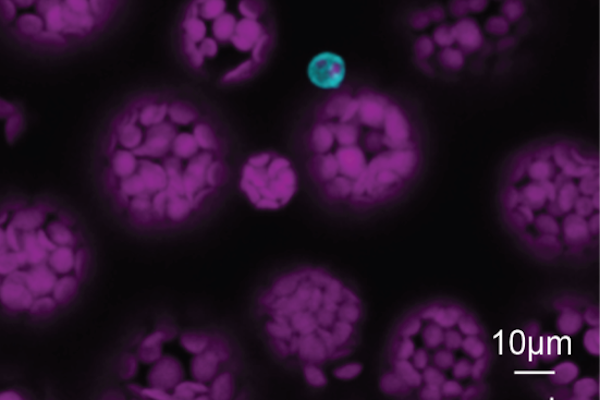
The genetic material of plants, animals and humans is well protected in the nucleus of each cell and stores all the information that forms an organism. In addition, cells contain small organelles that contain their own genetic material. These include…