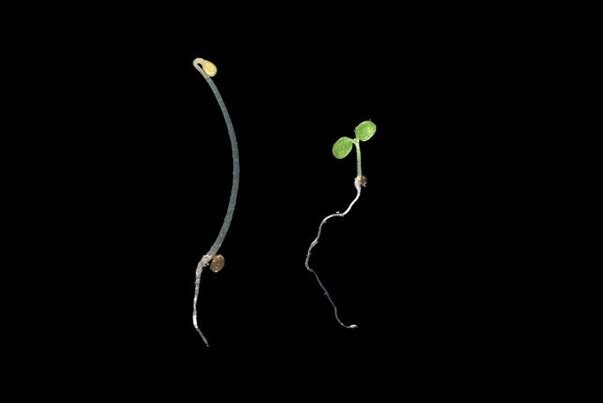


Scientists have figured out how plants respond to light and can flip this genetic switch to encourage food growth. The discovery could help increase food supply for an expanding population with shrinking opportunities for farming.
Predicting the spread of nonnative plants that have the potential to become invasive may seem like an unachievable goal. Recent research shows important, predictive clues can be found in how we live and work.
Researchers are optimistic the value and versatility of one of the world’s top crops will be improved following the discovery of genes which could increase the grain size of sorghum.
Around the world, honeybees are dying in large numbers. This die-off is in part because of a deadly virus that can kill bees or impair their ability to return to the hives after foraging. But researchers now show that a…
The global decline of pollinators threatens the reproductive success of 90 per cent of all wild plants globally and the yield of 85 per cent of the world’s most important crops. Pollinators – mainly bees and other insects – contribute…
Plants adapt to their nutritional needs by modifying the permeability of their roots through the production or degradation of a cork-like layer called suberin. By studying the regulation of this protective layer in Arabidopsis thaliana, an international team, has discovered four…
Chicory is a beautiful plant with blue flowers, but the interesting part is in the ground: the chicory taproots are a source of inulin, a natural sweetener that is used in bread and dairy products and as dietary fibre for…
Recently, a group of scientists, successfully developed a new high-yielding transgenic desi chickpea variety. For that, they used the chickpea cytokinin oxidase/dehydrogenase gene expressed under the chickpea WRKY31 gene promoter.
Plant breeders around the globe have worked for decades to create peanut varieties that can fight off fungal diseases, and several have been successful. Now DNA detectives show how important peanut seed exchange is to food security.
New research sheds fresh light on plant chloroplasts, and the proteins inside them. The regulation of chloroplast proteins is important for plant development and stress acclimation and is increasingly significant as plants - including our staple crops, wheat, rice, barley…