

PROTECTING PLANTS, PROTECTING LIFE

International Year of Plant Health 2020

Plants are the source of the oxygen we breathe, and ultimately of all the food we eat. The United Nations has declared 2020 as the International Year of Plant Health. The year is a once in a lifetime opportunity to raise global awareness on how protecting plant health can help end hunger, reduce poverty, protect the environment, and boost economic development. It will also highlight the vital role of national and regional plant health organizations in protecting plants from deadly pests and diseases.

Want to learn more? Here is our list of suggestions

  • The FAO official website on the International Year of Plant Health (IYPH2020)
  • The IPPC IYPH2020 website
  • The International Year of Plant Health in Australia IYPH2020 website
  • The American Phytopathological Society (APS) IYPH2020 website
  • The CABI IYPH2020 website
  • The British Association of Landscape Industries website
  • The International Institute of Tropical Agriculture (IITA) Website
  • The European and Mediterranean Plant Protection Organization (EPPO) IYPH2020 website
  • The European Food Safety Authority (EFSA) IYPH2020 website

Looking for Plant Health Events? Click here

Facts

Plant health in numbers

  • Plants makeup 80% of the food we eat and produce 98% of the oxygen we breathe

  • Plant pests are responsible for the loss of up to 40% of global food crops, and for trade losses exceeding USD 220 billion in agricultural products annually

  • The annual value of trade in agricultural products has grown almost three-fold over the past decade, largely in emerging economies and developing countries, reaching USD 1.7 trillion.

  • FAO estimates that agricultural production must rise by about 60% by 2050 in order to feed a larger and generally richer population.

Key messages

International Year of Plant Health (IYPH) 2020

  1. It is risky to bring plants and plant products across borders as this may spread plant pests and diseases.
  2. Make trading in plants and plant products safe without setting up unnecessary barriers.
  3. Keep plants healthy to protect the environment and biodiversity.
  4. Protect, manage and restore terrestrial and marine environments to keep plants healthy.
  5. Invest in plant health organizations and phytosanitary research and development.
  6. Healthy plants are crucial for ending hunger and achieving the Sustainable Development Goals.
  7. The Food and Agriculture Organization of the United Nations (FAO) and the International Plant Protection Convention (IPPC) provide guidance and lead global efforts to ensure plant health.

Plant Health Related News

The study found that ribwort plantain meadows located close to agricultural land contained more plant viruses compared to meadows surrounded by natural environments.
Richness of plant species reduces the number of viral infections in meadows NewsPlant HealthPlant ScienceScandinavian Plant Physiology Society

Richness of plant species reduces the number of viral infections in meadows

A new study indicates that agricultural activity confuses the mechanisms that regulate the occurrence of plant diseases in nature. A wider variety of virus species was found in meadows close to agricultural fields compared to those located in natural surroundings,…
Isabel
10/03/2021
Prosopis juliflora
Prosopis juliflora acutely reduces water resources in Ethiopia, costing rural livelihoods AgricultureForestryNewsPlant HealthPlant Science

Prosopis juliflora acutely reduces water resources in Ethiopia, costing rural livelihoods

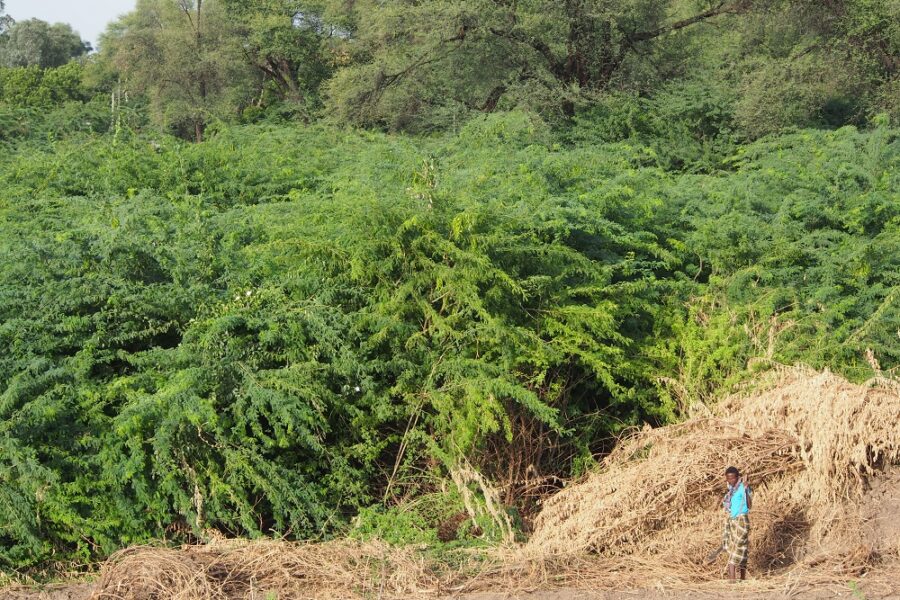
New research has revealed how an invasion of the alien evergreen tree, Prosopis juliflora seriously diminishes water resources in the Afar Region of Ethiopia, consuming enough of this already scarce resource to irrigate cotton and sugarcane generating some US$ 320 million and…
Isabel
26/02/2021