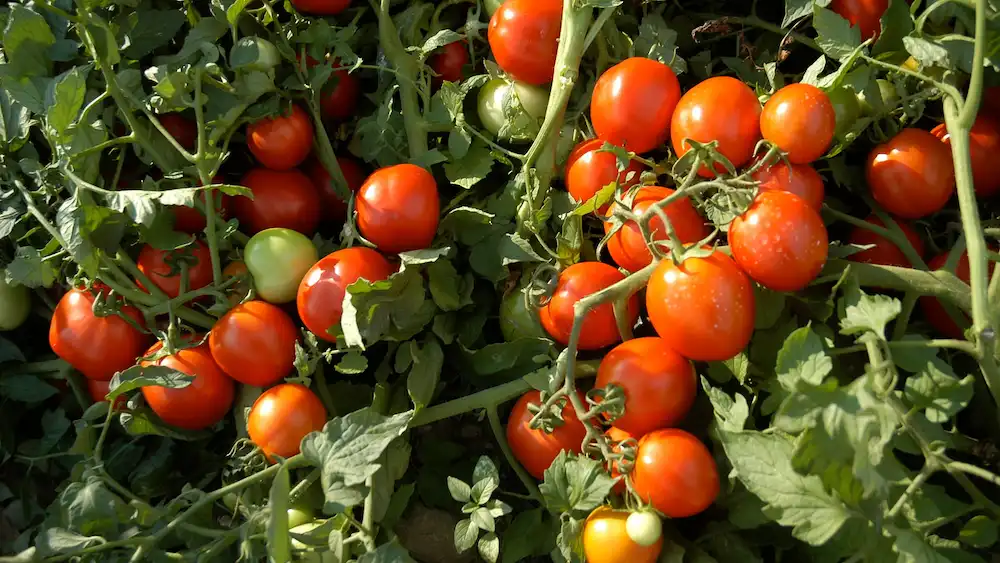


A new study highlights and quantifies the effectiveness of agroforestry practices in mountain agricultural systems to mitigate the effects of climate change while improving agricultural resilience and protecting biodiversity.
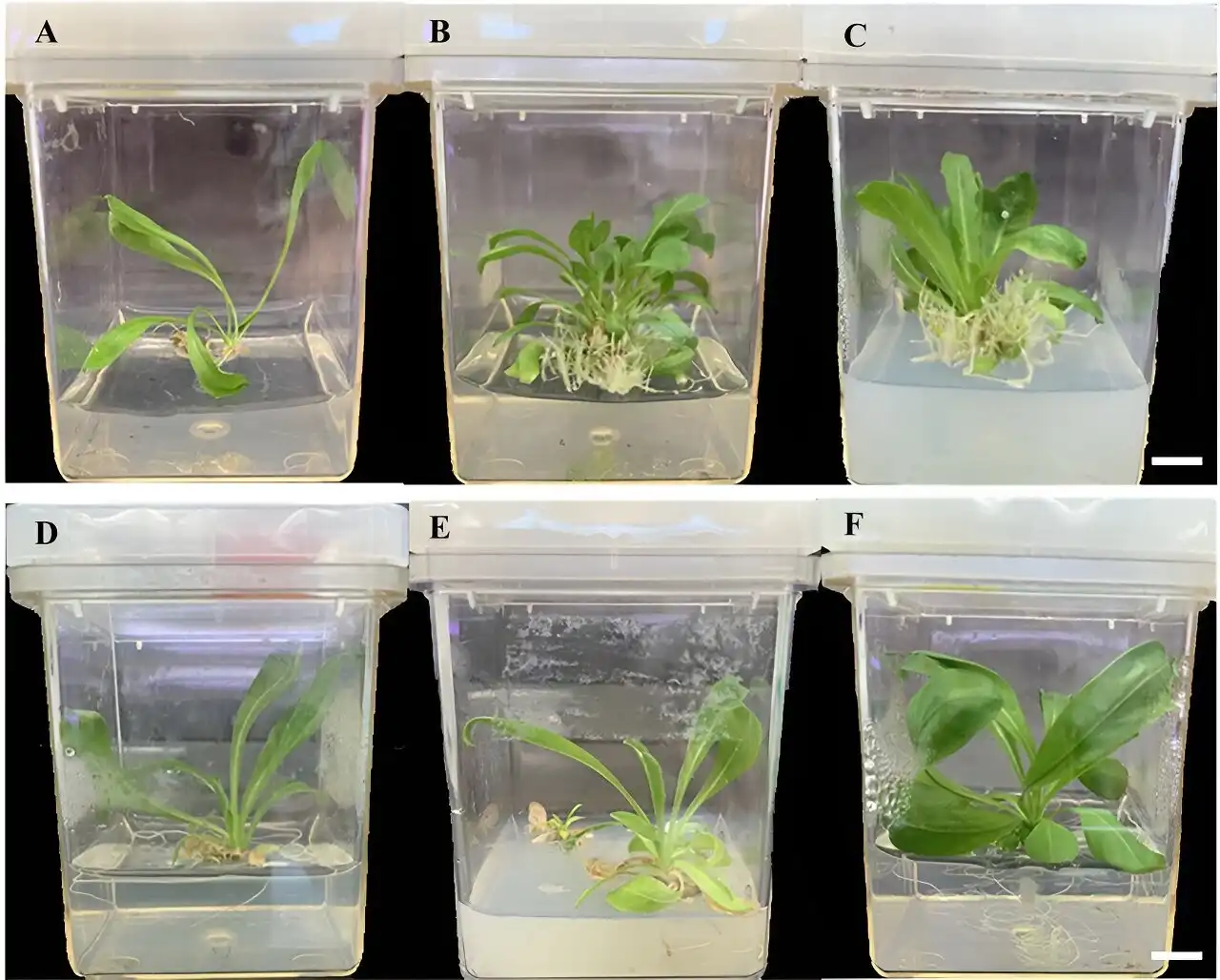
New research unveils orchid family's 85-million-year-old origin on Laurasia, thriving with dinosaurs. Recent diversity explosion suggests speciation secrets crucial for conservation. Insights from scientists urge protection of these biodiversity gems amidst alarming extinction rates. Orchids, vital evolutionary enigmas, hold keys…
Weedy rice, a persistent agricultural pest resembling cultivated rice, thrives by hybridizing with wild rice in Southeast Asia, giving it a competitive edge. Genetic studies reveal diverse pathways to adaptation, complicating efforts to manage this costly weed. Farmers employ various…
Researchers have uncovered the potential of a common water fern, "Azolla caroliniana" Willd, to alleviate food insecurity. This fast-growing plant, rich in nutrients, could serve as a crucial food source during disasters. With low phenolic content and various cooking methods,…
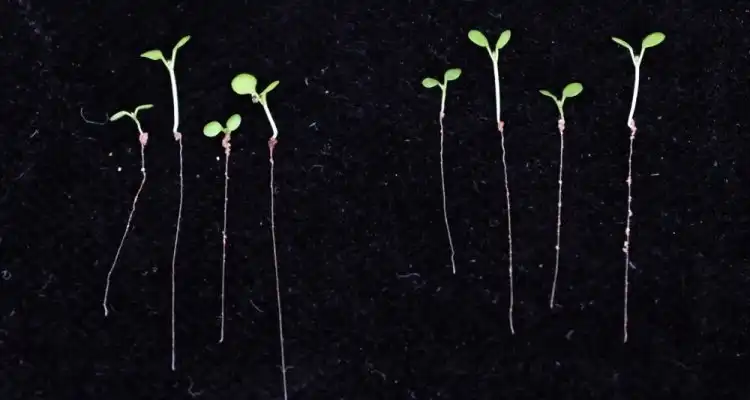
A study unveils a novel approach to identify pivotal regulators in wheat spike development. By integrating omics and population genetics, researchers pinpoint 227 potential factors. Phenotypic screening of 61 genes led to 36 mutations, validating the method's efficacy.
Climate change has advanced flowering in Doñana National Park by 22 days, as researchers discovered. Over 35 years, rising temperatures shifted peak flowering from May 9th to April 17th. This alters plant interactions, impacting pollinators and ecosystem dynamics, highlighting climate's…
Africa's forests, constituting 14% of global cover, face accelerating decline due to human-driven economic activities, impacting climate and biodiversity. A study provides high-resolution mapping of post-deforestation land use, aiding conservation efforts and supporting the EU's Deforestation Regulation, crucial for sustainable…
A recent study reveals that the flavor of tea isn't just about the leaves—it's also about the microbes on the roots. By manipulating these microbes, researchers enhanced the amino acid content, improving tea quality. This discovery could lead to sustainable…
Researchers used text analytics on historical and contemporary writings, including tweets, to trace the spread of Phytophthora infestans, the pathogen behind the 1840s Irish potato famine and ongoing potato and tomato issues. By analyzing keywords and social media, they shed…
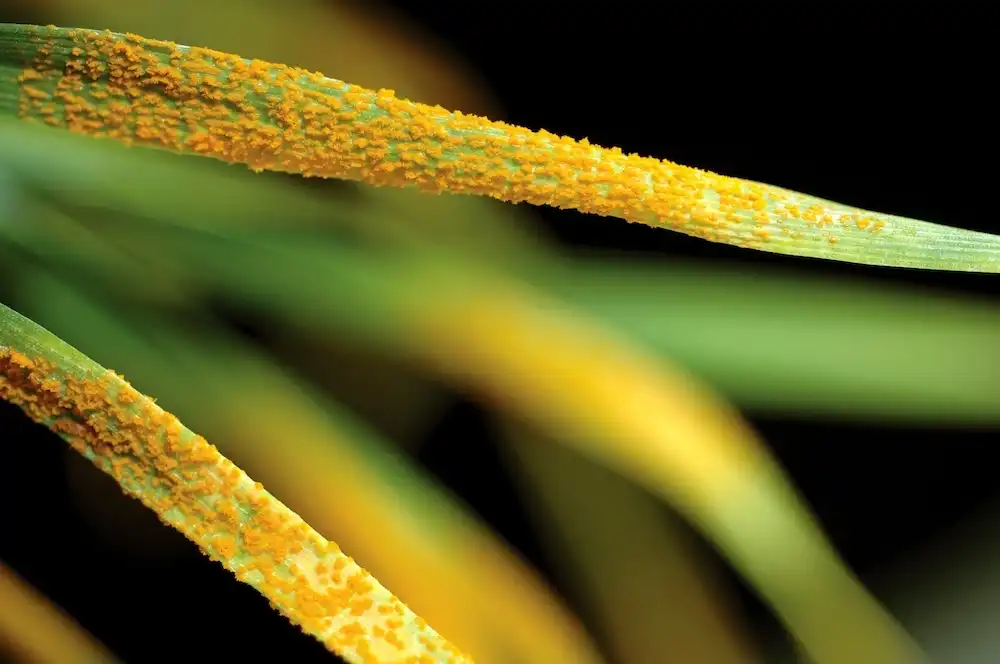
Researchers have developed an RNA-based spray to combat myrtle rust, an invasive fungal disease threatening native Australian plants. The treatment not only prevents infection but also cures already infected plants. This breakthrough offers hope for preserving vulnerable plant species.