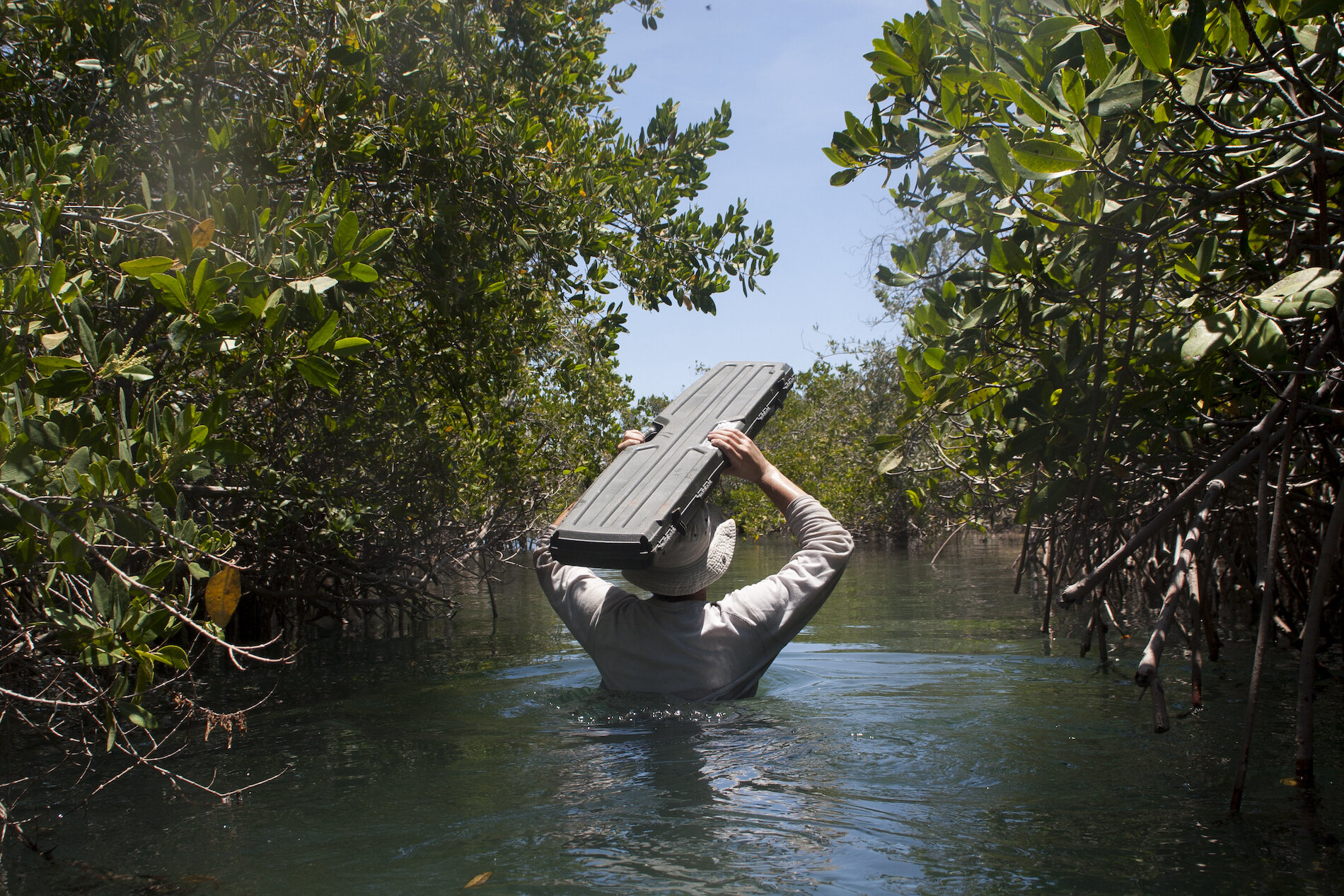
Researchers have identified a new reason to protect mangrove forests: they’ve been quietly keeping carbon out of Earth’s atmosphere for the past 5,000 years.
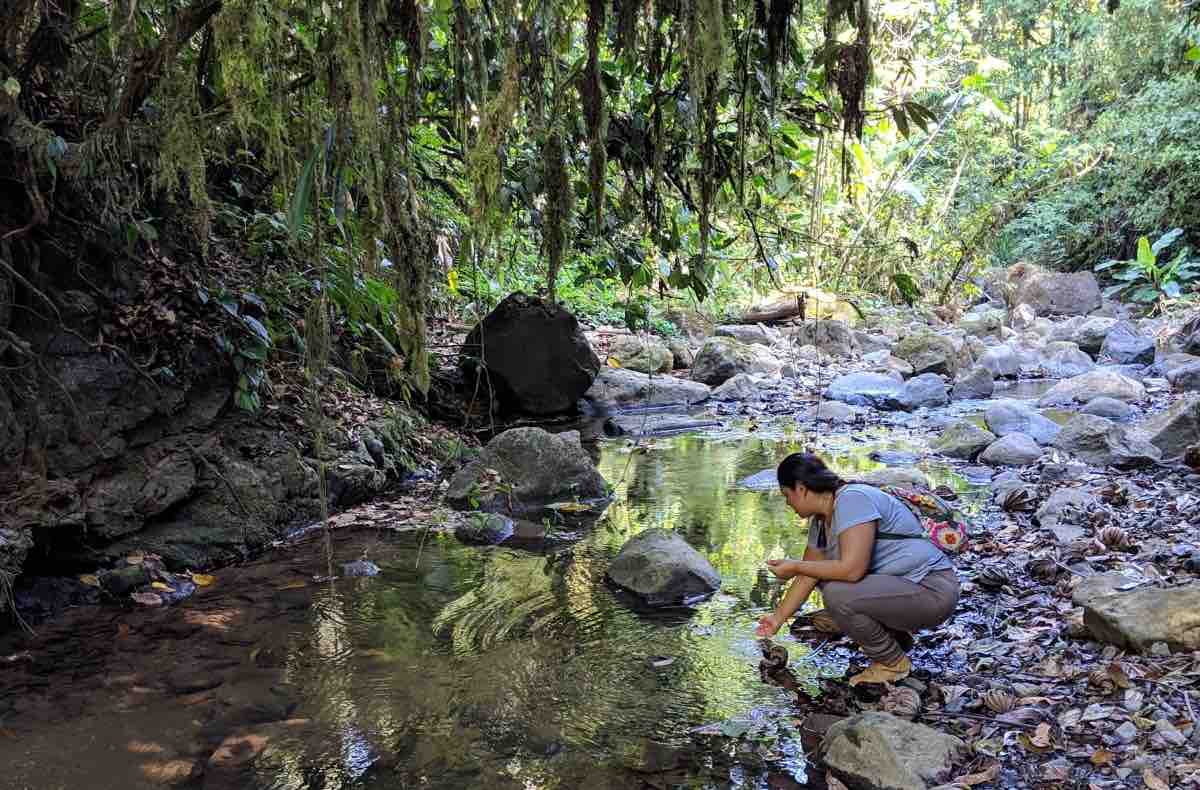
A new study in Costa Rica reveals that restoring relatively narrow strips of riverfront forests could substantially improve regional water quality and carbon storage. The analysis, shows that such buffers tend to be most beneficial in steep, erosion-prone, and intensively fertilized…
A team of environmental scientists has written a follow-up paper to their study published last year that warned that approximately one-third of tree species around the world are in danger of extinction. In this new paper, the group explains why…
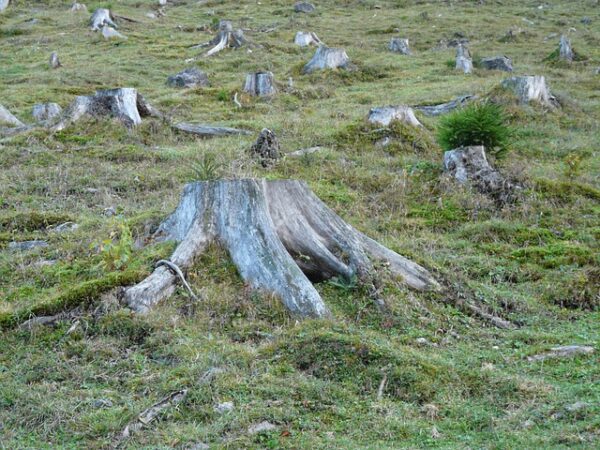
Agriculture drives more than 90 percent of tropical deforestation. Halting deforestation will require a step-change in approach and to be effective measures must address underlying and indirect roles of agriculture, says a new study.
Researchers have developed a novel value chain for production of textile and bio-fuel from fast-growing poplars. By applying sustainable catalysis on these poplars grown on marginal land in Nordic climates, the demand for cotton can be reduced. Consequently, considerable areas…
Planting forests is one way to mitigate climate change. The origin of seeds is crucial to optimize the success of planted trees and their ability to adapt to future climates.
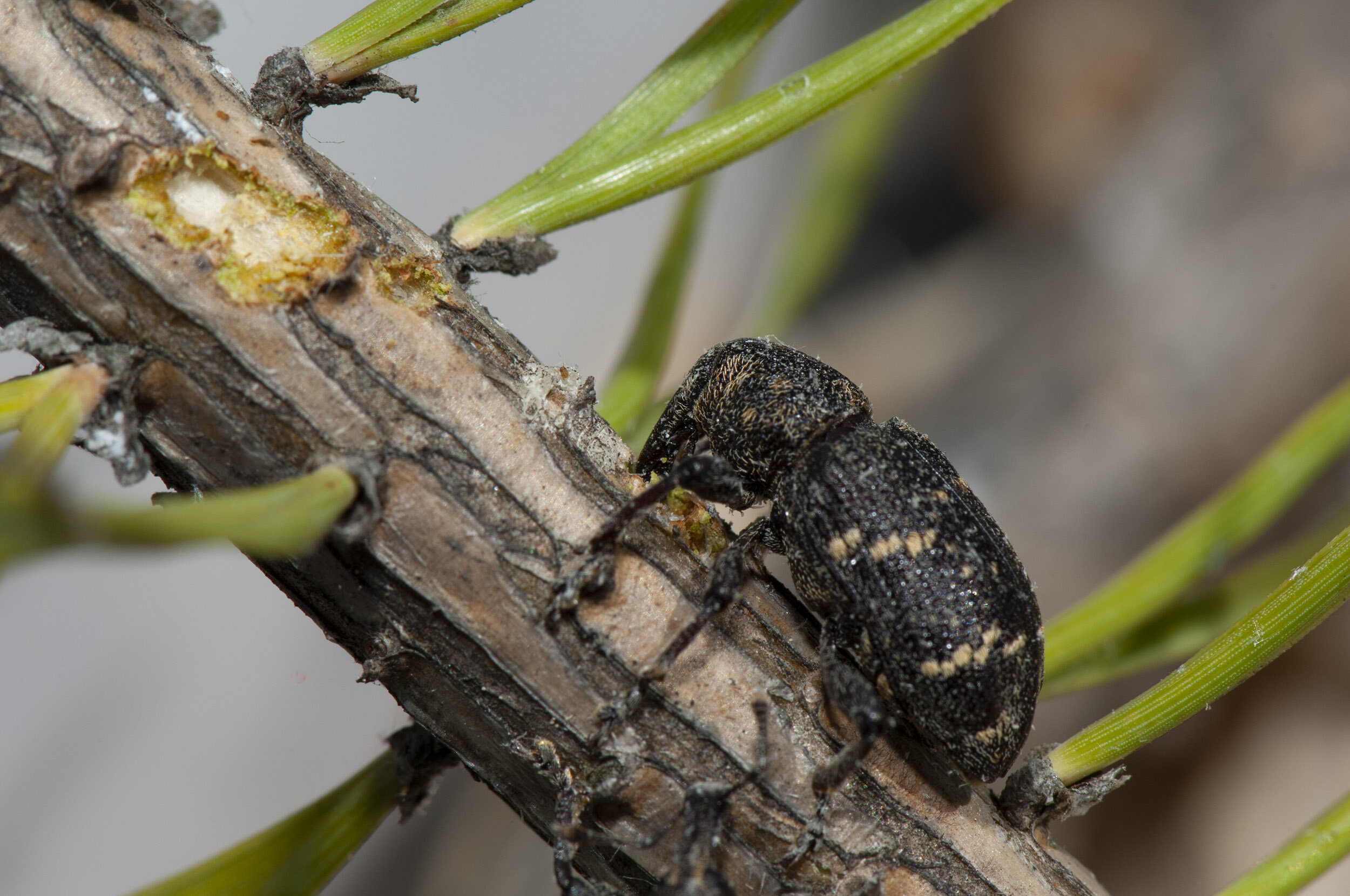
Over the last century, emerging diseases have progressively been recognized by the scientific community as the main threat to forest ecosystems. With increasing international trade and globalization, the introduction of non-native species into new environments has exacerbated the problems of…
A new study shows that it took more than 10 millennia from when the first spruces returned to Sweden after the glacial stage of the last Ice Age until the species became widespread. This sluggish rate of initial dispersal has…
A potentially invaluable resource for forest biodiversity and bioeconomy policymakers, a new data set shows current distributions of 67 European tree species and predicts their future distribution under two emissions scenarios.