Nature-based climate solutions, such as planting trees, won’t be anywhere near as big a part of the world’s solution to climate change as governments currently plan for, and relying on them is ‘risky’ according to a report.
New research has made significant strides in understanding how coniferous forest ecosystems may respond to climatic changes. The study investigates the relationship between tree-ring indices (TRI) and the Normalized Difference Vegetation Index (NDVI) in the context of climate, topography, and…
Plants emit odours for a variety of reasons, such as to communicate with each other, to deter herbivores or to respond to changing environmental conditions. An interdisciplinary team of researchers carried out a study to investigate how biodiversity influences the…
New research reveals that deforestation in the Amazon not only warms immediate surroundings but also impacts areas up to 100 kilometers away. Analyzing data from 2001 to 2020, the study links regional forest loss to a significant temperature rise—4.4 °C…
Urban environments have become hotspots for understanding how rapid evolution occurs in response to extreme environmental changes. These habitats exert selective pressures on resident organisms that impact their evolutionary trajectories. Recently, researchers from Japan investigated how the creeping woodsorrel plant…
For several years, ecological research has argued that climate often has no determining influence on the distribution of forests and savannas in tropical regions. However, an international research team has now succeeded in proving that it depends mostly on climatic…
Some southern beeches in the Andes have plumbed deeper for moisture as the surface has dried up. But doing so may deplete resources and undermine the trees’ future health.
The study reveals a relatively stable sugar-starch partitioning pattern in mountain trees across the world, which predominately modulates the balance of carbon assimilates between supply and demand. It provides implications for understanding how trees respond to climate change in terms of carbon…
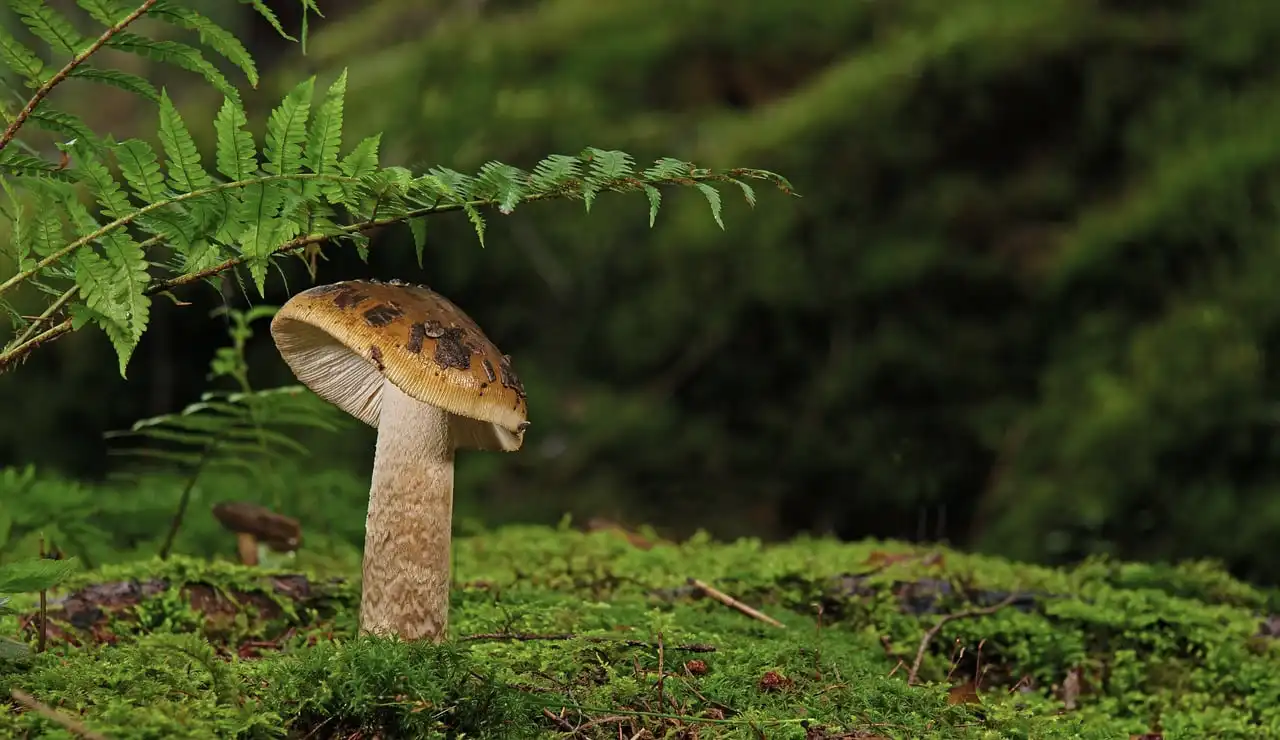
Growing edible mushrooms alongside trees can produce a valuable food source for millions of people while capturing carbon, mitigating the impact of climate change, a new study has found.
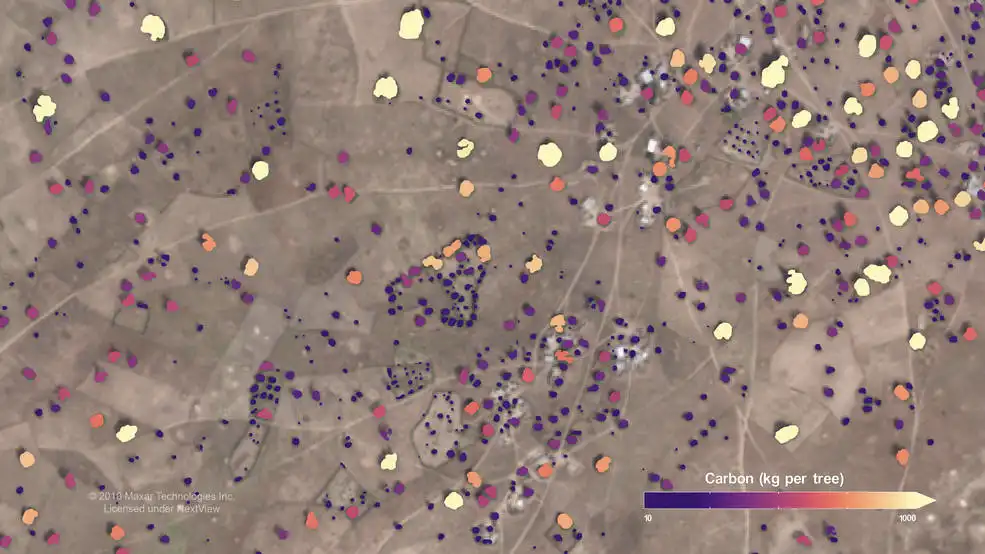
Using commercial, high-resolution satellite images and artificial intelligence, an international team mapped almost 10 billion individual trees in Africa’s drylands to assess the amount of carbon stored outside of the continent’s dense tropical forests. The result is the first comprehensive…