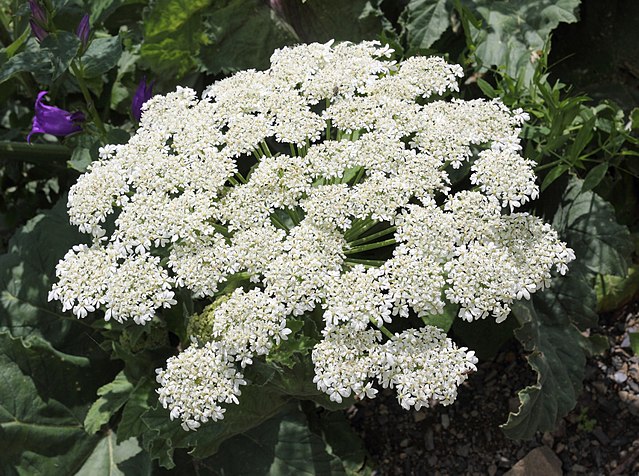
Researchers are forecasting that by 2040-60, Sosnowsky’s hogweed will likely exploit global warming to expand its habitat, threatening to infest almost the entire European part of Russia.
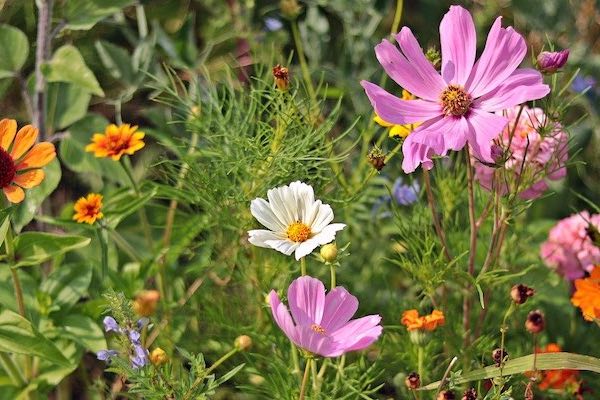
The length of time a flower remained open (i.e., from anthesis to flower senescence) is called floral longevity. Floral longevity has been considered as one of the most important reproductive traits as it determines opportunities for pollen dispersal and capture…
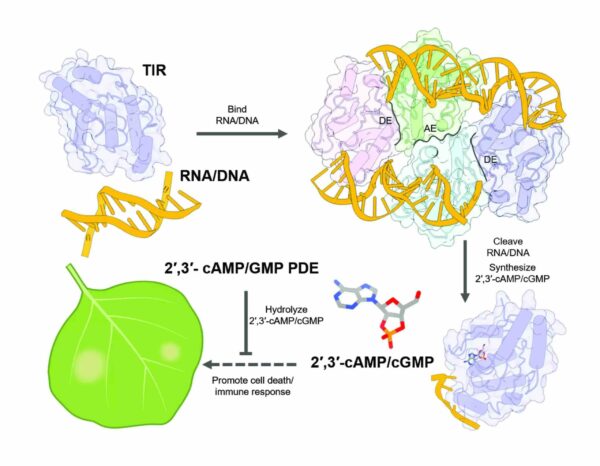
Delighted to announce the winning Research Topic from the 2021 Global Plant Council Prize: “Systematic Resistance and Defense Priming Against Pathogens”, led by Dr. Nicolás M. Cecchini (CONICET and National University of Córdoba, Argentina) and Dr. Ho Won Jung (Dong-A…
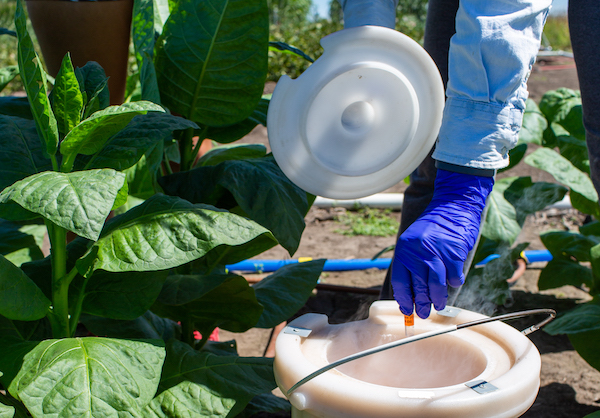
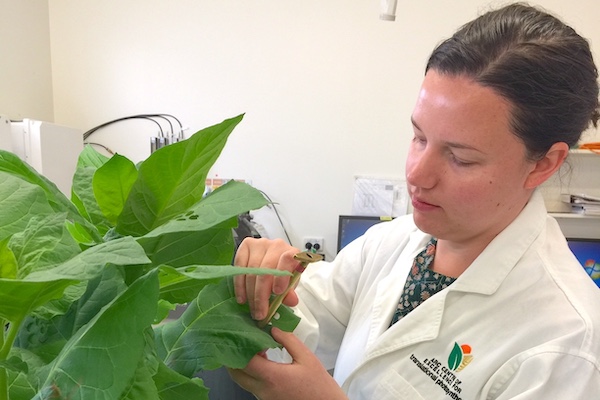
In a recent study a team of researchers tested the potential for increased plant productivity and intrinsic water-use efficiency through the overexpression of inorganic carbon transporter B (ictB) in field-grown tobacco. However, their results showed no significant difference between the…
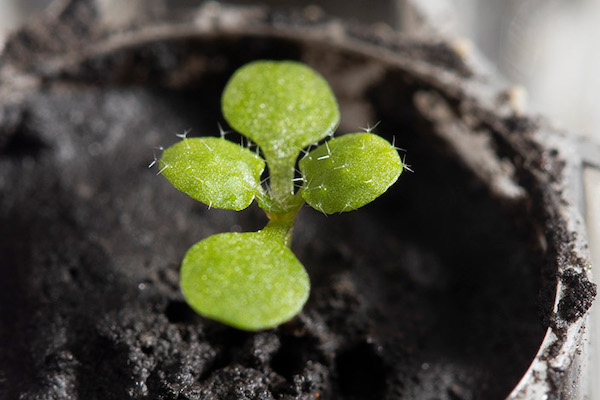
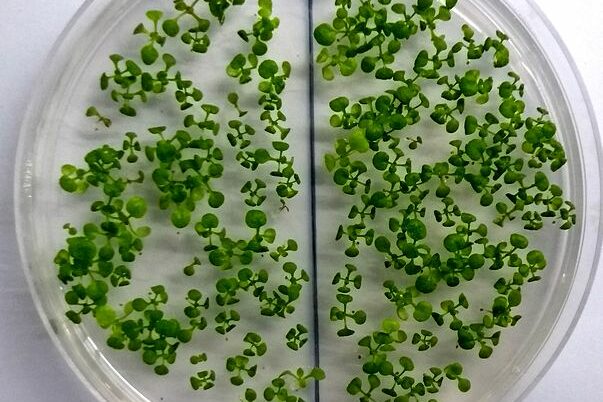
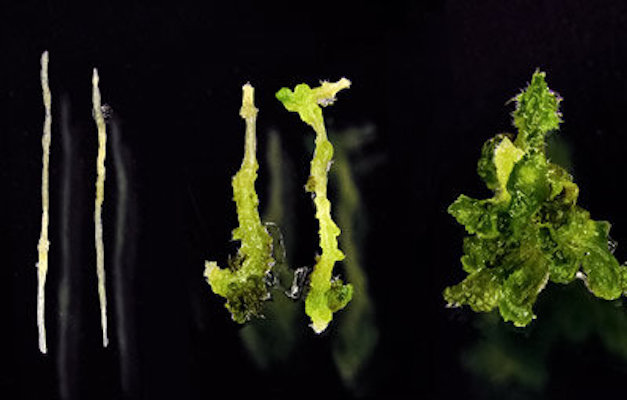
Warm temperatures strongly enhance the regeneration of thale cress shoots, plant scientists have found. They have also uncovered the molecular mechanism behind this effect, which will help optimize the regeneration of plant cuttings for both plant-science research and horticulture.
What will happen to the world’s forests in a warming world? Will increased atmospheric carbon dioxide help trees grow? Or will extremes in temperature and precipitation hold growth back? That all depends on whether tree growth is more limited by…
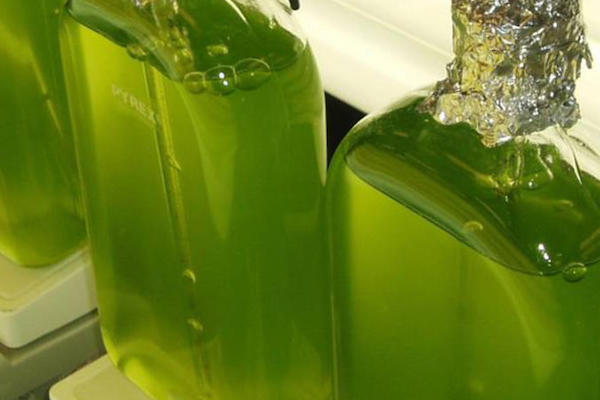
A new study has discovered the functions of hundreds of genes in algae, some of which are also present in plants. The achievement will help efforts to genetically engineer algae for biofuel production and develop strains of agricultural crops that can…
Modifying photosynthesis has increasingly been a research target to improve crop yields to feed a growing global population in the face of climate change and other environmental factors. In a recent study, a research team investigated the effects of increasing the amount…