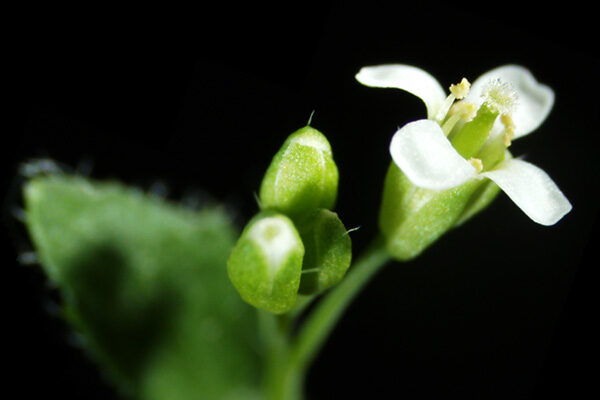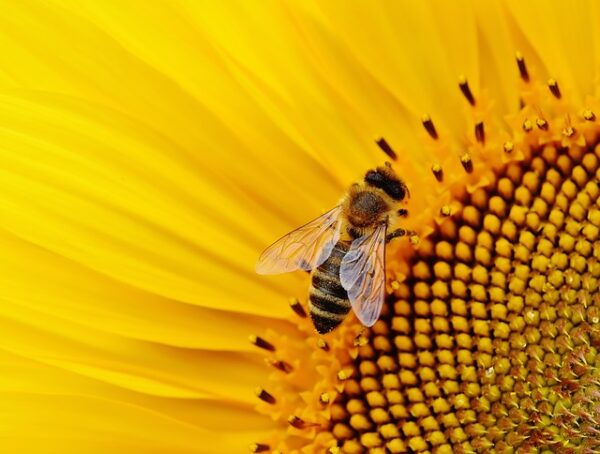

Flowers come in a multitude of shapes and colors. Now, an international research team has proposed the novel hypothesis that trade-offs caused by different visitors may play an important role in shaping this floral diversity.
A research team has created a computer model to understand how plants store energy in the thylakoid membrane, a key structure to photosynthesis in plant leaves. The team confirmed the accuracy of the mathematical model with lab experiments.
Scientists have discovered how plants manage to live alongside each other in places that are dark and shady. Moderate shade or even the threat of shade – detected by phytochrome photoreceptors – causes plants to elongate to try to outgrow…
An international study has revealed the structure of a membrane-remodeling protein that builds and maintains photosynthetic membranes. These fundamental insights lay the groundwork for bioengineering efforts to strengthen plants against environmental stress, helping to sustaining human food supply and fight…
The Musa genus, which includes over 70 species and around 1,000 cultivars of bananas, represents a globally important source of food and livelihoods. MusaNet collects and shares global resources on banana (Musa) across the whole value chain – from collecting…
As well as bright colours and subtle scents, flowers possess many invisible ways of attracting their pollinators, and a new study shows that bumblebees may use the humidity of a flower to tell them about the presence of nectar, according…
The first plant embryo gene expression atlas at the single cell level was developed by a team of researchers. The work is a milestone on the way to uncovering the molecular mechanisms that determine how the most fundamental plant cell-types…
Researchers continue to track the evolution of different strains of the plant pathogen that caused the Irish potato famine in the 1840s, which set down roots in the United States before attacking Europe