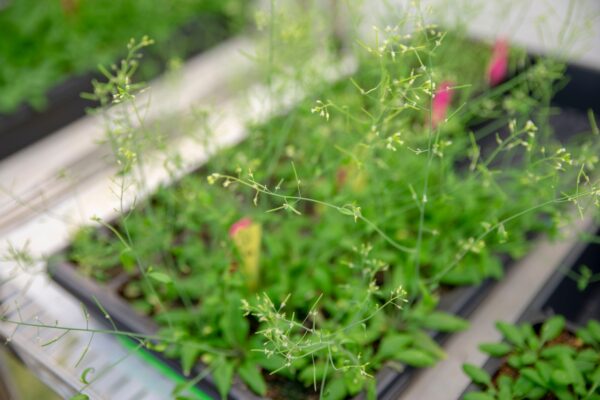
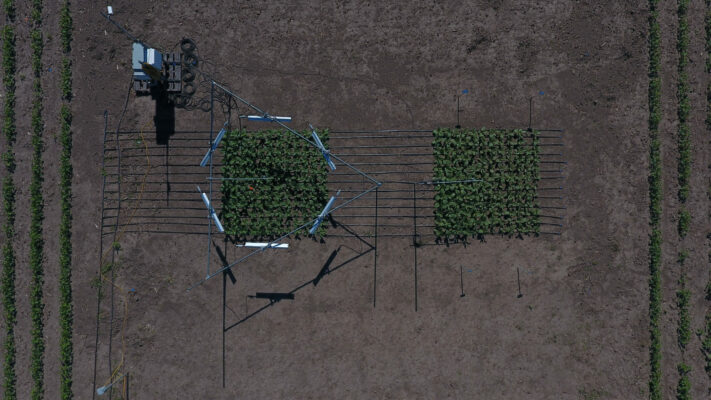
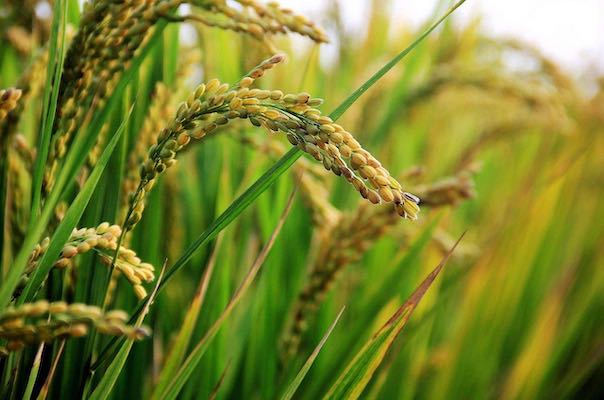
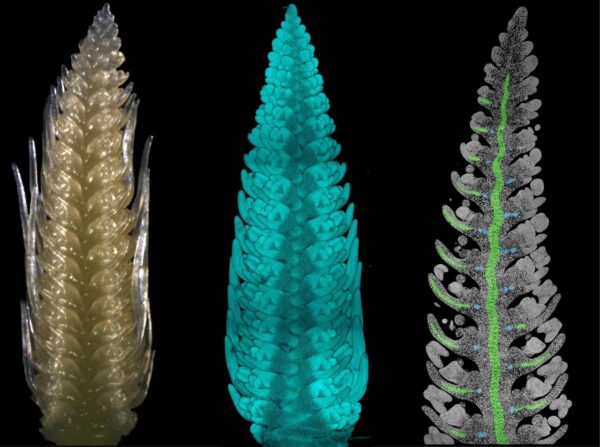
Growing up is a complex process for multi-celled organisms — plants included. In the days or weeks it takes to go from a seed to a sprout to a full plant, plants express hundreds of genes in different places at…
The world is warming quickly with no indication of slowing down. This could be catastrophic for the production of food crops, particularly in already warm areas.
Naturalized alien plants are causing a worldwide decline in the uniqueness of regional floras, according to the results of a global research project led by biologists.
Some plants master a special form of solar energy utilization that offers great advantages under warm conditions. A recent study now provides new insights into an enzyme that plays a central role in this so-called C4 photosynthesis.
Mosses and lichens in tropical rainforests emit highly reactive and particle-forming molecules that affect air quality, climate, and ecosystem processes.
Grass is cut regularly by our mowers and grazed on by cows and sheep, yet continues to grow back. The secret to its remarkable regenerative powers lies in part in the shape of its leaves, but how that shape arises has been a…
Rice is the main food staple for more than half of the global population, and as the population grows, demand for rice is expected to grow, too. But increasing global rice production is not a simple prospect.
Crops often have multiple genomes hybridised from their parents, a condition known as polyploidy. Previously plant breeding has used predictions based only on DNA sequence, but this research suggests that applying knowledge about RNA could help provide more accurate predictions…
Agriculture is the major player in contributing to global food security. Increasing our crop productivity is currently a challenging task due to the limitations of climatic change and decreasing of agricultural land. Sustainable agriculture has been considered an excellent solution…