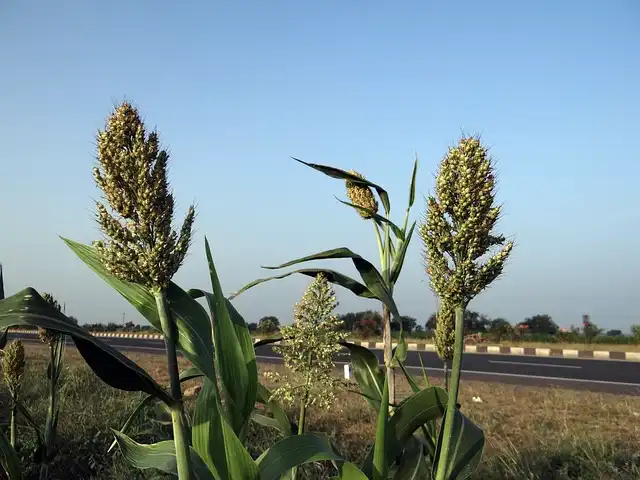
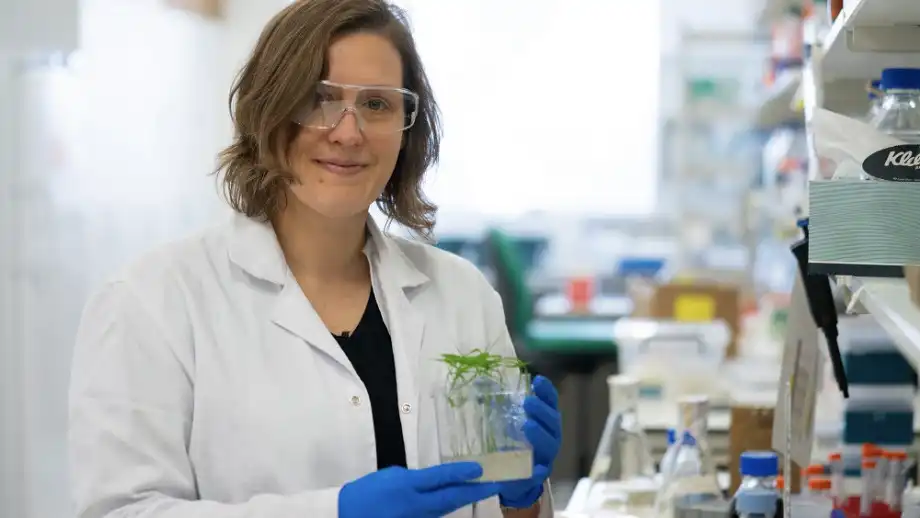
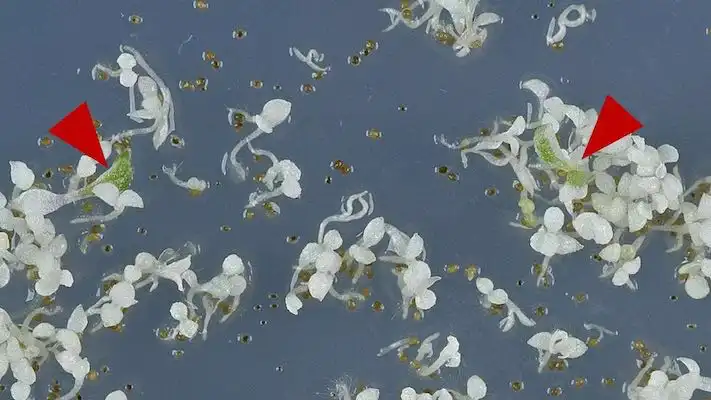
A gene discovered could help fortify the defenses of sorghum to anthracnose, a disease of the cereal grain crop that can inflict yield losses of up to 50 percent.
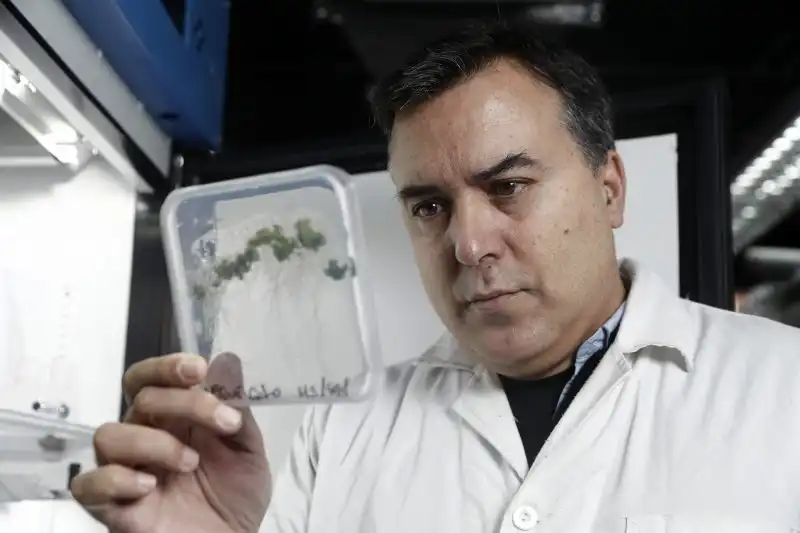
A new study suggests that, based on the identification of certain molecular mechanisms, it is possible to develop Super-Adaptable Plants (SAP) with higher nutrient absorption in unfavorable conditions.
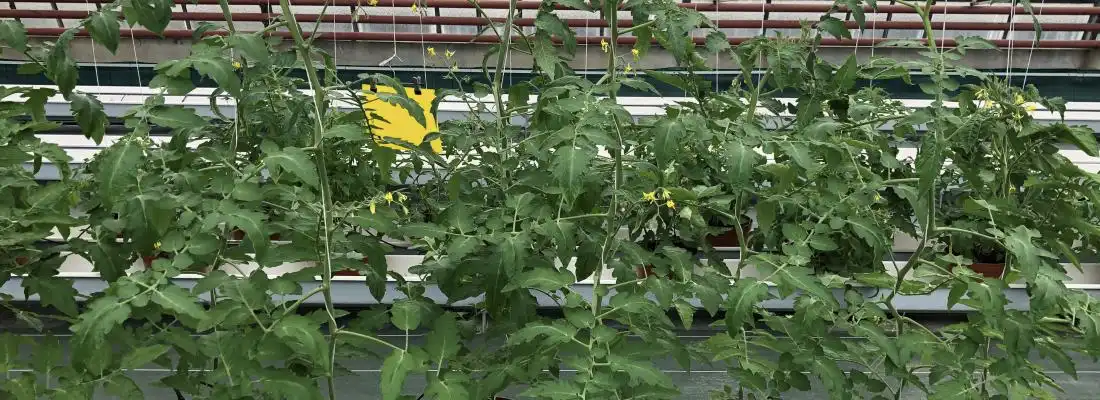
One of the impacts of climate change is the proliferation of viruses on cultivated plants. To reduce the use of pesticides and promote the deployment of agroecological practices, one strategy is to increase the natural resistance of plants to viruses.…
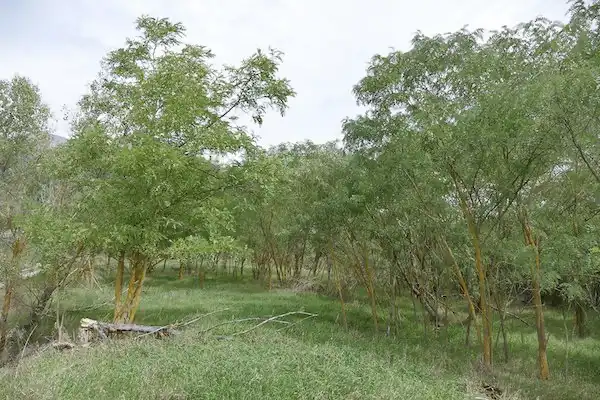
Non-native forest tree species can reduce native species diversity if they are planted in uniform stands. In contrast, the effects of introduced species on soil properties are small. This was found by an international review study.
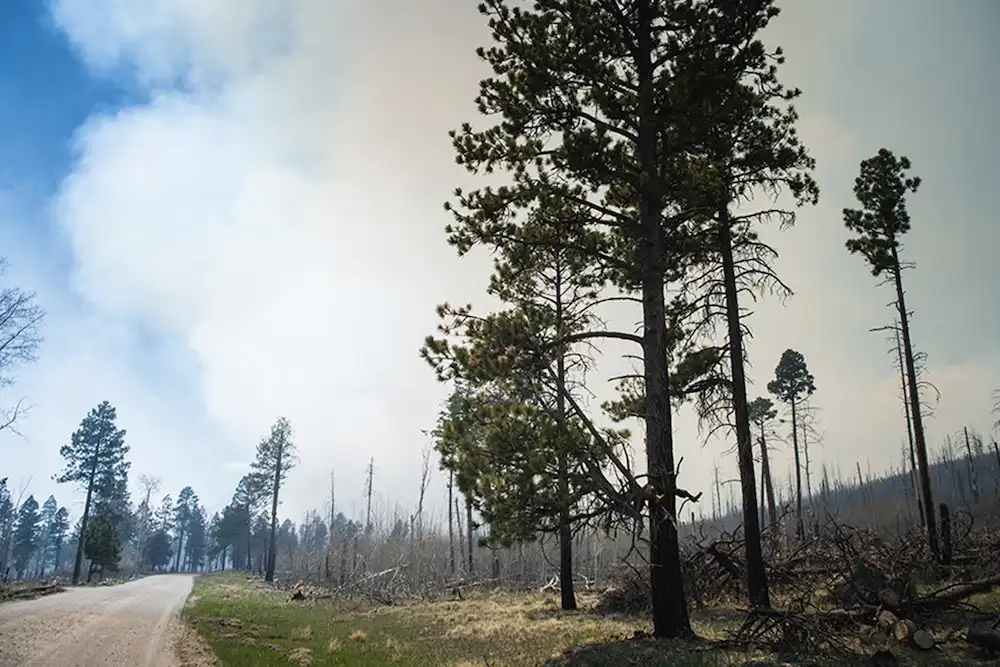
A new decade long study from South African National Parks examines the usefulness of high-intensity fires to prevent bush encroachment in the long term and introduces a new approach to tackling the issue.
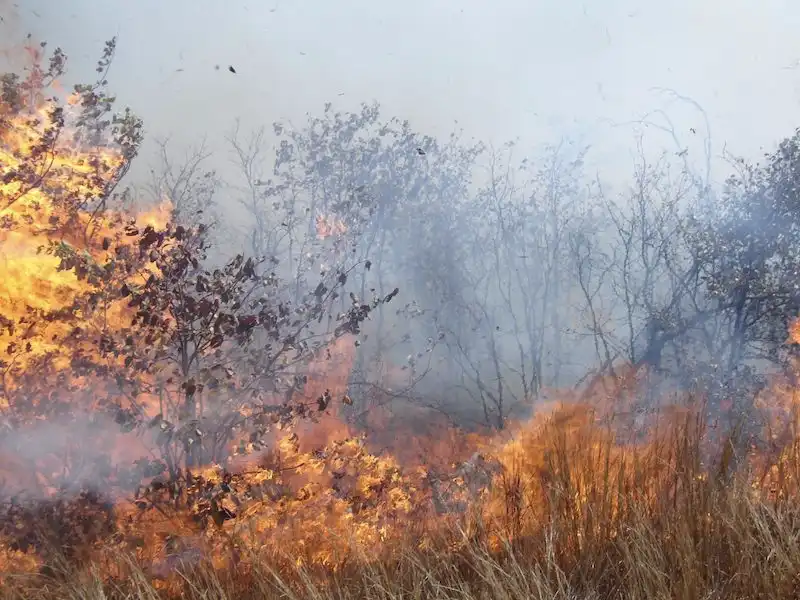
A new conceptual framework for incorporating the way plants use carbon and water, or plant dynamics, into fine-scale computer models of wildland fire provides a critical first step toward improved global fire forecasting.
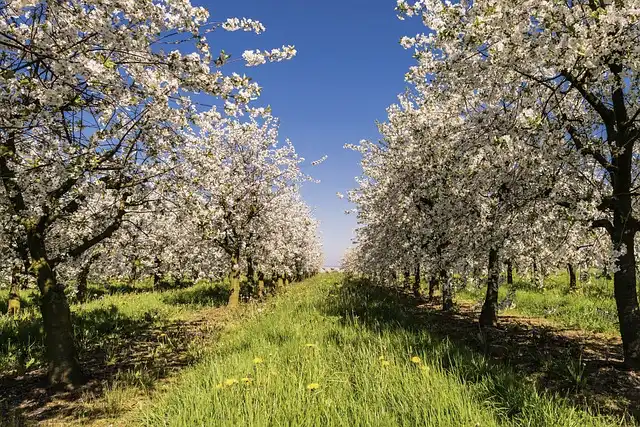
A machine vision system capable of locating and identifying apple king flowers within clusters of blossoms on trees in orchards was devised by researchers — a critical early step in the development of a robotic pollination system — in a…
Scientists are drawing inspiration from plants to develop new techniques to separate and extract valuable minerals, metals and nutrients from resource-rich wastewater.