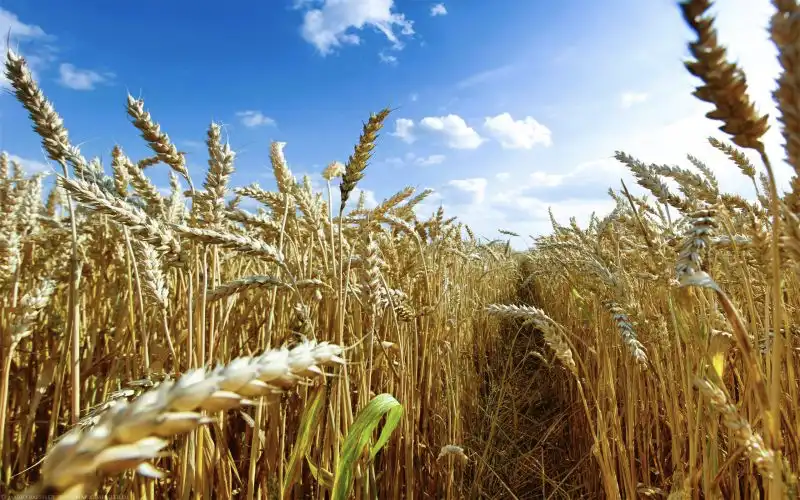
The DNA sequence of a gene in wheat responsible for resisting a devastating virus has been discovered, providing vital clues for managing more resistant crops and maintaining a healthy food supply.
Photosynthesis is the process whereby plants turn sunlight into the energy (sugars) that they need to survive and grow. For most plants, this happens in the leaves, which contain chlorophyll; a green pigment that is essential for photosynthesis as it…
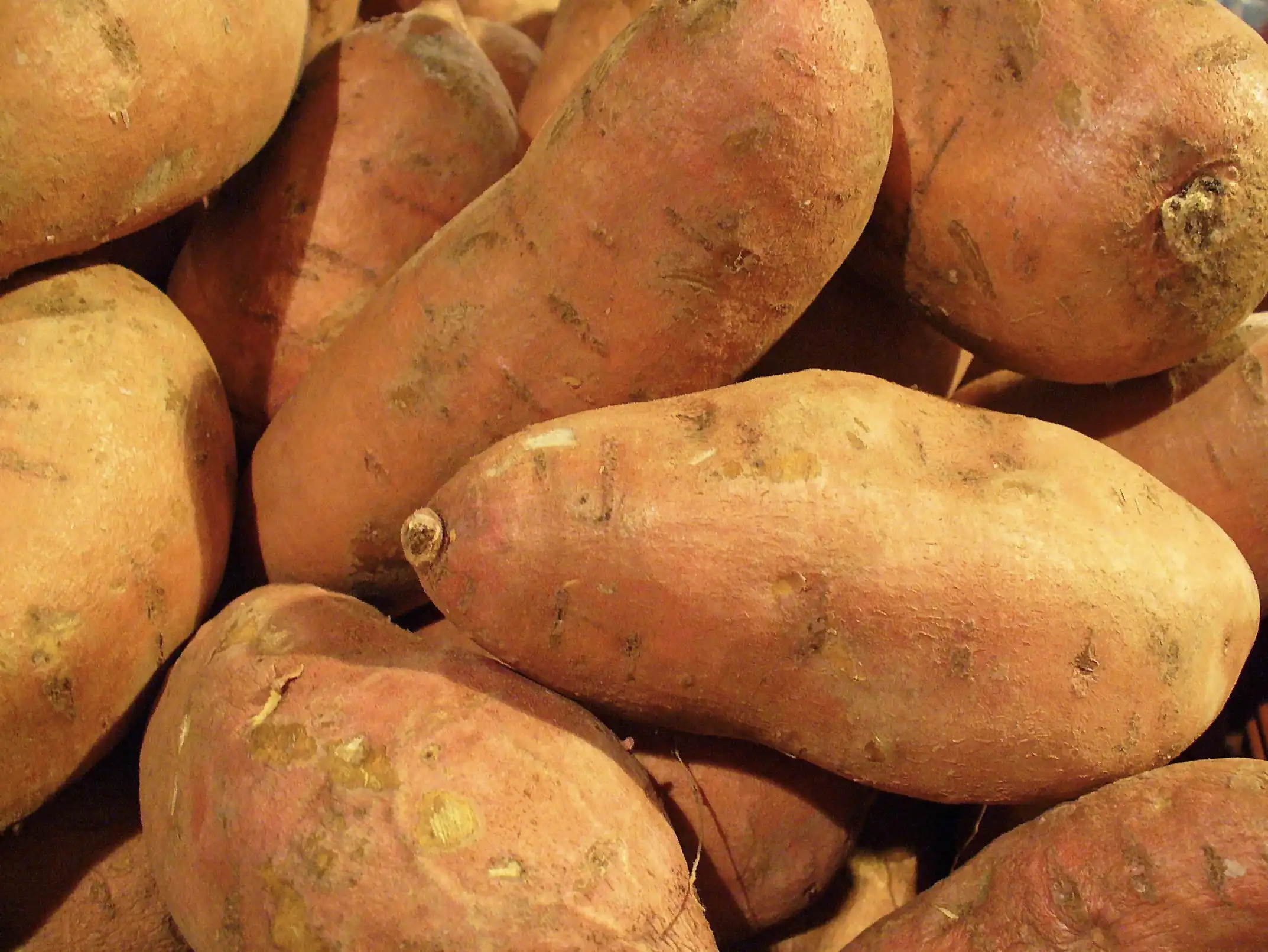
Researchers are developing new, insect-resistant, and weed-tolerant sweetpotato germplasm that will improve weed management and sustainability for this nutrient-packed vegetable.
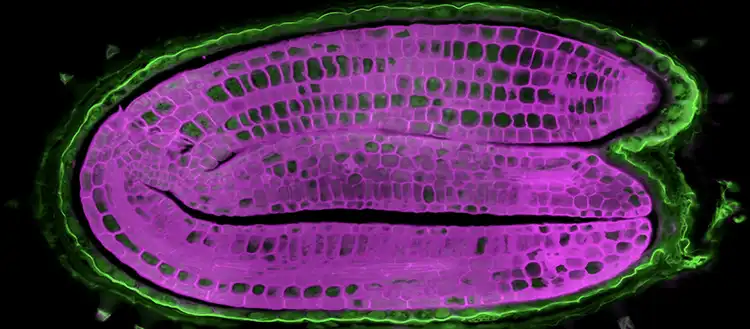
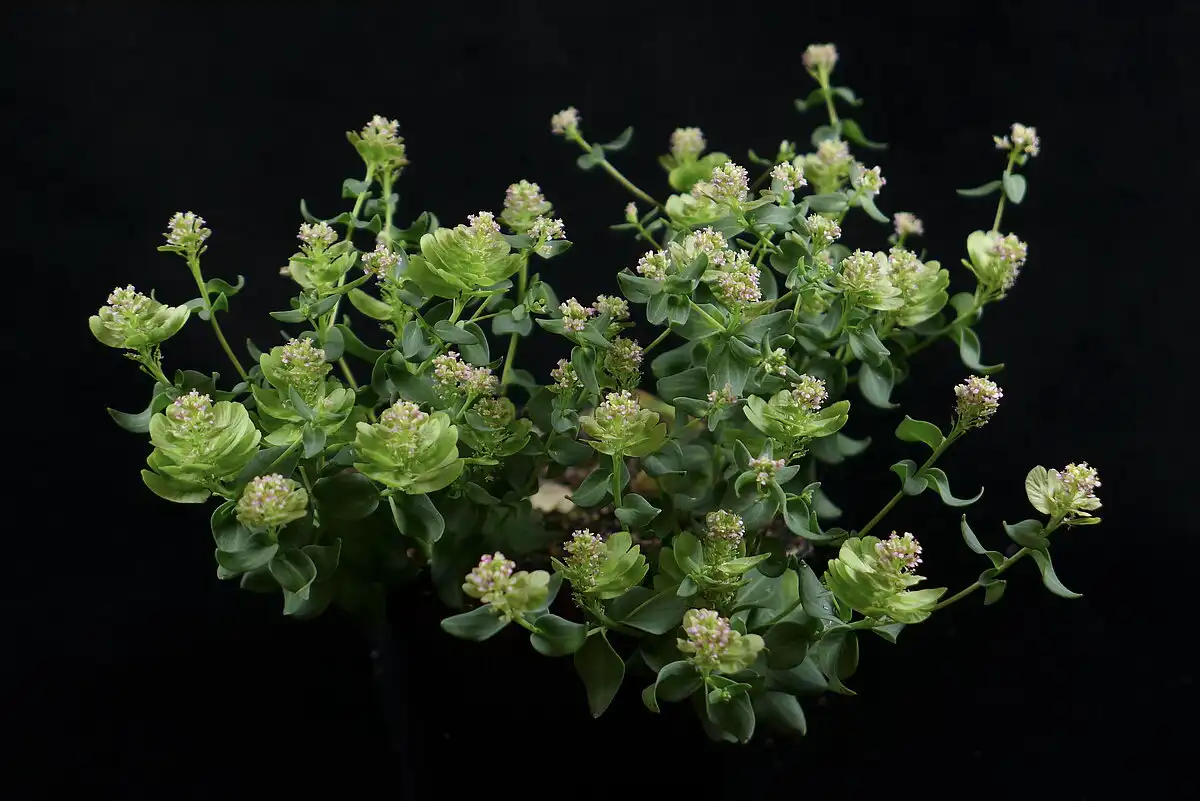
A research team has discovered the mechanisms by which the seed decides to remain in «hibernation» or to trigger its germination depending on the outside temperature.
Seed germination depends on light in many plants. But not always: Aethionema arabicum, a plant adapted to challenging environmental conditions, does it its own way. Here, the phytochromes, the receptors for red and far-red light, play an unexpected role in…
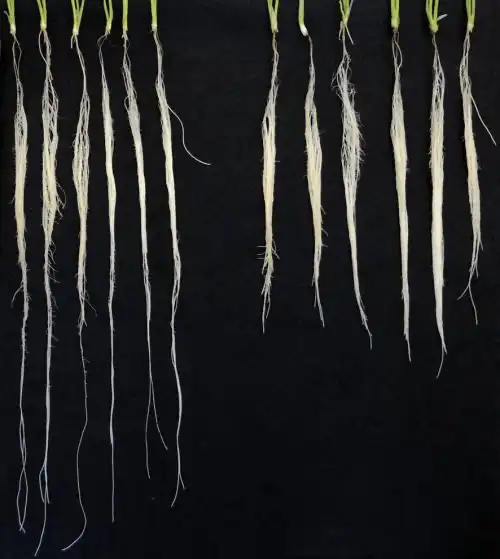
An international team of scientists found that the right number of copies of a specific group of genes can stimulate longer root growth, enabling wheat plants to pull water from deeper supplies. The resulting plants have more biomass and produce…
New research from the Swedish University of Agricultural Sciences has found that a plant’s natural ability to store seeds in soil, a method for preserving seeds in unfavourable conditions, is not as useful as once thought.
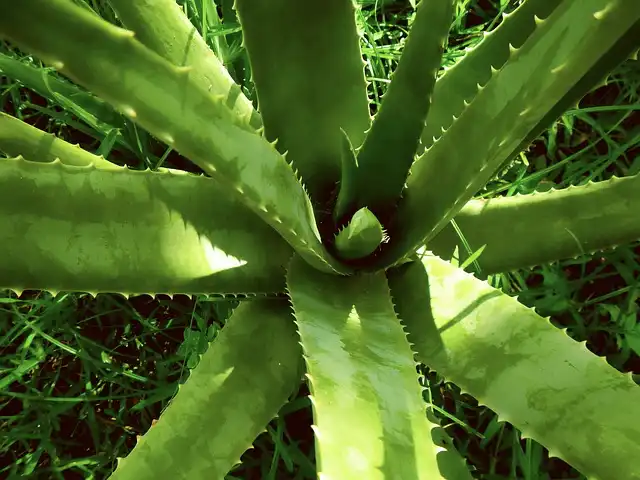
Aloe vera is a well-known plant species from the genus Aloe used throughout the globe in wide range of products from creams and soaps to drinks and over-the-counter products. The genus Aloe has been used in traditional medicine for centuries,…
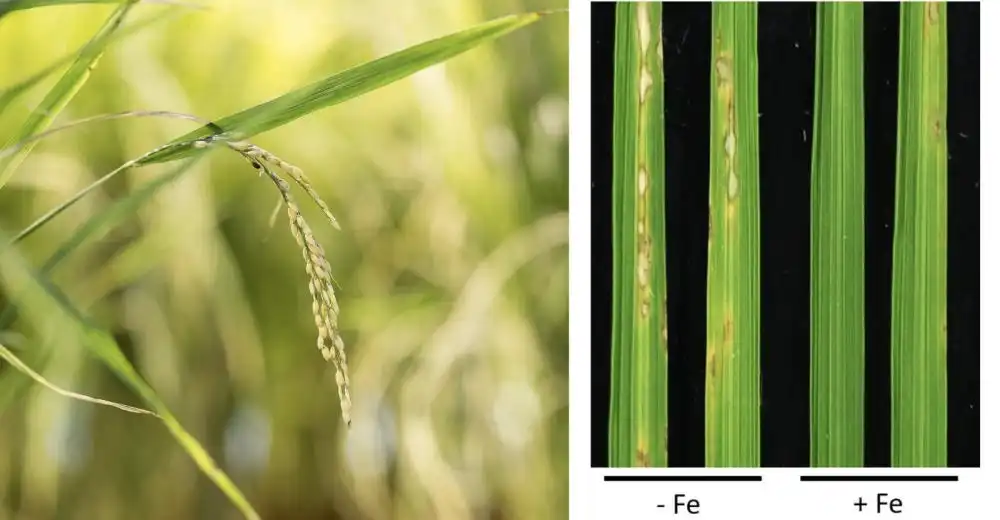
Rice (Oryza sativa L) is the world's most widely used cereal for human consumption and the second most produced in the world after maize. However, rice production is seriously threatened by rice blast, a fungal disease that has been reported in…