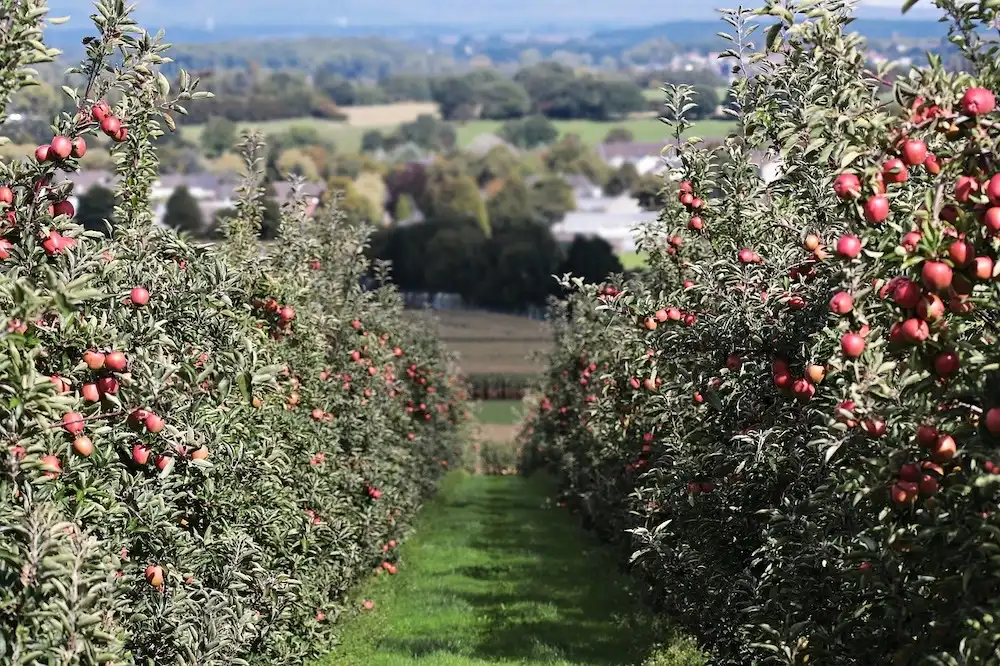

Older tree plantations can be more attractive to animals who are looking for a new home than younger plantations, according to a new study. In the tropics, older plantations also welcome a greater variety of different plants and animals –…
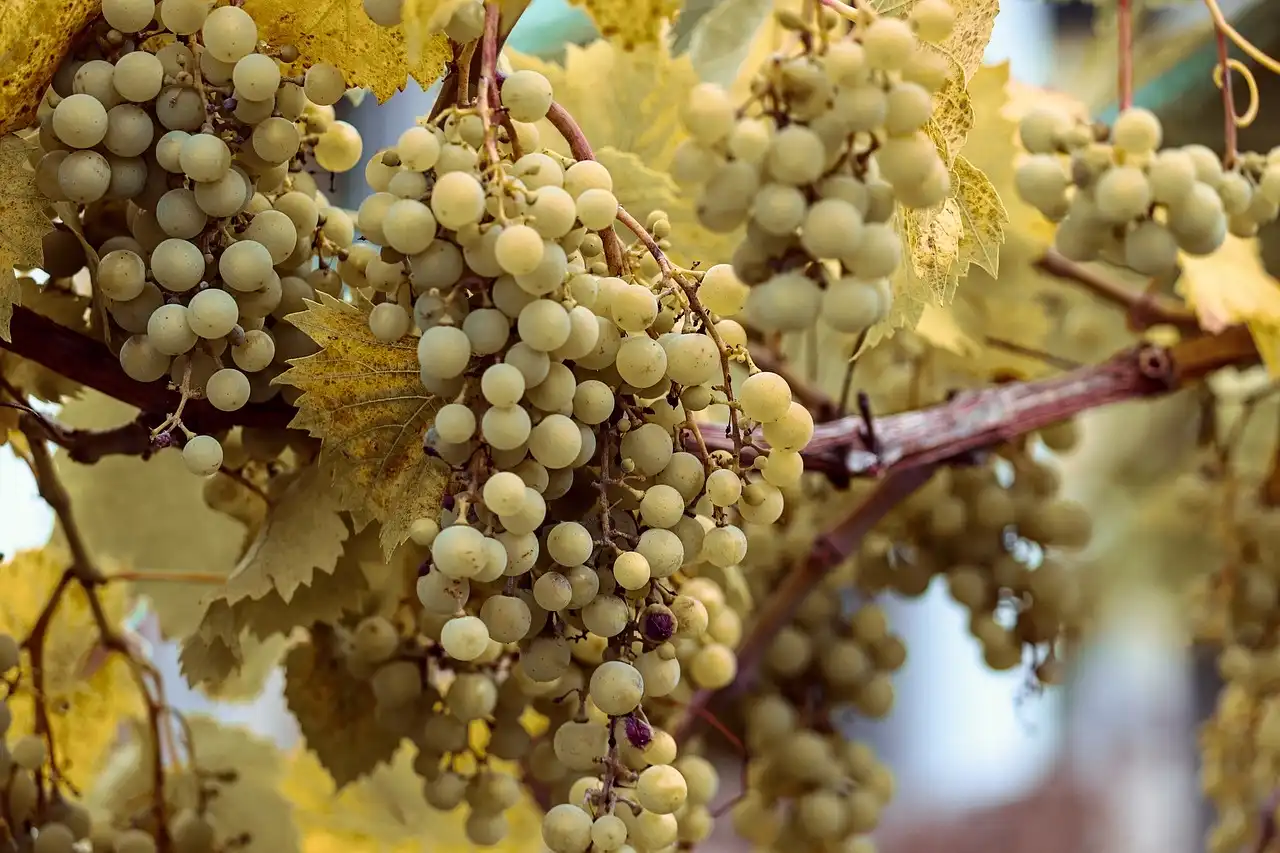
Over the past decade, Grapevine Trunk Diseases (GTDs) have emerged as a significant threat to viticulture, causing economic losses, increased management costs and lower wine quality. Traditional defense methods, like using arsenite, have now been banned due to their high toxicity.…
A study shows how a boost in agricultural yield comes from planting diverse crops rather than just one plant species: Soil pathogens harmful to plants have a harder time thriving.
Plants often develop communities with microorganisms in their roots, which influences plant health and development. Although the recruitment of these microbes is dictated by several factors, it is unclear whether the genetic variation in the host plants plays a role.…
Nature-based climate solutions, such as planting trees, won’t be anywhere near as big a part of the world’s solution to climate change as governments currently plan for, and relying on them is ‘risky’ according to a report.
Plants have evolved fiendishly complicated metabolic networks. For years, scientists focused on how plants make secondary metabolites, the compounds that plants produce to enhance their defense and survival mechanisms.
New research has made significant strides in understanding how coniferous forest ecosystems may respond to climatic changes. The study investigates the relationship between tree-ring indices (TRI) and the Normalized Difference Vegetation Index (NDVI) in the context of climate, topography, and…
Part of modern cancer therapy is the use of chemicals that kill the tumor. Unfortunately, these chemicals are often very complex, difficult to obtain and thus expensive. Researchers have unravelled the biosynthetic pathway of paclitaxel in Yew plants. This discovery…
Plants emit odours for a variety of reasons, such as to communicate with each other, to deter herbivores or to respond to changing environmental conditions. An interdisciplinary team of researchers carried out a study to investigate how biodiversity influences the…
Rice, vital for global food security, faces production challenges during the heading-flowering stage. Traditional phenotyping struggles for large-scale analysis, prompting a shift to advanced computer vision and deep learning. While methods like SIFT and neural networks enhance rice panicle analysis,…