Live imaging of microbes in soil would help scientists understand how soil microbial processes occur on the scale of micrometers, where microbial cells interact with minerals, organic matter, plant roots and other microorganisms. Because the soil environment is both heterogeneous…
A new study involving more than 100 scientists from across the globe and the largest forest database yet assembled estimates that there are about 73,000 tree species on Earth, including about 9,200 species yet to be discovered.
Five (5) high-yielding hybrid maize varieties developed by scientists have all been approved and recommended for release onto the market for cultivation and consumption by the National Varietal Release and Registration Committee (NVRRC) of Ghana.
First-of-its-kind analysis suggests declines in land suitability in most major producing countries. A new analysis predicts that, as climate change progresses, the most suitable regions for growing coffee arabica, cashews, and avocados will decline in some of the main countries…
Scientists have harnessed data analytics to look “under the hood” of the mechanisms that determine how genetics and changing environmental conditions interact during crucial developmental stages of plants.
Some might say you look a little green when you are sick. Leafy greens actually turn purple — although not obvious to the human eye, it can be seen through advanced hyperspectral imaging (different than purple varieties of some vegetables).…
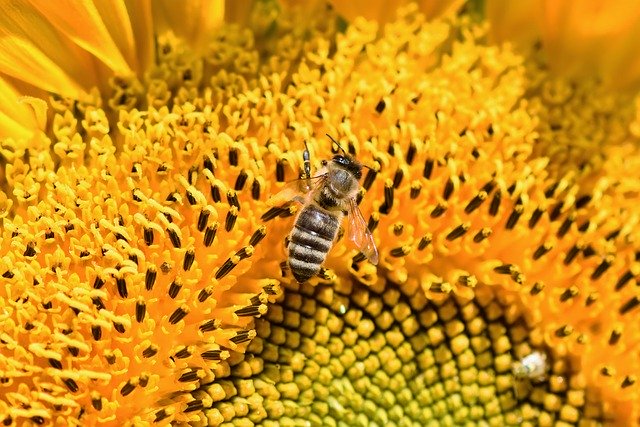
We rely on pollinators like honeybees to grow a wide array of the world's crops. But that same reliance may put plants at risk of disease, according to new research. In the first study to take a broad look at…