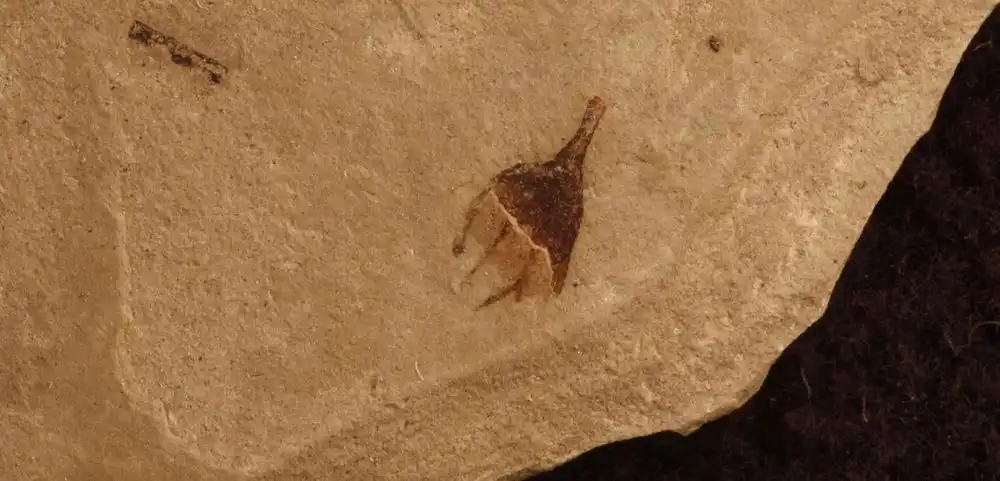
Botanists and paleontologists have identified a fossil chili pepper that may rewrite the geography and evolutionary timeline of the tomato plant family.
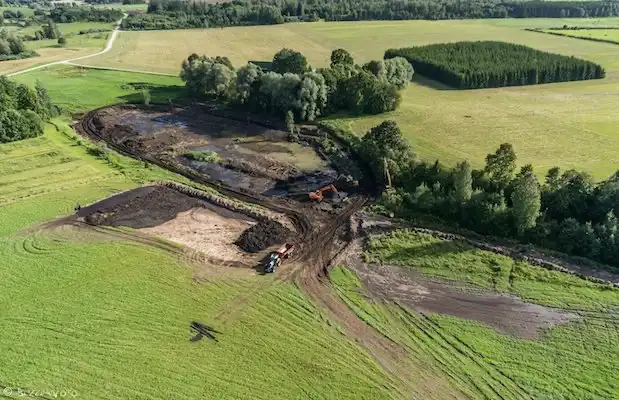
A four-year field experiment conducted on the shores of restored Lake Mustijärv in Viljandi, Estonia, has revealed that recycling phosphorus-rich lake sediments back to agriculture could have positive impacts on crop production.
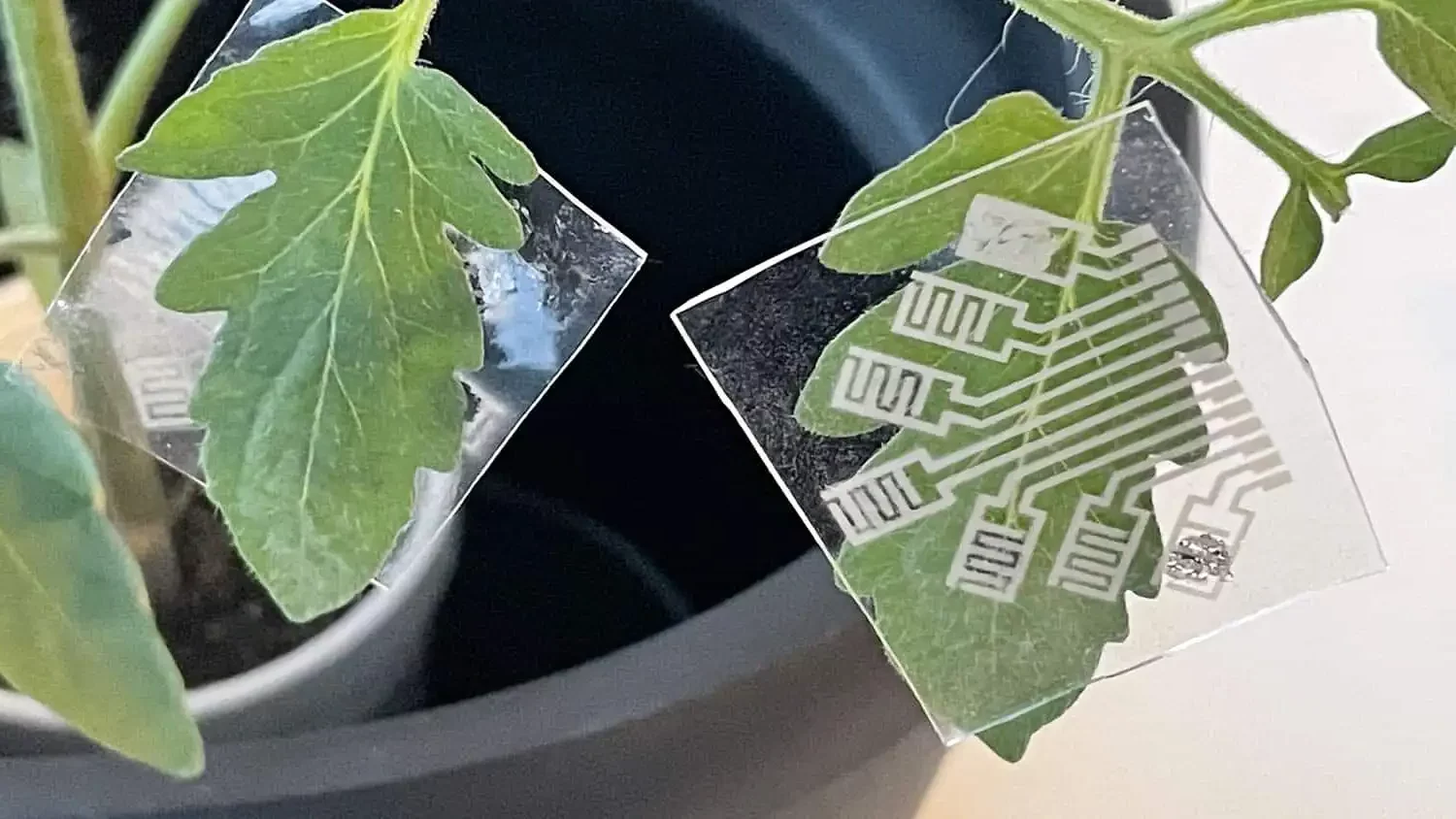
Researchers have developed an electronic patch that can be applied to the leaves of plants to monitor crops for different pathogens – such as viral and fungal infections – and stresses such as drought or salinity. In testing, the researchers…
A research group characterizes a new transcription factor that regulates, during the ripening of strawberries, the production of anthocyanins responsible for giving them their red hue.
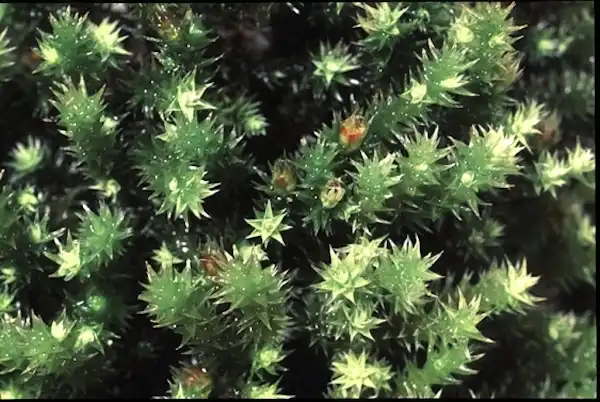
Now a global study has found mosses are not just good for the garden, but are just as vital for the health of the entire planet when they grow on topsoil. Not only do they lay the foundations for plants…
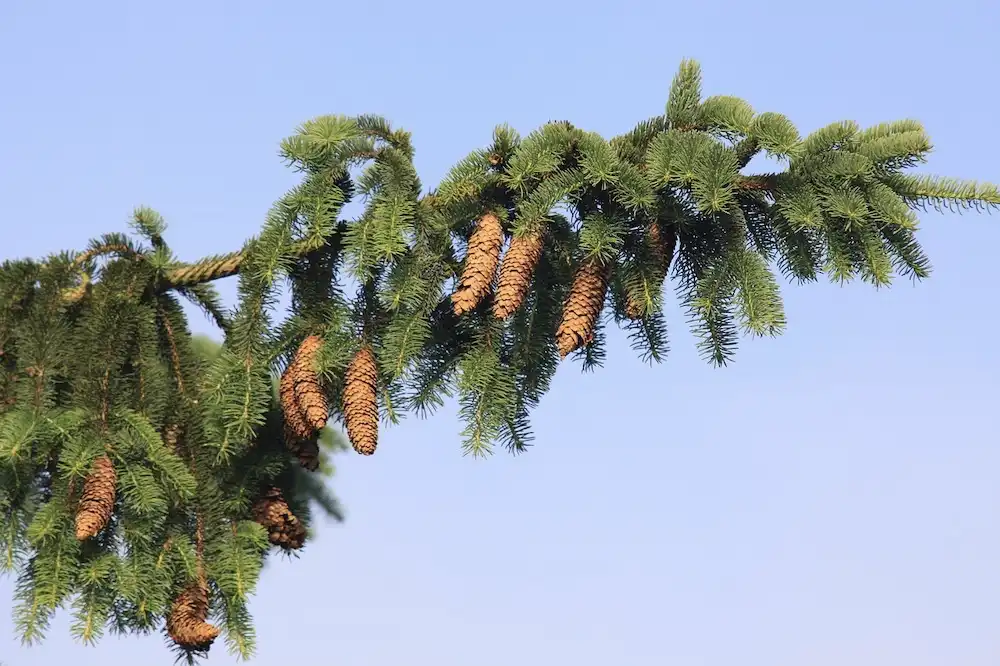
Reactive oxygen species (ROS) are toxic compounds generated by living systems through aerobic respiration and photosynthesis. Now, researchers have studied the mechanism to regulate the activity of ROS-producing enzymes and revealed that ROS is involved in the growth of spruce…
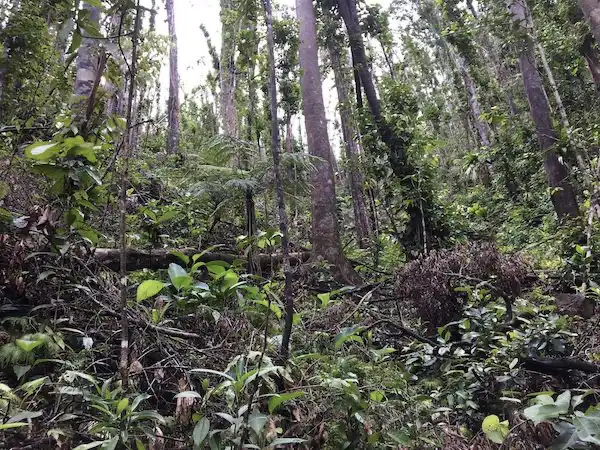
Researchers got into the forests on the island of Dominica after 9 months of the Category 5 Hurricane Maria and examined the trees closely. They discovered that while 89% of the trees sustained damage — 76% of which had major…
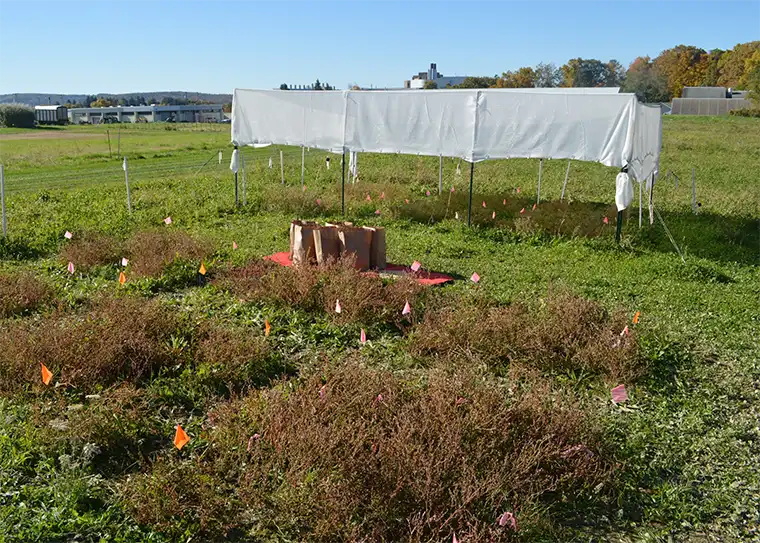
Did humans favor certain wild plants for domestication because they were more easily “tamed”? New research calls for a reappraisal of the process of plant domestication, based on almost a decade of observations and experiments. The behavior of erect knotweed,…
The conversion of energy from the sun into biochemical energy by plants and other photosynthetically competent organisms drives and sustains life on the earth. While the ability to perform photosynthesis provides autotrophic growth, it can be a double-edged sword.