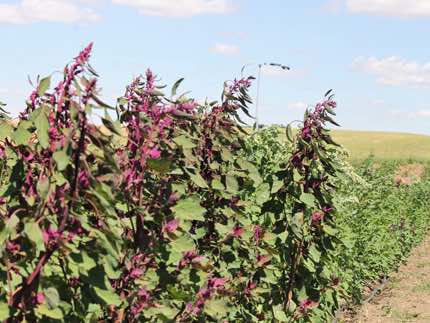
Quinoa is a healthy food many know and love. As its popularity grows, more farmers are interested in planting it. However, the plant doesn’t do well in high temperatures, so plant breeders are trying to help.
Read More


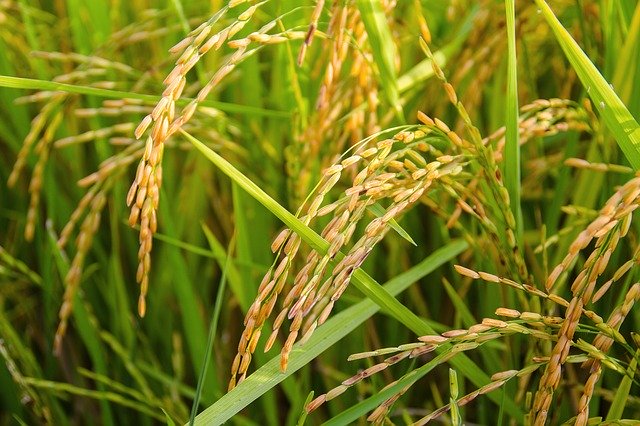
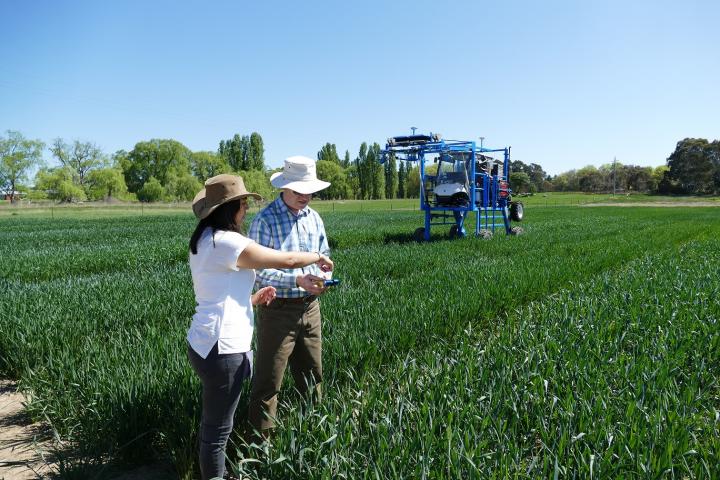
“In this study we surveyed diverse high-performing wheat varieties to see if their differences in photosynthetic performance were due to their genetic makeup or to the different environments where they were grown,” said lead researcher Dr Viridiana Silva-Perez from the ARC Centre of Excellence for Translational Photosynthesis (CoETP).
The scientists found that the best performing varieties were more than 30 percent better than the worst performing ones and up to 90 percent of the differences were due to their genes and not to the environment they grew in.
“We focused on traits related to photosynthesis and found that some traits behaved similarly in different environments. This is useful for breeders, because it is evidence of the huge potential that photosynthesis improvement could have on yield, a potential that hasn’t been exploited until now,” says Dr Silva-Perez.
During the study, published recently in the Journal of Experimental Botany, the scientists worked in Australia and Mexico, taking painstaking measurements in the field and inside glasshouses.
“The results that we obtained from our “Photosynthesis Olympics”, as we like to call them, are very exciting because we have demonstrated that there is scope to make plants more efficient, even for varieties working in the best conditions possible, such as with limited water and fertiliser restrictions. This means for example, that breeders have the potential to get more yield from a plant with the same amount of nitrogen applied,” says CoETP Director Professor Robert Furbank, one of the authors of this study.
Photosynthesis – the process by which plants convert sunlight, water and CO2 into organic matter – is a very complex process involving traits at different levels, from the molecular level, such as content of the main photosynthetic enzyme Rubisco, to the leaf, such as nitrogen content in the leaf and then to the whole canopy.
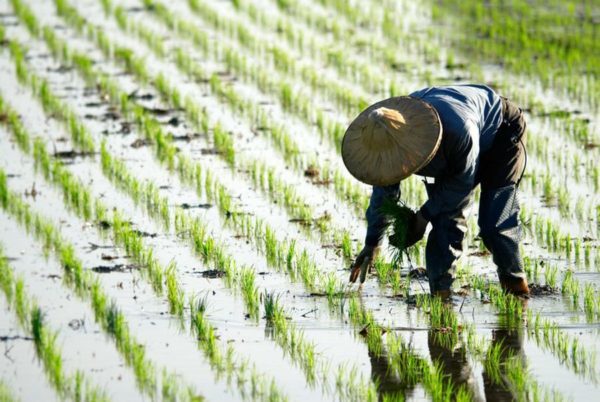
“This work is an important result for the CoETP, which aims to improve the process of photosynthesis to increase the production of major food crops such as wheat, rice and sorghum. There is a huge amount of collaboration, both institutional and interdisciplinary, that needs to take place to achieve this type of research. Without the invaluable cooperation between statisticians, plant breeders, molecular scientists and plant physiologists, we would have never achieved these results,” says co-author Tony Condon from CSIRO and the CoETP.
Read the paper: Journal of Experimental Botany
Article source: Arc Centre Of Excellence For Translational Photosynthesis
Author: Natalia Bateman
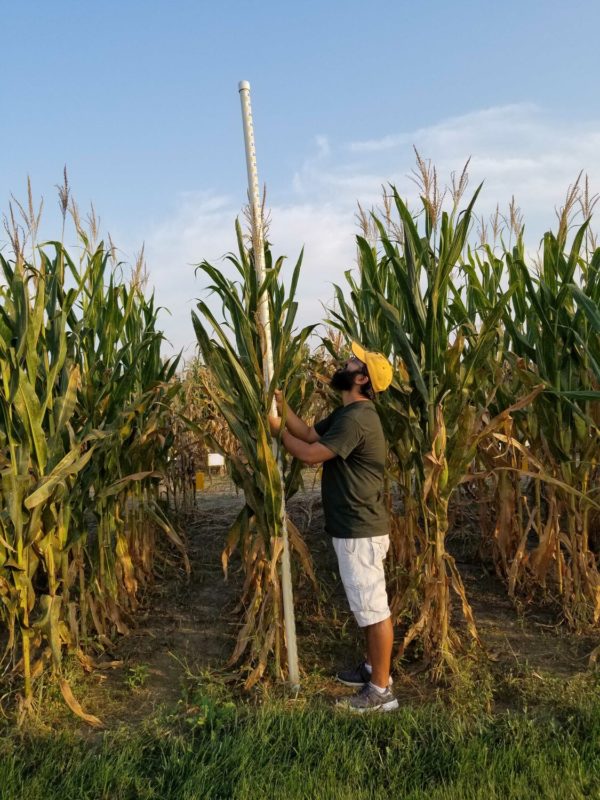
Image credit: Dr Viridiana Silva-Perez/COETP
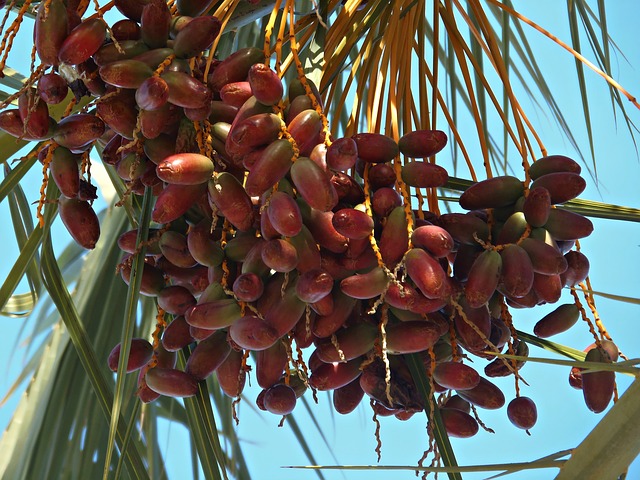
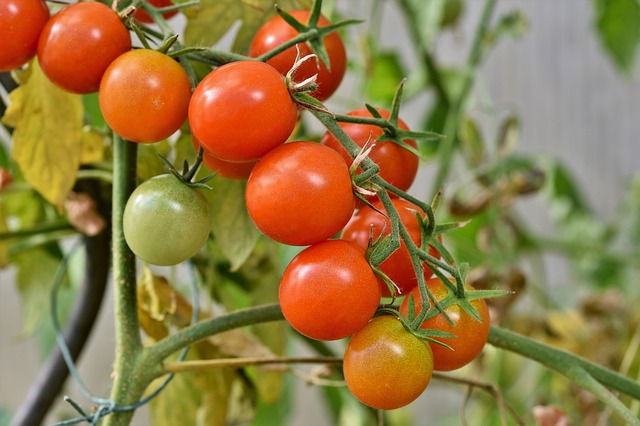
Use of saline water to irrigate crops would bolster food security for many arid countries; however, this has not been possible due to the detrimental effects of salt on plants. Now, researchers at KAUST, along with scientists in Egypt, have shown that saline irrigation of tomato is possible with the help of a beneficial desert root fungus. This represents a new key technology for countries lacking water resources.
“Salt in irrigation water is one of the most significant abiotic stresses in arid and semiarid farming,” says former KAUST postdoc Mohamed Abdelaziz, who worked on the project team alongside Heribert Hirt. “Improving plant salt tolerance and increasing the yield and quality of crops is vital, but we must achieve this in a sustainable, inexpensive way.”
The root fungus Piriformospora indica forms beneficial symbiotic relationships with many plant species, and previous research indicates it boosts plant growth under salt stress conditions in barley and rice. While initial studies suggest the fungus can improve growth in tomato plants under long-term saline irrigation, the mechanisms behind the process are unclear. Also, little is known about the fungal-plant interaction throughout the entire growing season.
“Plant salt tolerance is a complex trait influenced by many factors,” says Abdelaziz. “The salt-tolerance mechanism depends on the correct activation of salt tolerance genes, stresses on cell membranes and the buildup of toxic sodium ions. We monitored growth performance over four months in tomato plants colonized with P. indica and in an untreated control group, both grown commercial style in greenhouses. We examined genetic and enzymatic responses to salt stress in both groups.”
The main threat to plants under salt stress is the buildup of sodium ions, which affects plant metabolism, and leaf and fruit growth. For example, excessive sodium in shoots and roots disrupts levels of potassium, which is vital for multiple growth processes from germination to enzyme activation.
The team showed that colonization by P. indica increased the expression of a gene in leaves called LeNHX1, one of a family of genes responsible for removing sodium from cells. Furthermore, potassium levels in leaves, shoots and roots of the P. indica group were higher than in controls. P. indica also increased levels of antioxidant enzyme activity, offering further protection.
“Colonization with P. indica boosted tomato fruit yield by 22 percent under normal conditions and 65 percent under saline conditions,” says Abdelaziz. “Colonizing vegetables provides a simple, low-cost method suitable for all producers, from smallholders to large-scale farming.”
Read the paper: Scientia Horticulturae
Article source: KAUST
Image credit: Capri23auto / Pixabay