
New research from the Swedish University of Agricultural Sciences has found that a plant’s natural ability to store seeds in soil, a method for preserving seeds in unfavourable conditions, is not as useful as once thought.
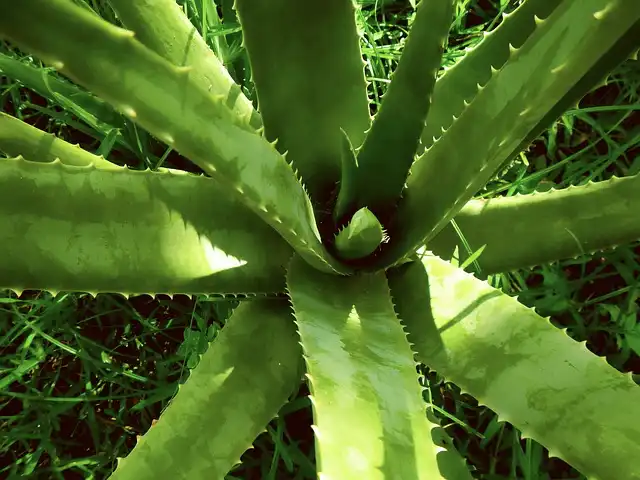
Aloe vera is a well-known plant species from the genus Aloe used throughout the globe in wide range of products from creams and soaps to drinks and over-the-counter products. The genus Aloe has been used in traditional medicine for centuries,…
Tree roots commonly associate with fungi to exchange nutrients and improve their adaptation to changes in their environment. However, the biological processes at work in this mutually beneficial relationship (namely ectomycorrhizae) have not yet been fully explored. Now, researcher have…
The tropics hold most of the planet’s biodiversity. In order to preserve this fragile and valuable asset, many individuals and communities need to get involved and be well informed. However, tropical ecology and conservation sciences are still often affected by…
Most people own houseplants and eagerly grow them on windowsills and shelves only to be disappointed when they wilt or die - new research has shown that the problem could be that we’re feeding them all wrong and we need…
Delving deeper into organ development requires long-term monitoring of organ growth. Researchers have designed a novel approach that they employed to characterise growing leaves. Over several weeks scientists photographed more than 1,000 leaves at varying developmental stages. By applying targeted…
Using commercial, high-resolution satellite images and artificial intelligence, an international team mapped almost 10 billion individual trees in Africa’s drylands to assess the amount of carbon stored outside of the continent’s dense tropical forests. The result is the first comprehensive…
How do plants defend themselves against pathogenic micro-organisms? This is a complex puzzle, of which a team of biologists has solved a new piece. They discovered that while the water pores (hydathodes) in leaves provide an entry point for bacteria,…
A gene discovered could help fortify the defenses of sorghum to anthracnose, a disease of the cereal grain crop that can inflict yield losses of up to 50 percent.