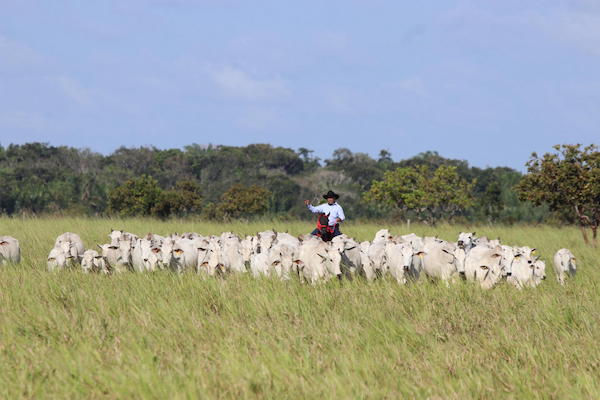
Scientists in Colombia show that well managed pasture can store more soil carbon while reducing nitrous oxide (N2O) emissions to offset the climate impact of livestock.
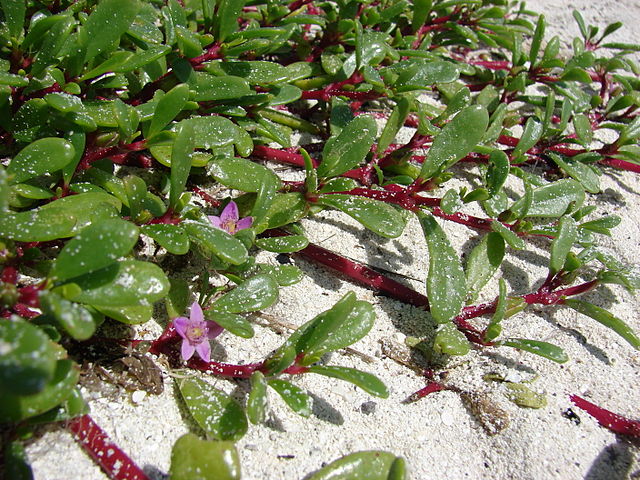
A herb that grows abundantly in coastal areas can be used to rid the soil around nuclear plants of caesium, a radioactive by-product of reactors, says a new study.
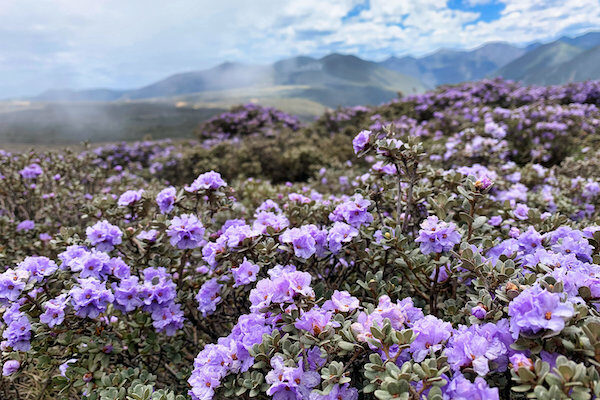
A big part of evolution is competition-- when there are limited resources to go around, plants and animals have to duke it out for nutrients, mates, and places to live. That means that the flower-covered meadows of China’s Hengduan mountains…
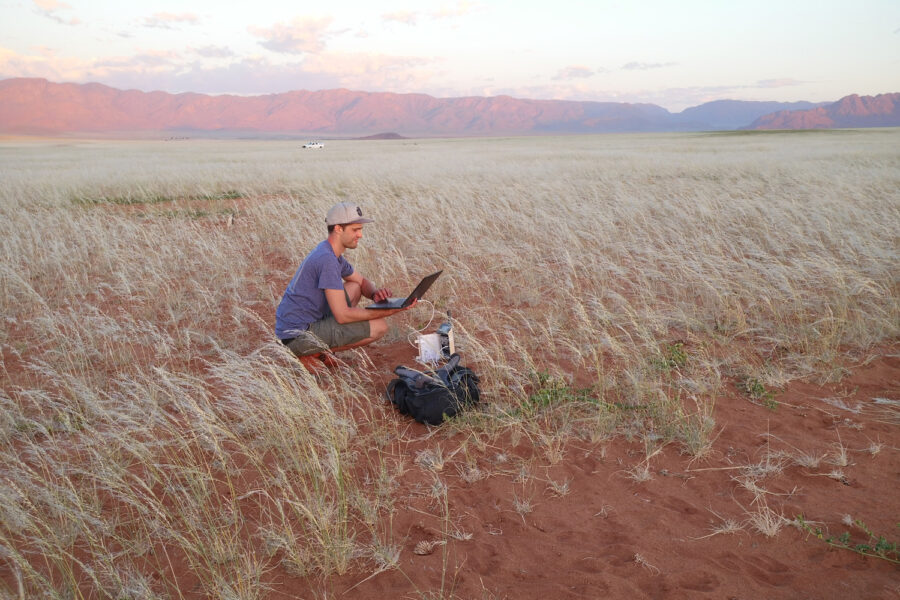
Scientists have puzzled over the origin of Namibia’s fairy circles for nearly half a century. It boiled down to two main theories: either termites were responsible, or plants were somehow self-organizing. Now, researchers benefitting from two exceptionally good rainfall seasons…
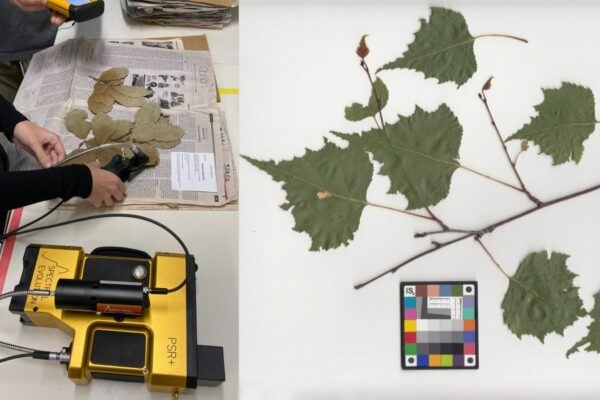
Until now, the only way to learn about these traits from herbarium collections has required destroying bits of the precious specimens. But now researchers have developed a fast, nondestructive way of estimating the functional traits of herbarium specimens. The research, offers…
Scientists have sequenced the oldest plant genome using 6,000-year-old seeds from a watermelon relative collected at an archaeological site in the Sahara Desert in Libya.
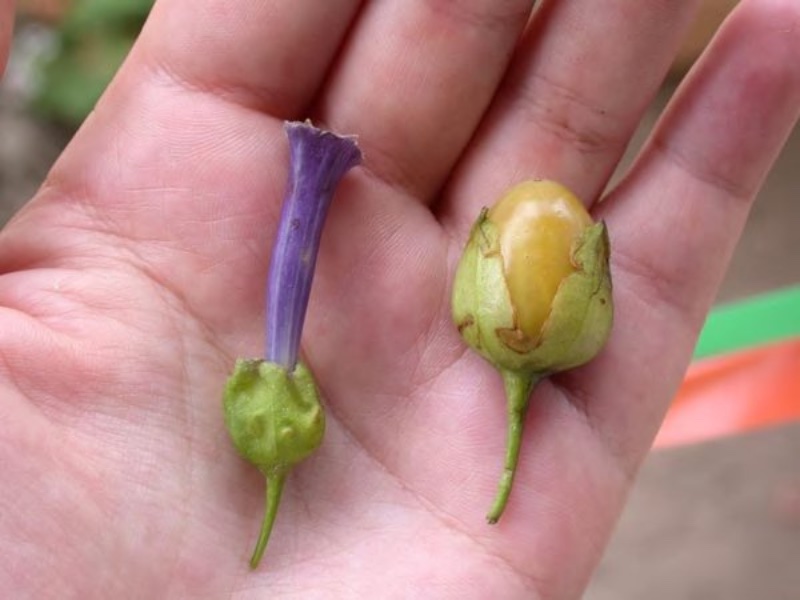
Hidden beneath the delicate, red skin and juicy flesh of a tomato is a wealth of nutrients and genetic makeup. With recent research on the first genome of a species in the tomatillo tribe (part of the tomato family), we…
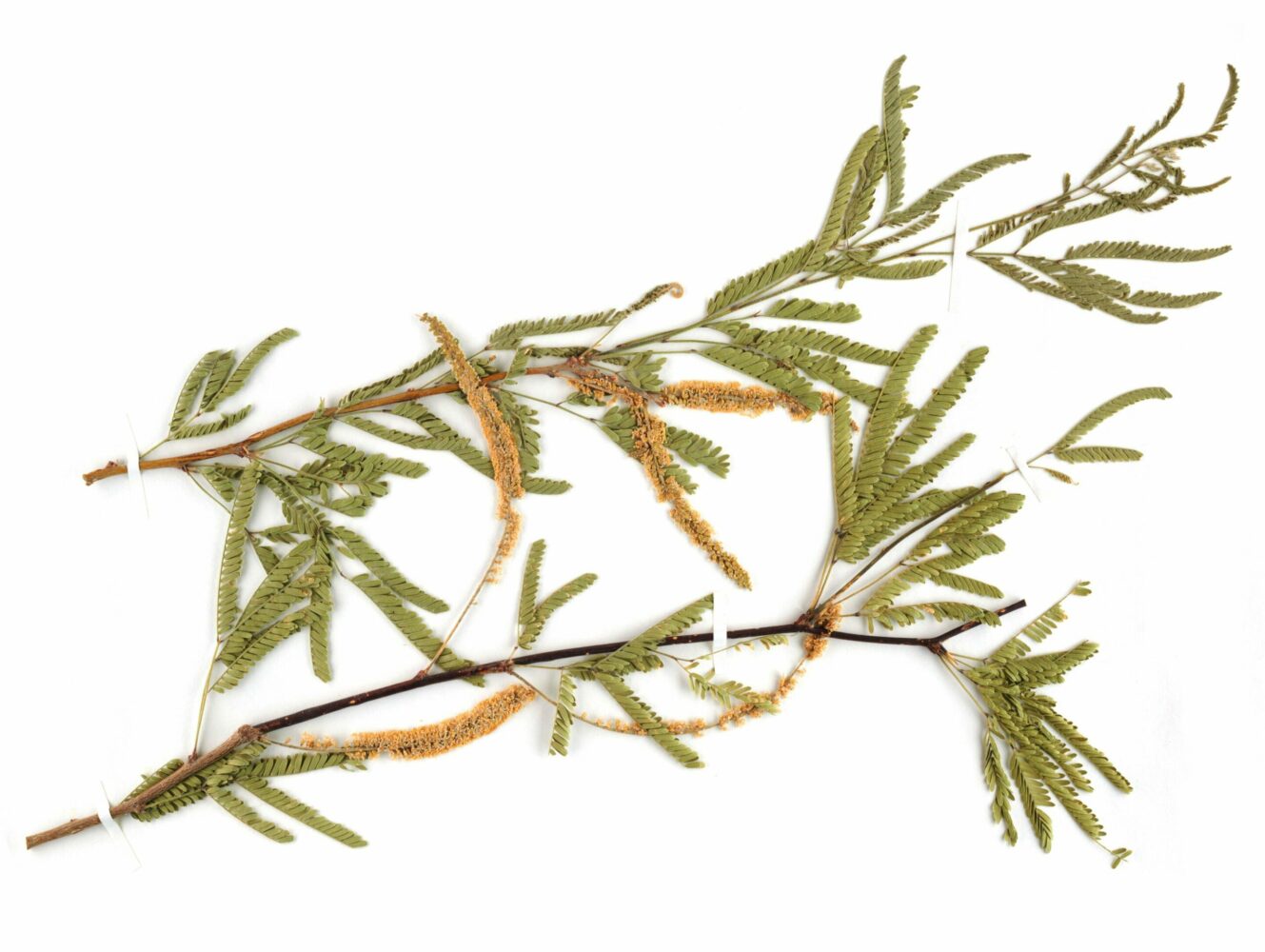
After a comprehensive study of plants across the United States, researchers have arrived at the unexpected conclusion that plants able to fix atmospheric nitrogen are most diverse in arid regions of the country. This finding runs counter to the prevailing assumption that…
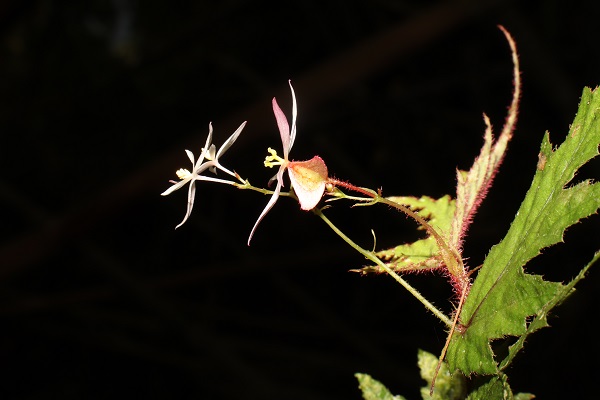
Mt. Timolan Protected Landscape is one of the declared protected areas of the Philippines and is characterized by a variety of habitats. The presence of various microhabitats is reflected in the diversity of flora and fauna found there. However, limited…
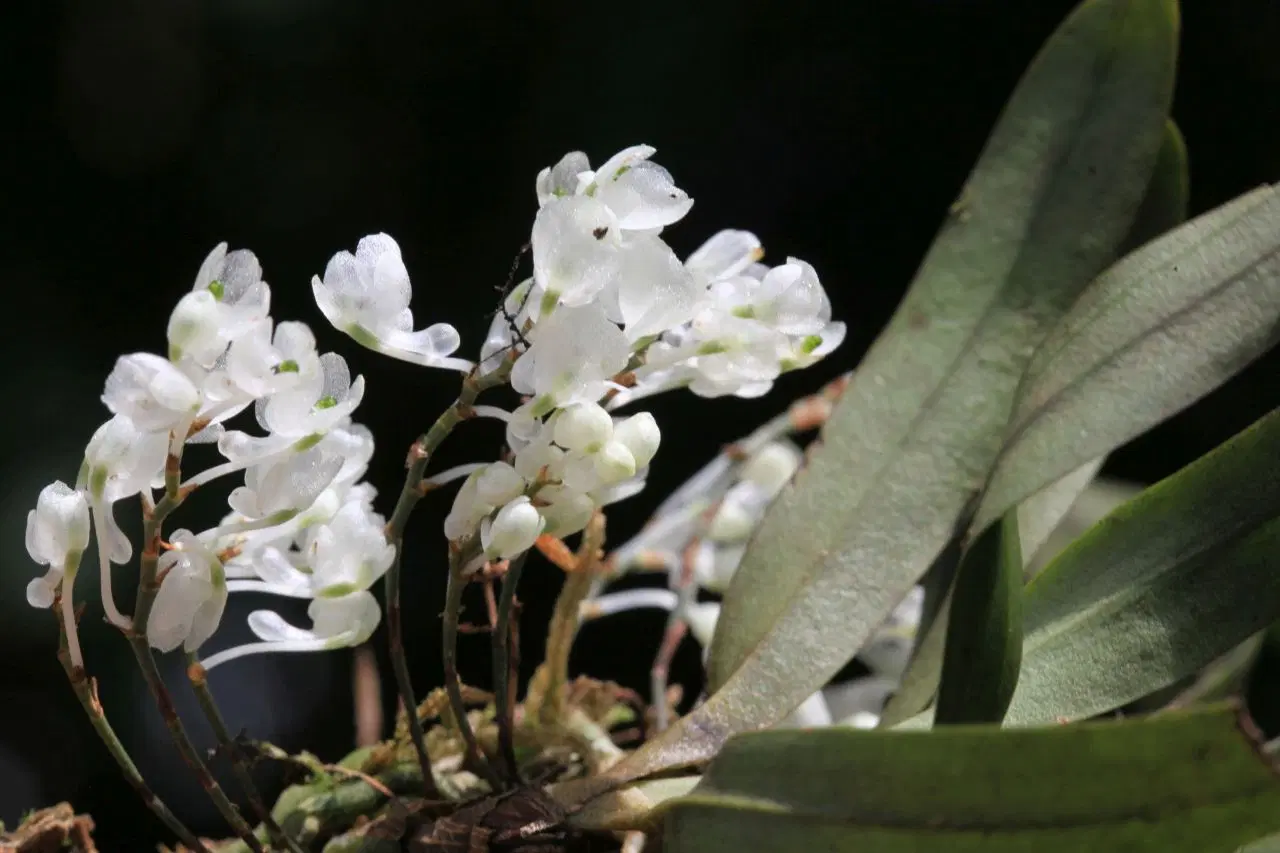
Biologist has discovered a previously unknown orchid species of the genus Rhipidoglossum in northeastern Tanzania. The new species was named Rhipidoglossum pareense, in keeping with its location in the South Pare Mountains.