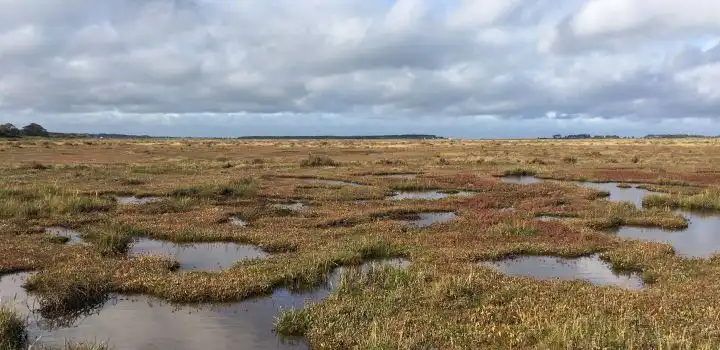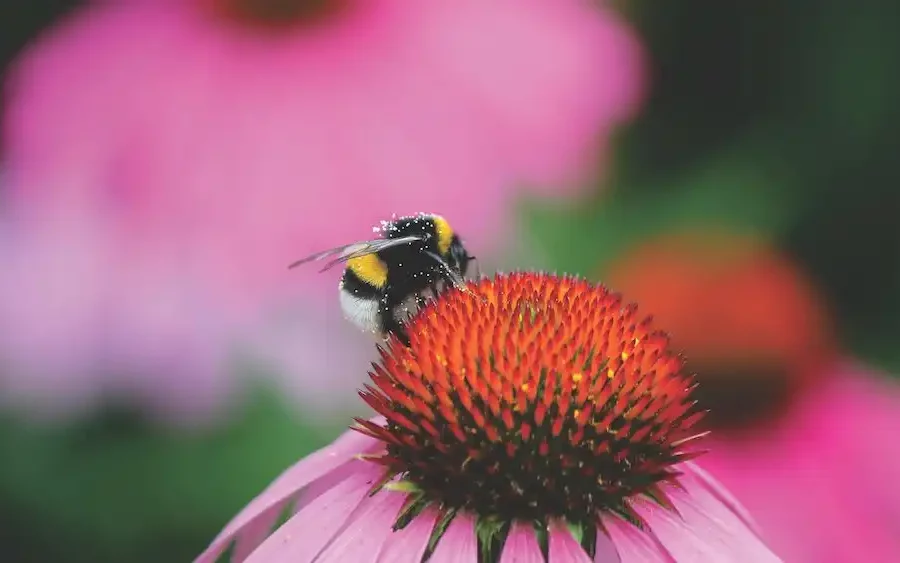



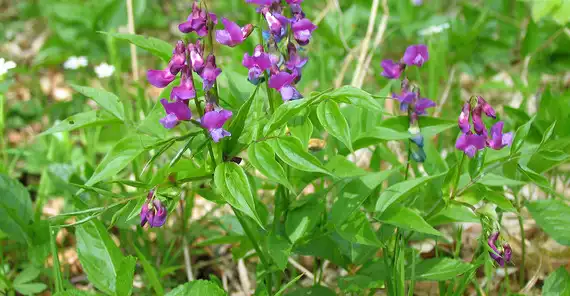
Image: Herbarium specimens and community science observations differ in terms of how they are collected and what biodiversity data they record. Credit: Nature Communications (2024). DOI: 10.1038/s41467-024-51899-1
Digitally cataloguing archived plant specimens can transform conservation efforts BotanyNewsPlant Science

Digitally cataloguing archived plant specimens can transform conservation efforts

Researchers emphasize the crucial role of herbarium collections in supporting biodiversity conservation. They advocate for increased funding to herbaria, which face financial threats, citing their effectiveness in generating high-quality, unbiased biodiversity data. While citizen science contributes, herbarium specimens provide a…
Isabel
10/10/2024
Image: Schematic illustration of hydration lubrication. The green mesh represents the potato protein-based protofilaments (PoPF) partially coated by orange-coloured filaments connected to each other representing the xanthan-based hydrogels (XGH) where the naked part of PoPF (i.e., uncoated by XGH) interacts with the tribo-contact surfaces shown as grey-coloured ball and the rectangular slab. The hydration lubrication mechanism is shown schematically by the transparent water-like spheres attached to the XGH. Credit: University of Leeds
Plant proteins could be radical alternative to oil-based super lubricants NewsPlant Science

Plant proteins could be radical alternative to oil-based super lubricants

Researchers have developed an eco-friendly super-lubricant from potato proteins, achieving near-zero friction by mimicking natural joint lubrication. This plant-based material offers a sustainable alternative to oil-based lubricants, with potential applications in biomedical fields, such as artificial joint fluids, and in…
Isabel
07/10/2024