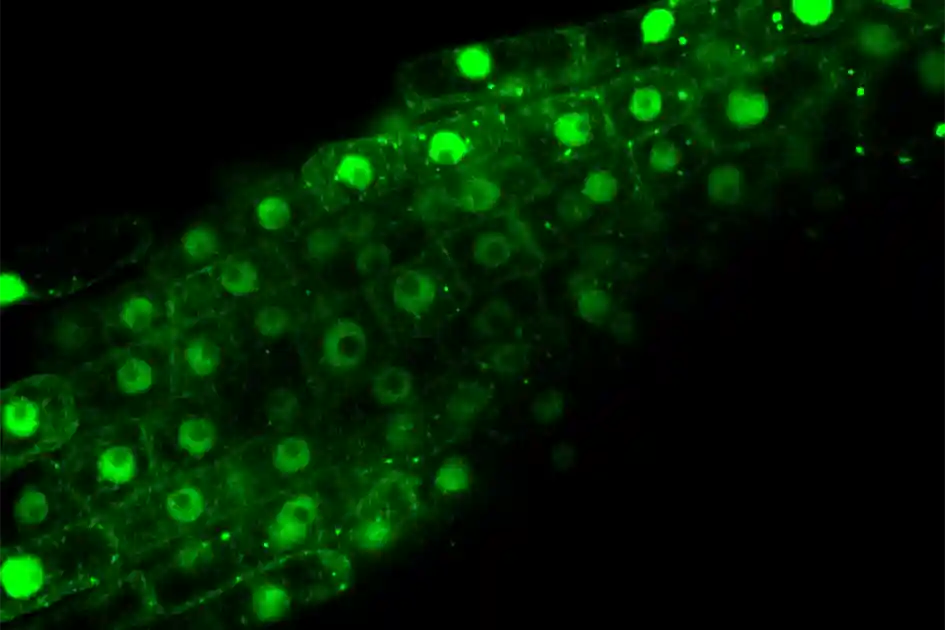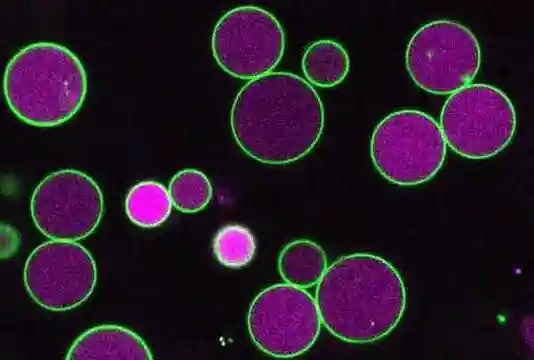

For most of their lives, plants get their energy from photosynthesis. But during the seed to seedling stage when they can’t absorb light just yet, they rely on other sources, like fatty acids. To process the fatty acids, plant cells,…
2026 Global Plant Council × Frontiers Research Topics Call is officially open for submissions. Through this partnership with Frontiers in Plant Science, the GPC will award four full Article Processing Charge (APC) waivers to plant scientists submitting manuscripts to one…
In parts of the Midwest and Great Plains, feathery yellow goldenrod and stands of big bluestem sway alongside Indiangrass and other prairie plants, stretching up to eight feet tall.
A new study connects plant and insect physiology, chemical ecology, molecular function, and evolutionary analysis to offer a new perspective on plant–insect coevolution.
To survive in areas where it is difficult to photosynthesize, some organisms adopt unique strategies. Researchers have found that a freshwater alga captures far-red light as an additional energy source by arranging ordinary chlorophyll in an extraordinary way.
A new study finds that Canada could remove at least five times its annual carbon emissions with strategic planting of more than six million hectares of trees along the northern edge of the boreal forest.
Over the past three decades, plant scientists have identified thousands of genes and quantitative trait loci (QTLs) linked to tolerance against drought, heat, salinity, and other environmental stresses. These discoveries have transformed our understanding of how plants sense and respond…