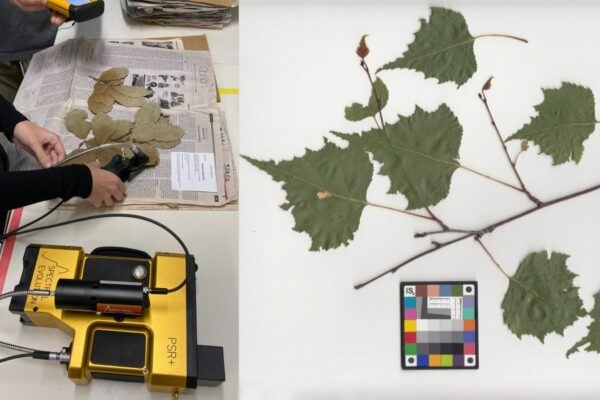
Scientists have trained AI to unlock data from millions of plant specimens kept in herbaria around the world, to study and combat the impacts of climate change on flora.
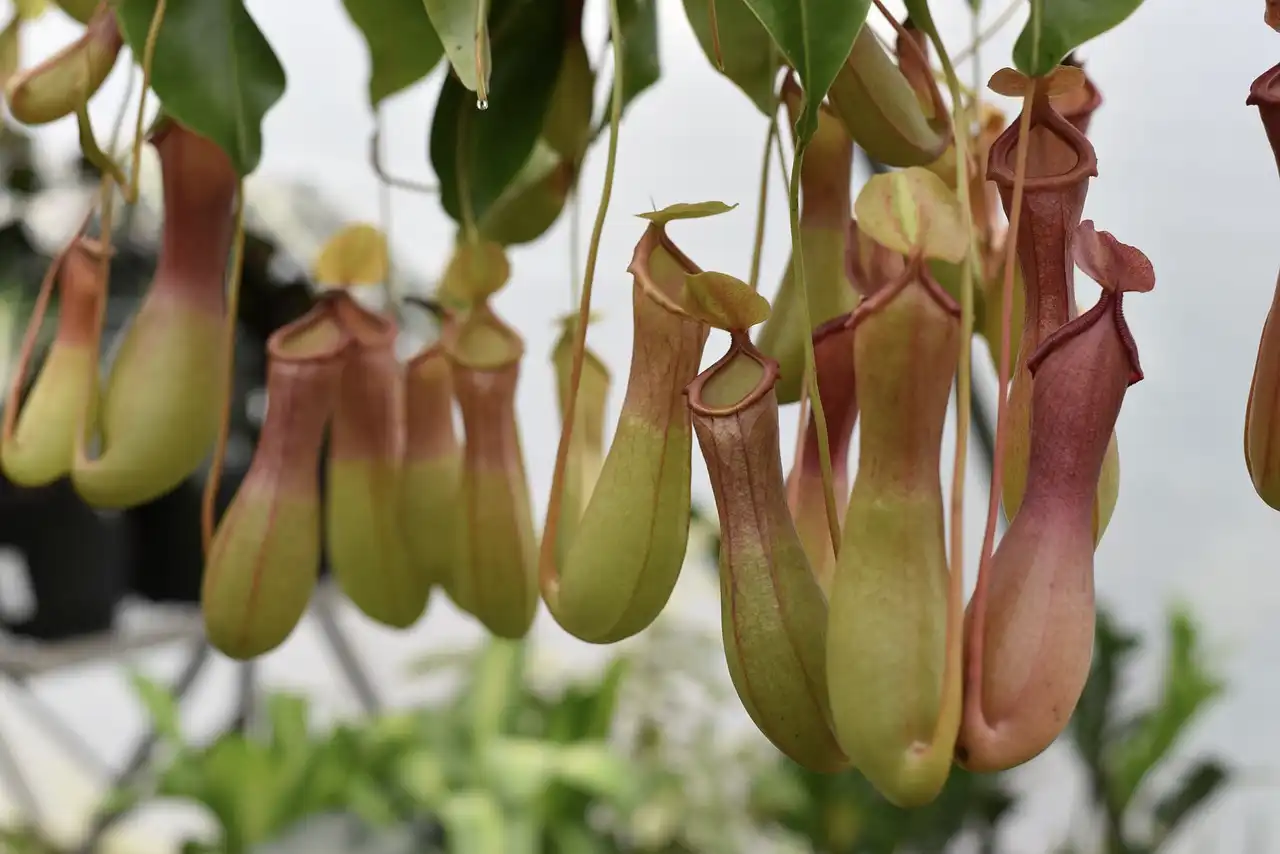
In a paper published botanists have shown that some Nepenthes (tropical pitcher plants) are capturing more nitrogen, and therefore nutrients, from mammal droppings as compared to those that capture insects.
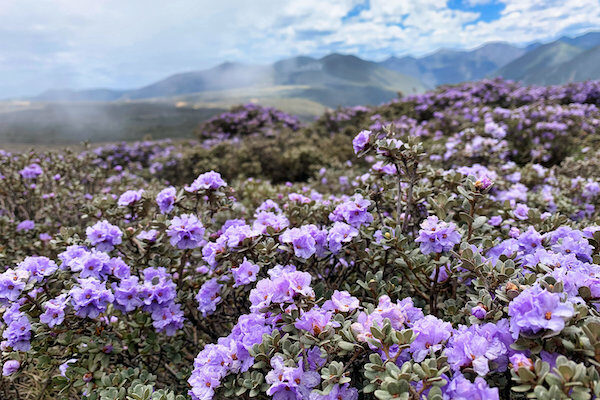
A big part of evolution is competition-- when there are limited resources to go around, plants and animals have to duke it out for nutrients, mates, and places to live. That means that the flower-covered meadows of China’s Hengduan mountains…
Until now, the only way to learn about these traits from herbarium collections has required destroying bits of the precious specimens. But now researchers have developed a fast, nondestructive way of estimating the functional traits of herbarium specimens. The research, offers…
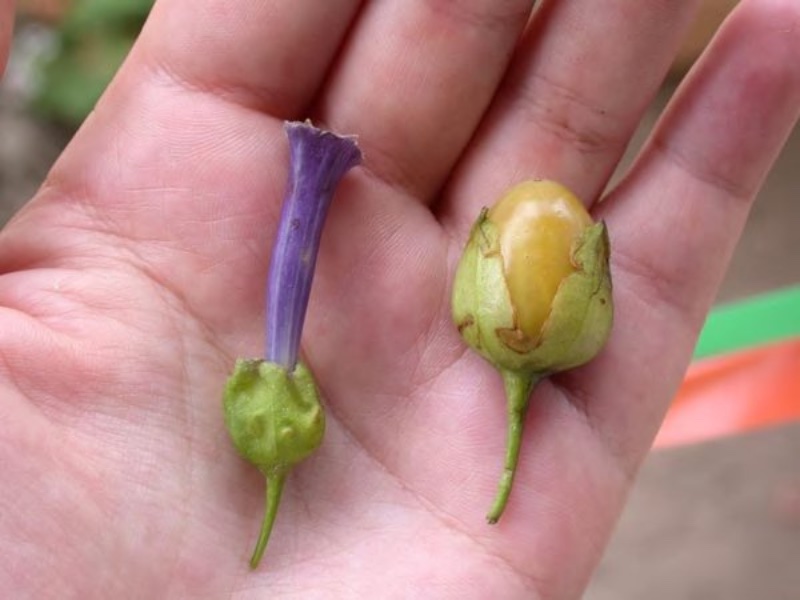
Hidden beneath the delicate, red skin and juicy flesh of a tomato is a wealth of nutrients and genetic makeup. With recent research on the first genome of a species in the tomatillo tribe (part of the tomato family), we…
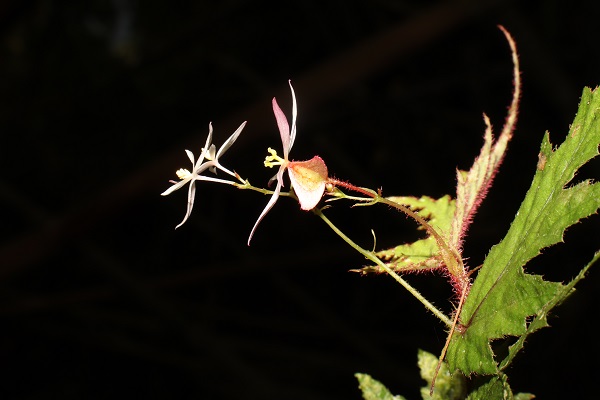
Mt. Timolan Protected Landscape is one of the declared protected areas of the Philippines and is characterized by a variety of habitats. The presence of various microhabitats is reflected in the diversity of flora and fauna found there. However, limited…
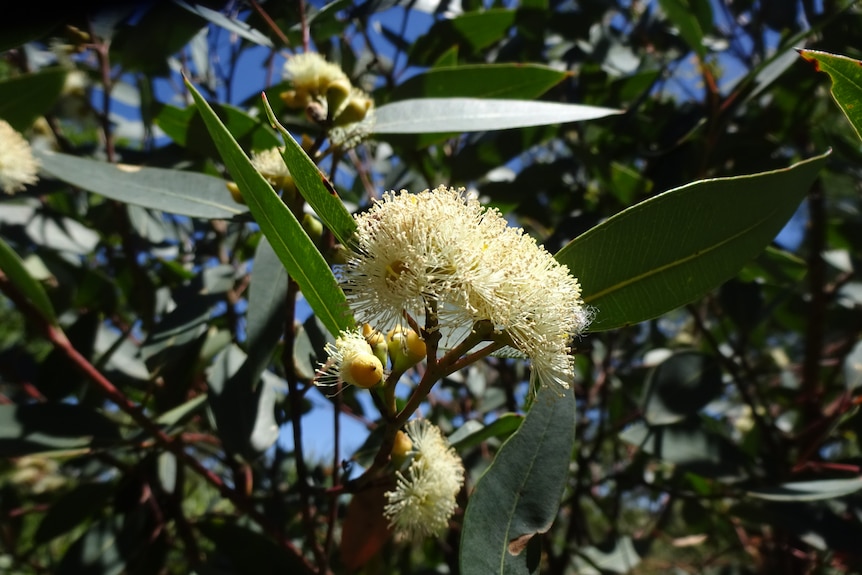
In a new paper researchers concluded the eucalypt, currently known as Eucalyptus sp. Cattai, should be formally described, after confusion over whether it was a distinctive new species or a peculiar population resulting from the hybridization of two already described…
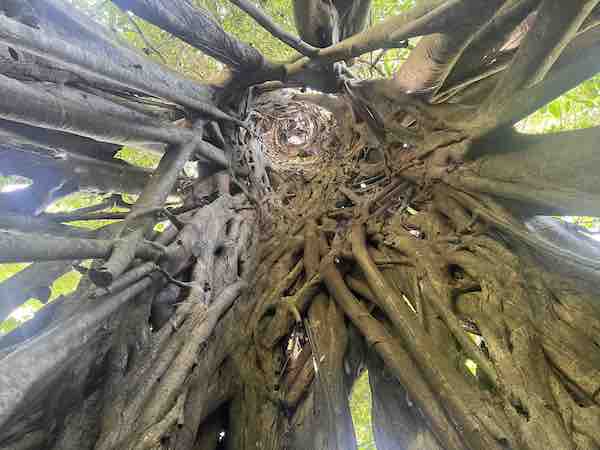
Host-killing by hemiepiphytes is an endemic phenomenon in the tropics. Many fig species—keystone plants in tropical forests—have evolved the hemiepiphytic ecotype. However, the benefits and adaptive strategies of their special life history remain poorly understood.
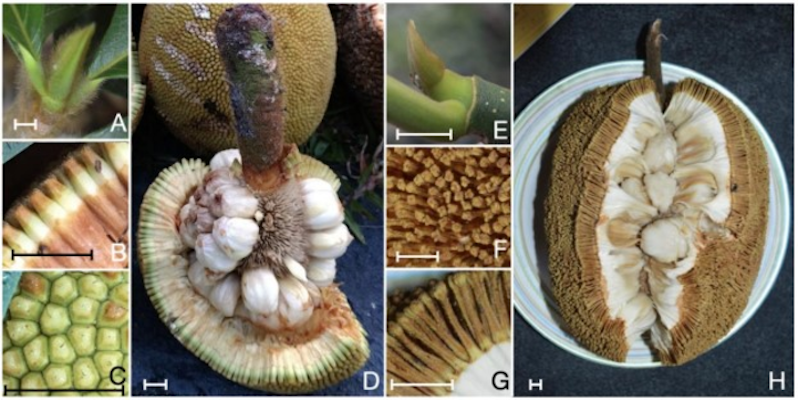
Over 200 years ago, a Spanish botanist described Artocarpus odoratissimus, a species of fruit-bearing tree found in Borneo and the Philippines. The Iban people, who are indigenous to Borneo, know the tree to have two different varieties, which they call lumok and pingan, distinguished…